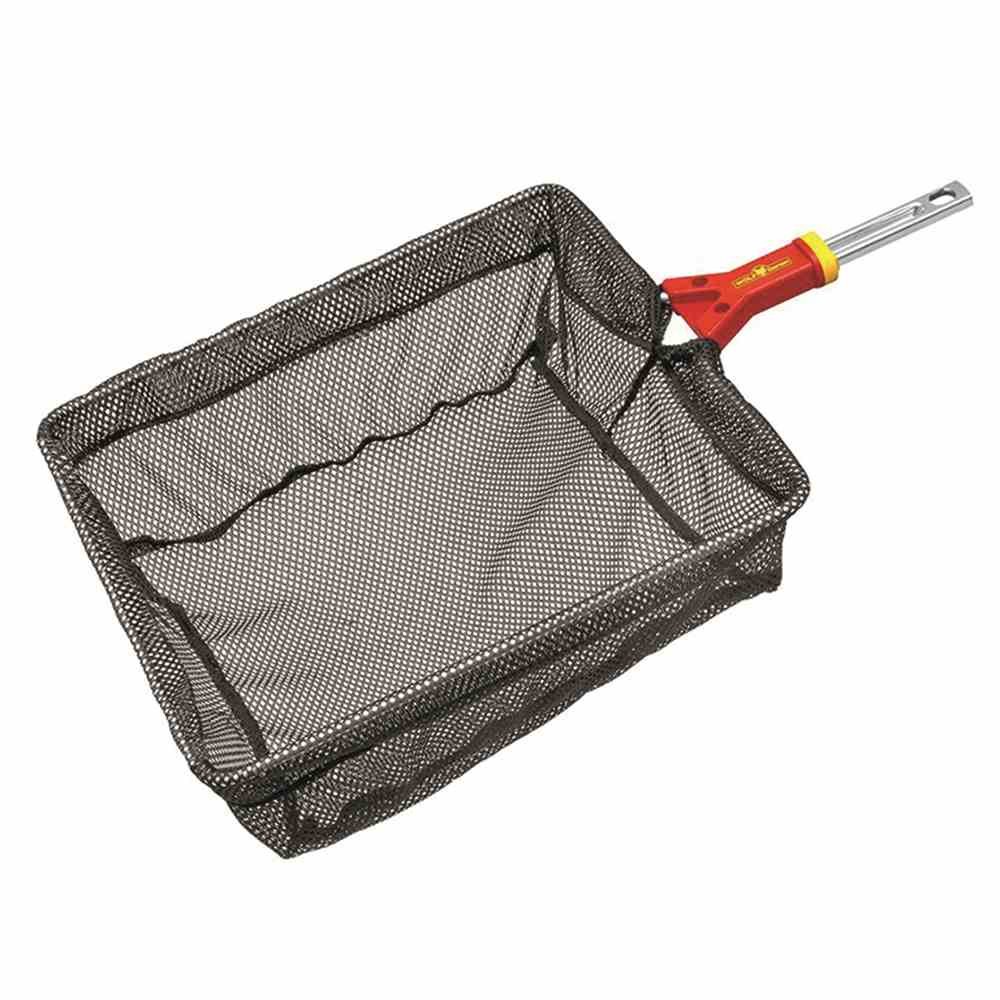
- Allows you to effortlessly clean leaves, weeds and debris from ponds
- The fine mesh is ideal for collecting small particles and the flexible frame helps to protect fish when moving through the water whilst also making it easier to collect debris from tricky areas
- When used with a telescopic handle, this tool has a range of up to 4 metres, ideal for larger ponds
- Designed to be used with your choice of lightweight multi-change handles
- Durable with Soft-Grip handle
Multi Star Catching Pond Net Without Handle
Original price was: ₹2,100.00.₹840.00Current price is: ₹840.00.
Description
Comprehensive Guide to Fish Catching Net: Efficient, Gentle, and Practical
A fish catching net is one of the most essential tools for anyone involved in aquarium keeping, pond maintenance, or recreational fishing. Whether you are a hobbyist managing a small home aquarium or a professional tending to larger ponds, a fish catching net plays a crucial role in ensuring safe and efficient fish handling. Particularly, the fish catching net without handle has gained popularity due to its compact size, easy maneuverability, and practical design, making fish catching safer and less stressful for aquatic life.
This comprehensive guide dives into everything you need to know about fish catching nets—from their types and benefits to maintenance tips and best practices for use. By the end, you’ll be well-equipped to select and use the perfect fish catching net for your needs.
What is a Fish Catching Net?
A fish catching net is a tool designed specifically to capture and transfer fish from one environment to another without causing harm. Unlike other nets intended for larger fishing or harvesting, fish catching nets are gentle and delicate, made with soft mesh materials to avoid damaging fish scales, fins, or slime coats. The net’s frame shapes the netting into a scoop or bag, allowing easy catching, holding, and releasing of fish.
Fish catching nets come in various sizes and designs. Some include long handles for reaching into tanks or ponds, while others come without handles, focusing on portability and control in tight spaces. The fish catching net without handle is ideal for situations requiring quick, precise fish handling.
Why Choose a Fish Catching Net Without Handle?
Choosing a fish catching net without handle offers several advantages:
-
Compact Size: Without the extra length of a handle, these nets are easy to store and carry.
-
Precise Control: Perfect for working in confined spaces such as crowded tanks or small ponds.
-
Lightweight: Easier to maneuver, reducing fatigue during repeated use.
-
Quick Use: Ideal for fast catch-and-release scenarios or when handling small fish.
-
Budget-Friendly: Usually less expensive compared to large handled nets.
Many aquarists and pond owners appreciate the simplicity and effectiveness of a fish catching net without handle for daily fish maintenance tasks.
Types of Fish Catching Nets
1. Fish Catching Nets With Handle
These nets feature long or short handles for extended reach. They are useful for larger tanks, ponds, or when needing to avoid disturbing the water too much. Handles can be telescopic for adjustable length.
2. Fish Catching Net Without Handle
As the name suggests, these nets do not have handles. They are handheld and allow maximum maneuverability. Best used in small tanks, breeding setups, or quick catching.
3. Fine Mesh Nets
Designed with very fine mesh to safely catch small or delicate fish species without injury. The fine mesh also reduces water resistance for easier movement.
4. Heavy-Duty Nets
Made for larger or more robust fish, these nets use stronger materials but still retain enough softness to prevent damage.
5. Collapsible Nets
Portable nets that fold or collapse for easy transport and storage. Great for hobbyists who travel or attend fish shows.
Key Features of a Good Fish Catching Net
When selecting a fish catching net, consider these features:
-
Mesh Material: Soft nylon or polyester mesh protects fish while allowing water flow.
-
Mesh Size: Small enough to prevent fish from escaping but large enough to reduce water resistance.
-
Frame Shape: Oval or round frames are common, designed to hold fish securely.
-
Durability: Materials that resist tearing and withstand frequent use.
-
Ease of Cleaning: Nets that dry quickly and resist mold or bacteria buildup.
How to Use a Fish Catching Net Effectively
Using a fish catching net correctly is vital to ensure fish safety and avoid stress:
-
Approach Slowly: Fish are sensitive to movement. Approach calmly to avoid startling them.
-
Position the Net: Place the net gently under or behind the fish to catch it.
-
Scoop Carefully: Lift the fish smoothly to avoid scraping against tank walls or pond debris.
-
Transfer Quickly: Move the fish to its destination with minimal time in the net.
-
Release Gently: Lower the fish into the new environment, allowing it to swim out naturally.
Advantages of Using a Fish Catching Net
-
Safe Fish Handling: Reduces physical injuries compared to hands or improvised tools.
-
Minimized Stress: Gentle netting lowers fish stress levels.
-
Easy Maintenance: Helps in routine cleaning, medical treatment, and tank transfers.
-
Prevents Water Contamination: Avoids direct hand contact, reducing contamination risks.
Common Uses of Fish Catching Nets
-
Aquarium Maintenance: Moving fish for cleaning or tank upgrades.
-
Pond Management: Removing debris or moving fish between ponds.
-
Breeding: Isolating fry or adult fish for breeding control.
-
Medical Treatment: Safely catching fish for treatment or quarantine.
-
Recreational Fishing: Catch-and-release fishing with minimal harm.
Maintaining Your Fish Catching Net
Proper care ensures longevity and hygienic use:
-
Rinse thoroughly after each use to remove slime and debris.
-
Avoid using harsh chemicals that degrade mesh.
-
Allow the net to dry completely to prevent mold growth.
-
Inspect for holes or tears and replace if damaged.
-
Store in a cool, dry place away from direct sunlight.
Troubleshooting Common Issues
-
Tears in the Net: Patch small holes or replace the net to avoid fish escapes.
-
Smelly Net: Clean regularly and dry properly.
-
Net Catches Debris: Rinse frequently during use.
FAQ
Q: Can I use a fish catching net in saltwater tanks?
A: Yes, ensure the materials are corrosion-resistant and rinse after use.
Q: What size net is best for small fish?
A: Choose fine mesh nets with smaller openings.
Q: How often should I replace my fish catching net?
A: Replace when showing wear, holes, or reduced effectiveness.
Q: Are fish catching nets without handles suitable for large ponds?
A: They are better for small-scale use; larger ponds typically require nets with handles.
Conclusion
A fish catching net is a simple yet indispensable tool for fish enthusiasts. The fish catching net without handle offers unmatched portability, precision, and ease of use, making it perfect for small aquariums, breeding tanks, or quick pond work. By choosing the right net and using it properly, you can ensure your fish remain healthy and stress-free during handling.
Invest in a quality fish catching net today and experience the convenience and care it brings to your aquatic environment.
Detailed Guide on Fish Catching Nets: Selection, Usage, and Maintenance
The Importance of Choosing the Right Fish Catching Net
Selecting the right fish catching net is crucial for maintaining the health and safety of your aquatic pets. A poorly chosen net can cause unnecessary stress or injury to fish, affecting their wellbeing and potentially leading to disease or death. The fish catching net without handle is often preferred for its compact design and ease of control, especially in delicate scenarios like moving fry, handling shy species, or working in crowded tanks.
When choosing your fish catching net, consider factors such as the size of the fish you intend to catch, the type of water environment (freshwater or saltwater), and the net’s material and mesh size. These aspects influence how safe and efficient your netting process will be.
Materials Used in Fish Catching Nets
Most high-quality fish catching nets are constructed from soft, durable mesh materials designed to minimize injury to fish. Common materials include:
-
Nylon Mesh: Lightweight and affordable, nylon meshes provide good durability and are widely used in aquarium nets.
-
Polyester Mesh: Offers increased strength and resistance to tearing while maintaining softness.
-
Rubber-Coated Mesh: Some nets feature a rubber coating to make the surface gentler on fish scales and easier to clean. Rubber coatings also prevent tangling of delicate fins.
-
Knotted vs. Knotless Mesh: Knotless mesh nets are preferred for sensitive species because they reduce the risk of fin damage.
Each material choice impacts how gentle the net will be on fish, so it’s important to balance durability with softness, especially if you work with fragile or rare species.
Mesh Size and Its Importance
Mesh size is a critical factor in selecting a fish catching net. The size of the mesh openings determines which fish can be safely caught without escaping or getting caught improperly:
-
Fine Mesh (1–3 mm): Ideal for small or delicate fish such as fry, tetras, or small shrimp. Fine mesh nets minimize water resistance, making it easier to scoop fish quickly.
-
Medium Mesh (4–6 mm): Suitable for general aquarium use, effective for most common fish species.
-
Large Mesh (7 mm+): Typically used for larger pond fish like koi or goldfish, where sturdiness is prioritized over delicacy.
Choosing the correct mesh size helps avoid injury and ensures the net performs efficiently.
Different Sizes of Fish Catching Nets
Fish catching nets come in various sizes to accommodate different tanks and fish sizes:
-
Mini Nets (3–5 inches): Best for nano tanks, small species, and breeding setups.
-
Medium Nets (6–8 inches): Standard size for most home aquariums and small ponds.
-
Large Nets (9 inches and above): Designed for bigger tanks and ponds, suitable for catching large fish.
Remember, the size of the net frame and depth of the netting should allow comfortable scooping without risking fish escaping.
How to Properly Use a Fish Catching Net Without Handle
Using a fish catching net without handle requires some practice but offers exceptional control once mastered. Here are some pro tips for efficient and safe netting:
-
Stay Calm: Fish can sense sudden movements. Approach the tank or pond quietly and slowly.
-
Submerge the Net Fully: Place the net underwater before attempting to catch a fish to avoid startling it.
-
Use the Water’s Flow: Sometimes it’s easier to guide fish into the net using water flow rather than chasing them.
-
Scoop, Don’t Chase: Instead of trying to chase a fast fish, anticipate their path and position your net accordingly.
-
Keep Fish Wet: Avoid lifting fish out of water for too long. Transfer them swiftly to their new environment.
-
Avoid Net Overcrowding: Catch fish one at a time when possible to prevent stress and injuries.
Caring for Your Fish Catching Net
Proper care of your fish catching net extends its lifespan and ensures safe use:
-
Rinse After Use: Especially important after use in saltwater or dirty ponds to prevent buildup and corrosion.
-
Avoid Chemicals: Do not use harsh detergents which can degrade mesh fibers and harm fish later.
-
Dry Thoroughly: Prevent mildew and bacteria growth by allowing the net to air dry completely before storing.
-
Inspect Regularly: Look for holes or damage that could let fish escape or cause injury.
-
Replace When Needed: Don’t hesitate to replace nets when signs of wear appear, especially if the mesh is torn or frayed.
Advantages of Fish Catching Nets Without Handle Over Traditional Nets
While traditional nets with handles are standard, the fish catching net without handle offers unique benefits:
-
Compact and Portable: Easy to carry and store, great for travel or quick use.
-
Enhanced Control: Being handheld, these nets allow for more precise and gentle handling.
-
Great for Small Tanks and Breeding: Perfect for tight spaces where a long handle is cumbersome.
-
Cost-Effective: Generally more affordable, making them accessible to beginners.
-
Ideal for Quick Fish Transfers: Great for use during water changes or health checks.
Common Mistakes When Using Fish Catching Nets
Avoid these pitfalls to keep your fish safe:
-
Using a Net That’s Too Large: Large mesh or frame can harm small fish or fry.
-
Chasing Fish Aggressively: This causes unnecessary stress and possible injury.
-
Not Cleaning the Net: Dirty nets can transfer diseases between tanks.
-
Leaving Fish in the Net Too Long: Fish need water flow and oxygen.
-
Ignoring Mesh Damage: Torn nets risk fish escapes or physical harm.
When to Use a Fish Catching Net
-
Tank Cleaning: Remove fish safely while cleaning or rearranging.
-
Breeding: Isolate fry or breeding pairs without harm.
-
Health Treatment: Catch sick fish for medication or quarantine.
-
Aquarium Relocation: Transfer fish when moving tanks or during water changes.
-
Pond Management: Remove debris or relocate fish in outdoor ponds.
Frequently Asked Questions (FAQs)
Q: Can I use a fish catching net without handle in large ponds?
A: It’s possible, but not ideal. Larger ponds often require nets with handles for reach.
Q: What mesh size is best for tropical fish?
A: Fine to medium mesh works well to avoid damaging delicate fins.
Q: How do I prevent fish from getting stuck in the net?
A: Use knotless or rubber-coated mesh and scoop gently.
Q: Is it safe to catch multiple fish at once?
A: It’s better to catch fish one at a time to reduce stress.
Conclusion
A fish catching net is indispensable for fish lovers, aquarists, and pond owners. The fish catching net without handle variant stands out for its portability, precision, and gentle handling. Selecting the right size and mesh, mastering the catching technique, and proper net maintenance are keys to ensuring your fish remain healthy and stress-free during handling.
With the right fish catching net in hand, you can confidently perform aquarium tasks, breeding, and pond management efficiently. Invest wisely and treat your fish with the care they deserve.
Choosing the Best Fish Catching Net for Your Needs
Selecting the best fish catching net depends on your specific needs and environment. Whether you maintain a home aquarium, a garden pond, or engage in recreational fishing, the right net can make all the difference.
Consider the Environment
-
Aquariums: For small tanks, a fish catching net without handle is often ideal. Its compact size allows for delicate handling of small or shy fish. Also, finer mesh nets protect fragile species.
-
Ponds: Larger outdoor ponds may require nets with handles for reach and leverage. However, a handleless net is useful for quick surface scooping or when working in tight spaces near pond edges.
-
Travel or Events: If you attend fish shows or move fish frequently, portability is key. The handleless nets fold easily and fit into travel kits.
Fish Size and Species
Your choice should reflect the size and fragility of your fish. Small tropical fish require fine mesh nets to prevent injury, while larger koi or goldfish need sturdy, bigger mesh nets. Sensitive species also benefit from knotless or rubber-coated mesh materials that reduce scale damage.
The Role of Fish Catching Nets in Fish Health and Welfare
Using the correct fish catching net is more than a convenience; it’s a crucial factor in fish welfare. Fish are delicate creatures that experience stress when handled improperly. Stress can lead to lowered immunity and increase the risk of diseases.
A soft, well-made net reduces physical damage during transfers. It allows gentle, precise catching that avoids unnecessary chase or rough handling. This care is especially important when isolating sick or stressed fish for treatment.
Using a fish catching net without handle can minimize disturbance, especially in confined environments like breeding tanks or hospital tanks. The compact design helps prevent splashing and sudden movements, both of which contribute to fish stress.
Innovations in Fish Catching Net Design
Over the years, manufacturers have developed new features in fish catching nets to enhance usability and fish safety:
-
Rubber-Coated Nets: These nets are easier to clean, do not tangle fins, and are gentle on fish.
-
Telescoping Handles: Some nets come with detachable or telescoping handles, allowing users to convert between handled and handleless use.
-
Collapsible Frames: Innovative frames fold or collapse, saving space and enhancing portability.
-
Ergonomic Grips: Designed for comfort during prolonged use, reducing hand fatigue.
While the classic fish catching net without handle remains popular for its simplicity and control, these innovations offer more options tailored to specific needs.
Tips for First-Time Fish Net Users
If you’re new to using a fish catching net, here are some helpful tips to get started:
-
Practice Patience: Fish can be quick and elusive. Take your time to avoid stress or injury.
-
Use Both Hands: For handleless nets, support the frame with both hands for better control.
-
Be Prepared: Have your destination tank or container ready before catching fish to minimize handling time.
-
Stay Calm: Your calm movements will help keep fish calm too.
-
Keep Nets Clean: Regularly clean your net to prevent disease transmission.


Reviews
There are no reviews yet.