Description
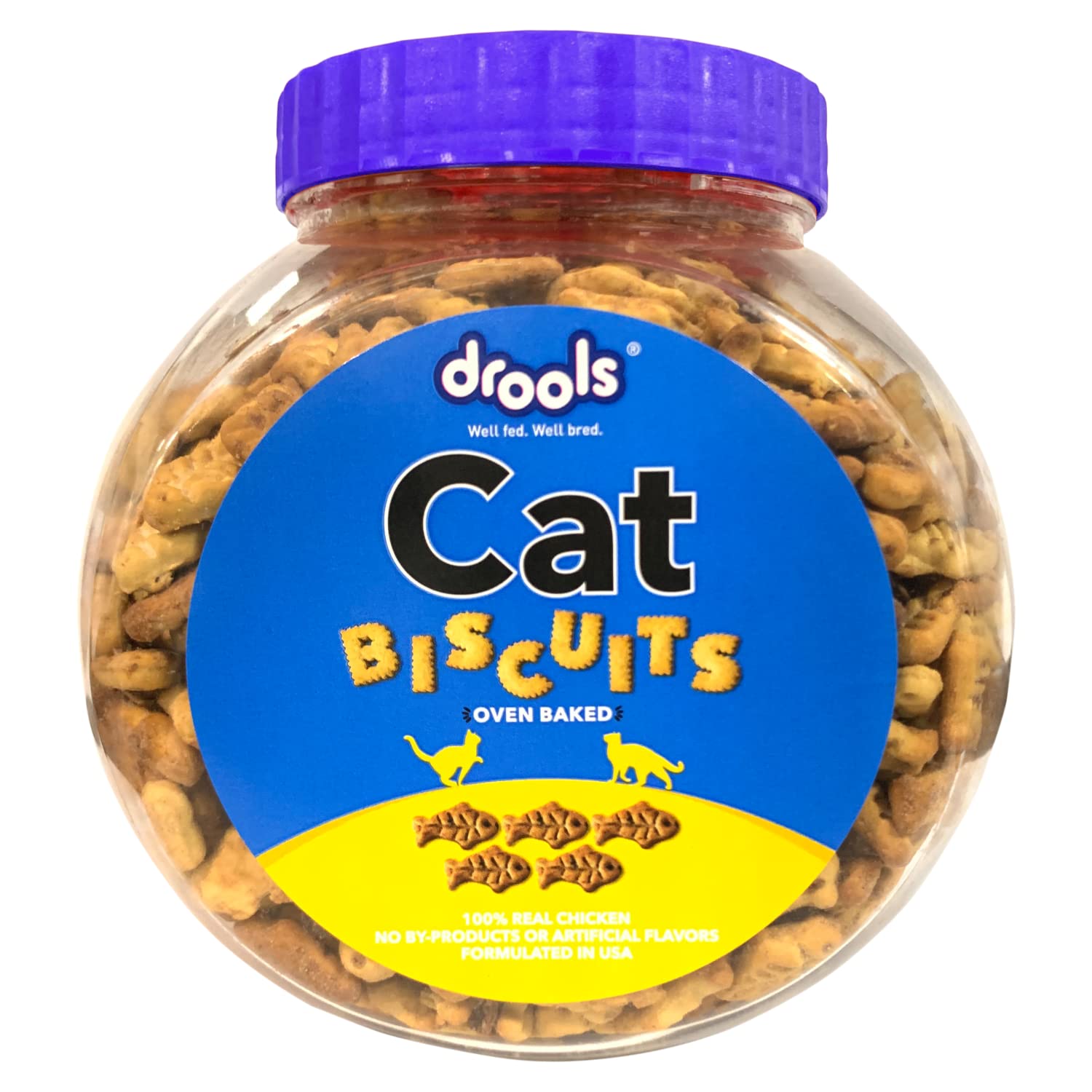
Drools Chewy Cat Food — All About Taste, Nutrition & Feline Well‑Being
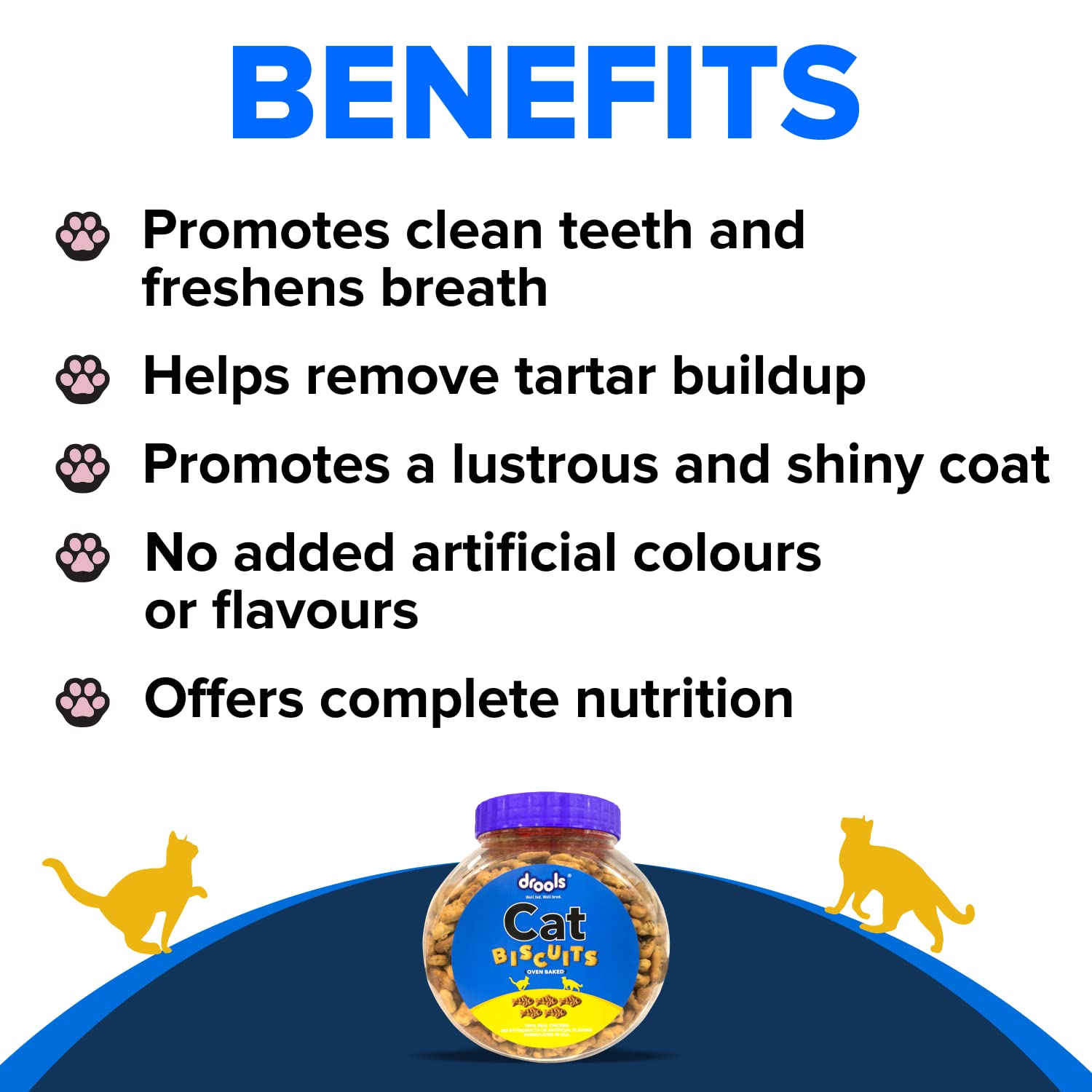
Cats are particular creatures. They demand flavor, texture, and nutrition. When it comes to feeding your cat, chewy cat food from Drools delivers exactly that — a satisfying, soft, nutrient‑rich option your cat will love. Whether for kittens, adults, or seniors, chewy cat food provides benefits that dry kibble alone cannot match.
What Makes Drools Chewy Cat Food Special
-
Soft, Chewy Texture
The standout feature of Drools chewy cat food is the texture. Unlike hard kibble, the chewiness is gentle on teeth and gums. Cats enjoy the sensation; it encourages them to chew more slowly, aiding digestion.
-
High Palatability
Taste matters. With real meat, rich broths or sauces, and flavorful ingredients, Drools chewy cat food offers an appealing flavor profile that many cats find irresistible. Even picky eaters tend to respond well.
-
Balanced Nutrition
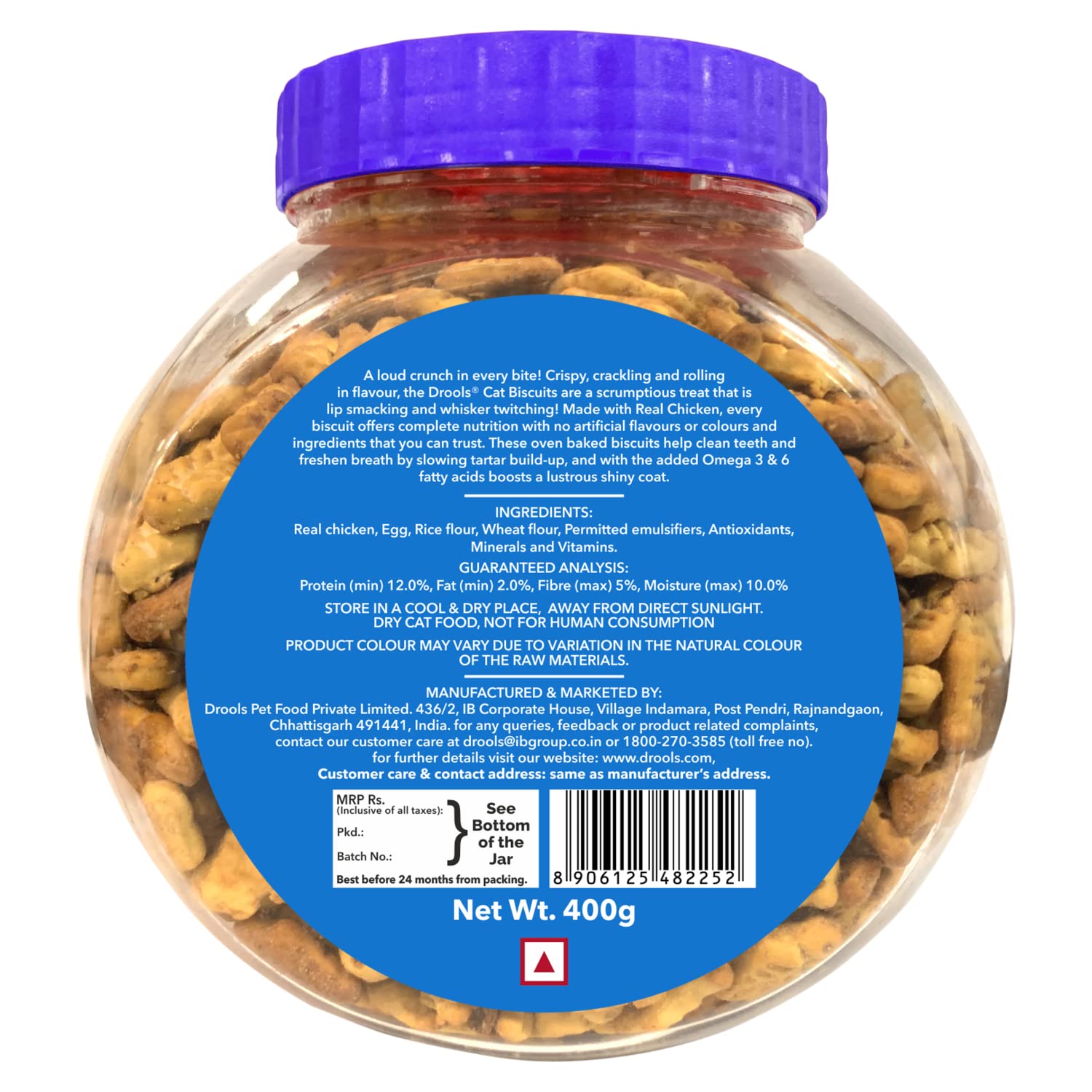
Drools formulates its chewy cat food to include essential proteins, fats (including healthy fatty acids like Omega‑3 and Omega‑6), and vital minerals & vitamins. This helps maintain coat, skin, immune system, and overall health.
-
Variety of Flavors & Forms
From chicken to fish, gravy or chunks, Drools chewy cat food comes in multiple variants so cats don’t get bored. Flavor rotation keeps feeding interesting and ensures broader nutrient exposure.
-
Suitability for All Life Stages
Whether kitten, adult, or senior, chewy cat food is useful. For younger cats who need gentle food, Drools’ soft textures are helpful; for older cats with dental sensitivity, chewy forms are easier to eat.
Ingredients to Look for in Good Chewy Cat Food
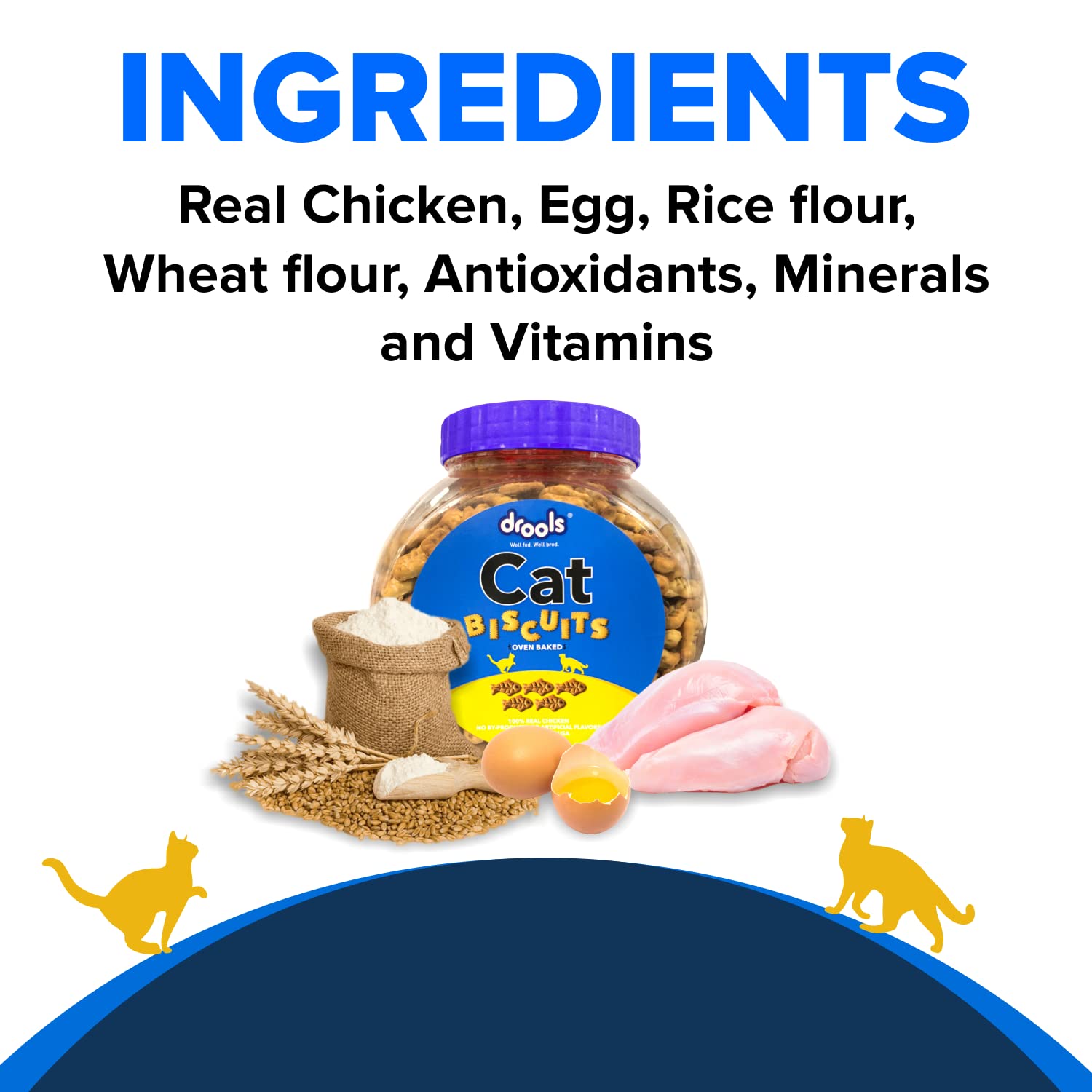
When selecting chewy cat food, ideal ingredients include:
-
Real meat as first ingredient (chicken, fish, lamb)
-
Quality animal by‑products only if well specified
-
Healthy fats (fish oil, flaxseed)
-
Natural preservatives (vitamin E, mixed tocopherols)
-
No artificial colors or flavors
-
Digestible carbohydrates (rice, oats) in moderate amounts
Benefits of Feeding Your Cat Chewy Cat Food
Enhanced Hydration
Many chewy cat food products include gravy, jelly, or moisture content far higher than dry kibble. This helps cats who are poor drinkers stay more hydrated, supporting kidney health.
Dental and Oral Health Support
While chewy food is softer than kibble, the act of chewing helps stimulate saliva, which helps clean the mouth. Also, chew pieces tend to cling a little longer, offering a gentle cleaning effect compared to very mushy wet food.
Appetite Stimulation
Cats who are ill, recovering from surgery, or simply fussy often respond better to chewy cat food because the texture and moistness stimulate their appetite more than dry food.
Improved Digestion
Soft texture, moisture content, and real meat tend to be easier to digest. Chewy cat food often reduces risks of constipation compared to dry food alone.
Joint & Mobility Support (Indirect)
Better nutrition, healthy fats, this supports overall body condition, which in turn eases stress on joints. For aging cats, feeding proper chewy cat food helps maintain lean muscle mass and weight management.
How to Choose the Right Drools Chewy Cat Food Variant
-
Check Life Stage – kitten, adult, senior; check for formulas specific for age.
-
Flavor Preference – some cats prefer chicken; others fish or mixed.
-
Texture & Moisture Level – choose between soft chunks, gravy, jelly, or pâté styles.
-
Special Needs – sensitivity, allergies; there are variants with limited protein sources or grain‑free options.
-
Nutrition Guarantees – ensure protein %, fat %, fiber %, moisture % are clearly stated.
Transitioning Your Cat to Chewy Cat Food
If your cat is used to kibble or dry food, transitioning gradually helps avoid digestive upset:
-
Start by mixing a small portion of chewy cat food with existing food.
-
Over 5‑7 days, increase the proportion of chewy food while reducing dry food.
-
Observe your cat’s reaction—stool quality, appetite, energy level.
-
Once fully transitioned, feed according to guidelines (see below).
Feeding Guidelines & Portion Sizes
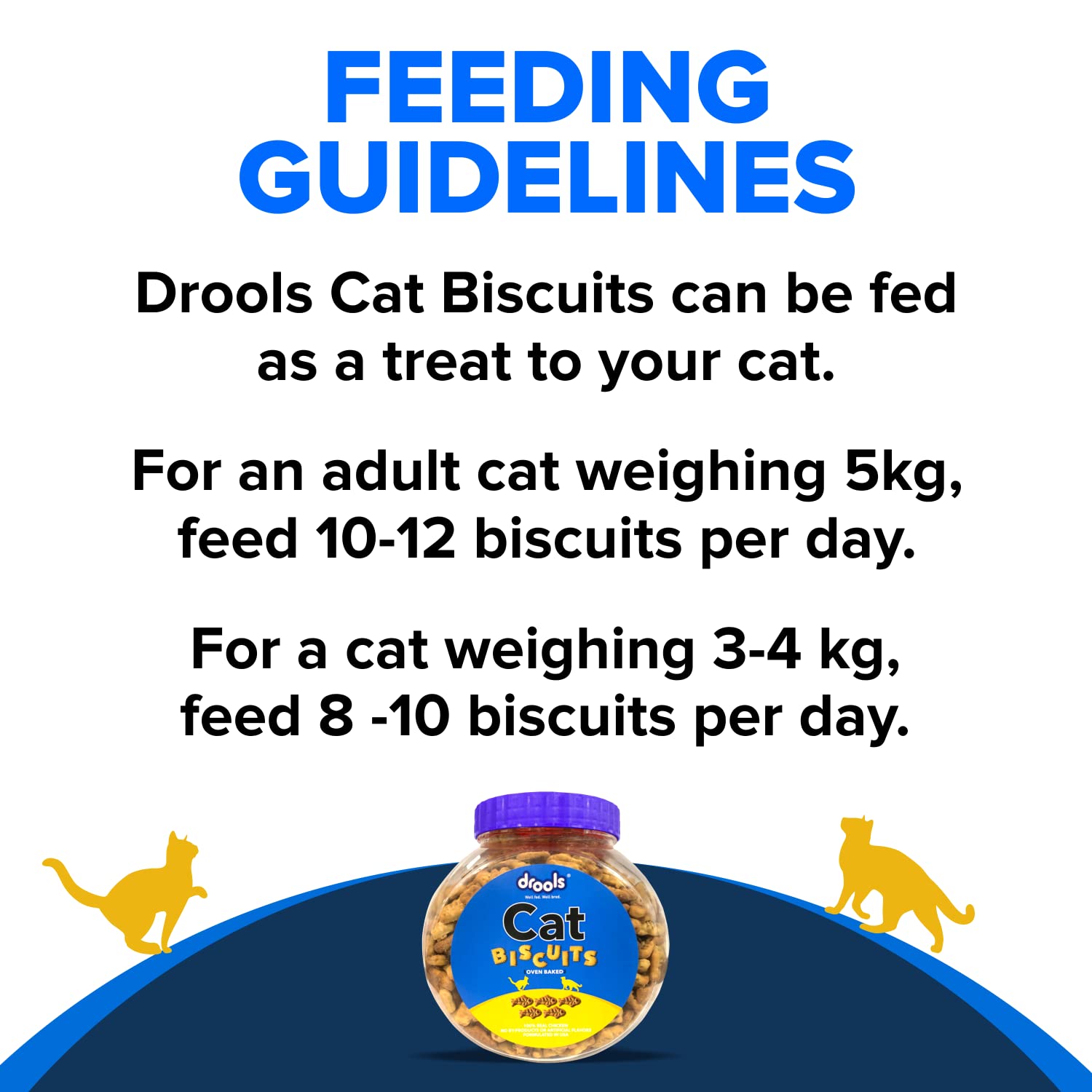
Because chewy cat food typically has higher moisture and different caloric density than dry food, portion size adjustment is needed.
| Cat’s Weight |
Dry Food Equivalent |
Suggested Cat Food Portion* |
| 2‑4 kg |
40‑60 g dry |
~140‑180 g/moist per day (in 2‑3 meals) |
| 4‑6 kg |
60‑80 g dry |
~180‑220 g/moist per day |
| 6+ kg |
80‑100 g dry |
~220‑260 g/moist per day |
*These are approximate; check the specific Drools product’s calories per gram and consult your vet. Always supply fresh water.
Potential Drawbacks & What to Watch For
Chewy cat food is excellent in many ways—but some things to monitor:
-
Cost — Typically more expensive per calorie than dry food.
-
Storage — Once opened, refrigerated if needed; moist food spoils faster.
-
Weight Gain — The richness and moist content can lead to overfeeding if portions not adjusted.
-
Dental Issues — If too soft, may not offer enough abrasive action to help reduce plaque.
How Drools Cat Food Fits Into a Cat’s Overall Diet
A well‑rounded diet usually includes:
-
Dry kibble (for crunch & dental benefit)
-
Chewy cat food (for moisture and appetizing texture)
-
Wet foods / pâtés occasionally
-
Fresh water always available
Combination feeding helps cats get both texture and nutritional benefits.
Real Life Testimonials & Benefits
Many cat owners report improvements after switching to Drools chewy cat food:
-
More eager eating in picky cats
-
Better coat shine due to higher fat and omega‑3 content
-
Less digestive upset or vomiting (with the right variant)
-
Improved energy and playfulness
-
Easier grooming due to less matting in coats from soft, well‑formed stools
Frequently Asked Questions (FAQ) about Chewy Cat Food
Q: Can adult cats eat kitten formulas of cat food?
A: Kitten formulas are richer in certain nutrients. They are generally safe but may cause weight gain if used long‑term for large adult cats.
Q: How often should I feed cat food?
A: Two meals a day is standard, though you can mix with dry food. Use feeding guidelines on the packaging.
Q: Is chewy cat food enough on its own?
A: If nutritionally complete and balanced, yes. But many owners combine with dry food for variety and dental benefits.
Q: Can chewy cat food help with dehydration or kidney issues?
A: Moisture helps hydration, which can support kidney function. However, kidney disease requires veterinary guidance and specialized diet.
Best Practices to Maximize the Benefits of Cat Food
-
Store food properly (sealed, cool, dry)
-
Use portion‑controlled bowls
-
Rotate flavors to avoid boredom
-
Pair with regular play & exercise to maintain muscle health
-
Regular vet checkups to monitor weight, dental health, coat condition
Summary: Why Drools Cat Food is a Great Choice
Drools chewy cat food offers a superb blend of taste, texture, and nutrition. With its soft, appetizing chewiness, high‑quality ingredients, and variety tailored for different life stages, it’s more than just another cat food—it’s a feeding experience. If you want your cat to eat eagerly, stay hydrated, maintain healthy skin and coat, and move with comfort, chewy cat food from Drools is an excellent option.
Wet / Moist Versions & Urinary Health Considerations
A big benefit of many soft, moist formulations of cat food is that they contain high moisture content, which helps with hydration. Cats naturally drink less water, so moisture from food is vital. The Environmental Literacy Council+3AAHA+3Chewy+3
-
Moist cat food can help dilute urine, reducing risks of urinary tract issues and formation of crystals or bladder stones. The Environmental Literacy Council+2Royal Canin+2
-
Feeding wet or moist cat food improves stool moisture, which may ease digestion and reduce constipation. Chewy+1
Nutritional Profile: Drools & Similar Brands
Looking at reviews and analyses:
-
A nutrient analysis of Drools dry cat food shows around 35.6% protein, ~13.3% fat but also relatively high carbohydrate content (~43%) in dry variants. Cat Food Advisor
-
When choosing cat food, especially moist types from Drools, you’ll want to compare these values—protein should be on top, fats sufficient for skin/coat health, carbs lower ideally.
Possible Concerns & Side Effects
While chewy cat food often offers many advantages, there are potential drawbacks to be aware of:
-
Because of moisture and softer texture, storage and spoilage (mold, bacteria) become more critical.
-
Overfeeding moist or rich cat food may lead to weight gain if calories aren’t adjusted.
-
Some cats may experience digestive upset when transitioning from dry kibble to softer cat food—vomiting, loose stool—if done too quickly.
Transitioning to Cat Food Smoothly
To avoid digestive issues or rejection:
-
Mix small amounts of cat food into current diet gradually over around 5‑7 days.
-
Monitor stool quality, hydration, appetite.
-
Maintain portions—since moisture adds weight but lower caloric density.
Comparisons: Cat Food vs Strict Dry Food Diets
| Aspect |
Chewy Cat Food |
Dry Food (Kibble) |
| Moisture / Hydration |
High; helps urinary tract, kidney health |
Low; risk of dehydration if cat doesn’t drink enough |
| Texture |
Soft, gentle; better for dental sensitivity |
Crunchy; helps with teeth cleaning via mechanical action |
| Palatability |
Often higher; aroma, gravy or sauce tend to attract picky eaters |
Varies; less aroma; appetite stimulation sometimes lower |
| Cost & Storage |
More expensive per gram; shorter shelf life once opened |
More economical; easier storage; longer shelf life |
| Risks |
Spoilage, overfeeding, potential digestive upset |
Harder for some cats to chew; risk of insufficient moisture |
How Drools Claims & Practices Measure Up
According to Drools’ own descriptions:
-
They commit to using “100% real and clean ingredients with no by-products or fillers.” Drools
-
Their product range aims for balanced nutrition, controlling urinary pH, promoting digestive health, and including protein sources like chicken, egg, fish. Drools
Real‑Life Feedback & Trends
-
Many cat owners find that cats with urinary or kidney issues improve when shifted to wet or moist cat food, because of better hydration and less stress on urinary tract.
-
Results often show improved appetite, better weight maintenance, and fewer signs of dehydration or urinary discomfort.
Ingredient Sourcing & Quality Control in Cat Food
A big part of what makes Drools cat food trustworthy is where and how the ingredients are sourced and processed.
-
High-Quality Proteins: Drools often uses real meat or poultry as primary protein sources—chicken, fish, or lamb—ensuring the protein is digestible and suitable for feline dietary needs.
-
Minimal Fillers and Additives: Good chewy cat food formulas avoid unnecessary fillers like excessive corn, soy, or by‑products that add little nutrition and may cause sensitivities.
-
Natural Preservatives & Flavour Enhancers: To maintain shelf life and palatability, Drools uses safe agents (e.g. mixed tocopherols, natural flavor extracts) rather than harsh synthetic chemicals. This helps keep the food flavor strong without compromising safety.
-
Testing & Safety: Reliable manufacturers of chewy cat food perform batch testing for things like heavy metals, microbial contamination, and moisture content to ensure consistency and safety.
Storage, Handling, and Shelf Life of Chewy Cat Food
Because cat food often has higher moisture or softer textures, proper handling is essential to preserve quality, safety, and nutrition.
-
Before opening: Store in a cool, dry place out of direct sunlight. Excess heat can degrade proteins and fats, leading to off‑flavours or rancidity.
-
After opening: Reseal tightly, or transfer to air‑tight, moisture‑proof containers. If the food is in wet or pouch formats, refrigeration may be required once opened.
-
Shelf life: Check the “best by” date on packaging. Once opened, chewy cat food should ideally be used within a few days (for wet/moist variants) or weeks (for softer dry or semi‑moist types), depending on type.
-
Signs of spoilage: Smell (if rancid or sour), changes in texture (mucous or slimy), mold or unusual discoloration are red flags. If any of these appear, discard the food.
Feeding Frequency & Portion Recommendations
To get the most benefit from Drools cat food, and to avoid overfeeding, observe these guidelines:
| Cat Type / Life Stage |
Activity Level |
Suggested Frequency |
Portion Size Notes |
| Kittens |
High growth |
3‑4 small meals daily |
Use kitten‑formulas; more frequent, smaller portions |
| Adult cats (normal activity) |
Moderately active |
2 meals daily |
Use feeding chart on packaging; adjust for weight and body condition |
| Senior / less active cats |
Low activity |
1‑2 meals daily |
May require lower calorie or lighter variants of chewy cat food |
-
Always adjust according to your cat’s weight, age, activity, and health status.
-
Monitor your cat’s body condition—if you notice weight gain, reduce portion size or frequency.
-
Use cat food especially in wet/moist form after exercise or during times when cats need extra hydration.
Managing Special Health Issues with Cat Food
Chewy cat food can play a role in managing or mitigating certain feline health challenges:
-
Urinary Tract Health:
Moist chewy cat food helps increase water intake, which dilutes urine and reduces risk of urinary crystal or stone formation. Also, some variants may aim to help maintain proper urinary pH.
-
Digestive Sensitivity or Allergies:
For cats with sensitive digestion, chewable foods with limited ingredient lists, or “single protein” variants, can help. Switching gradually to chewy cat food can reduce risk of upset stomach.
-
Dental & Oral Sensitivity:
Cats with dental issues (bad teeth, gums) may struggle with hard kibble. Soft chewy cat food is gentler on teeth while still allowing chewing, which helps reduce boredom and supports oral health with less discomfort.
-
Weight Management:
High‑moisture chewy cat food often has lower caloric density per gram compared to dry kibble. Proper portions can help maintain weight in less active cats.
Comparing Drools Cat Food to Other Brands
When choosing between different feline food options, chewy cat food from Drools competes with both dry kibble, wet food, and mixtures. Here’s how it tends to stack up:
| Feature |
Drools Chewy Cat Food |
Dry Kibble |
Wet / Pâté Food |
| Moisture Content |
Higher than dry, lower than full wet variants; helps hydration |
Low, risk of dehydration if cat doesn’t drink enough |
Very high; great for hydration and kidney support |
| Texture / Chew |
Soft / semi‑soft chew satisfying for many cats |
Crunchy; helps with plaque, but hard for sensitive mouths |
Very soft; easy for older cats but less chewing action |
| Flavor / Palatability |
Good; rich flavors attract picky eaters |
Usually acceptable; perhaps less aromatic |
Very high appeal; strongly aromatic and tempting |
| Cost per Meal |
Moderately higher than dry; cheaper than premium wet foods |
Usually lowest |
Often most expensive due to moisture and packaging |
| Shelf Life after Opening |
Shorter; moist forms spoil faster |
Longest; dry is stable |
Short once opened; must refrigerate |
Real‑Life Customer Stories & Observations
Many cat owners share positive feedback when switching to or incorporating Drools chewy cat food:
-
Picky eaters revived: Cats who rejected previous foods often respond well to chewy cat food due to richer moisture and aroma.
-
Improved hydration: Owners report fewer signs of dry skin or urinary issues when feeding more moist chewy cat food.
-
Better coat condition: More sheen, less dandruff, more softness in fur.
-
More energy & play: Cats seem more willing to jump, chase toys, explore after consuming adequate chewy cat food.
The Role of Chewy Cat Food in a Long-Term Feline Wellness Plan
Including chewy cat food as a consistent part of your cat’s diet supports overall well-being over time. Its soft, moisture-rich texture not only improves daily hydration, but also promotes better digestion and easier absorption of nutrients. Cats often face a decline in kidney function as they age, and feeding them high-moisture foods like Drools chewy cat food may ease the strain on their renal systems.
Over the long term, chewy cat food helps maintain a healthier weight and reduces the likelihood of chronic dehydration-related issues such as urinary tract infections or kidney stones. By making chewy cat food a staple—not just a treat—you’re creating a feeding routine that supports your cat’s health from kittenhood through senior years.
Veterinarians often recommend rotating between dry and chewy formats, or using chewy cat food as the primary base, especially for cats with low thirst drive. With Drools, you also get the added advantage of ingredient transparency and trusted manufacturing standards, making it easier to commit to a high-quality feeding plan.



Reviews
There are no reviews yet.