Description
Sunflower Seeds for Birds: A Complete Guide to Feeding, Benefits & Care
When it comes to feeding wild birds or backyard aviaries, sunflower seeds for birds are among the top choices for both nutrition and attraction. These seeds offer high energy, excellent flavor, and versatility. Whether you are just starting to feed birds or you want to optimize your feeders, knowing about sunflower seeds for birds can make a big difference in the health, feather quality, and behavior of your feathered visitors.
What Are Sunflower Seeds for Birds?
“Sunflower seeds for birds” refers to sunflower varieties—whole, striped, black‑oil, or hulled—that are used in bird feeders or mixed into bird food blends. The term also covers sunflower hearts (kernels without shells) that are eaten by birds that prefer or need easy access to the seed without dealing with a tough husk.
There are several types:
-
Black‑oil sunflower seeds: Thin‑shelled, high fat, easy for many birds to eat.
-
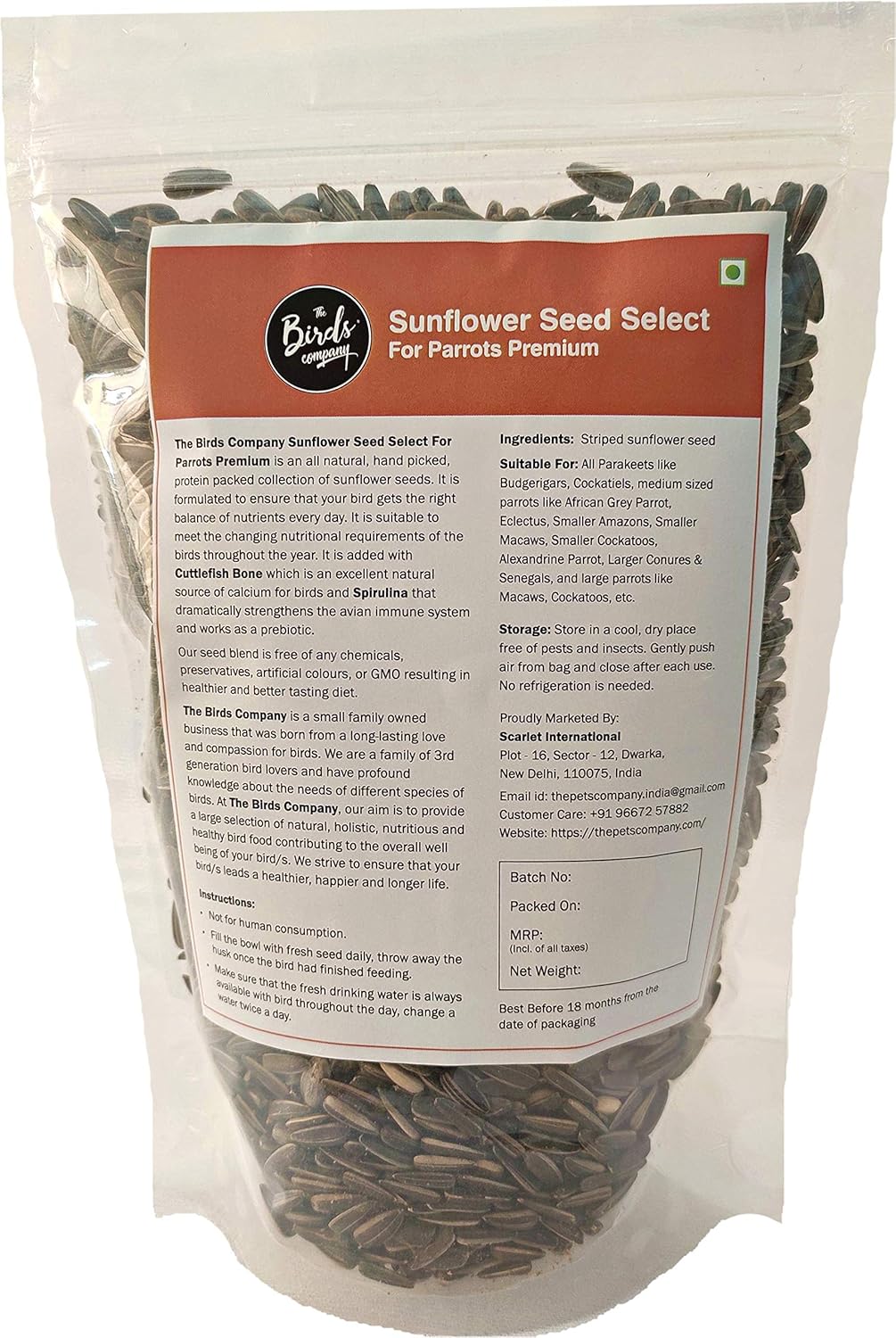
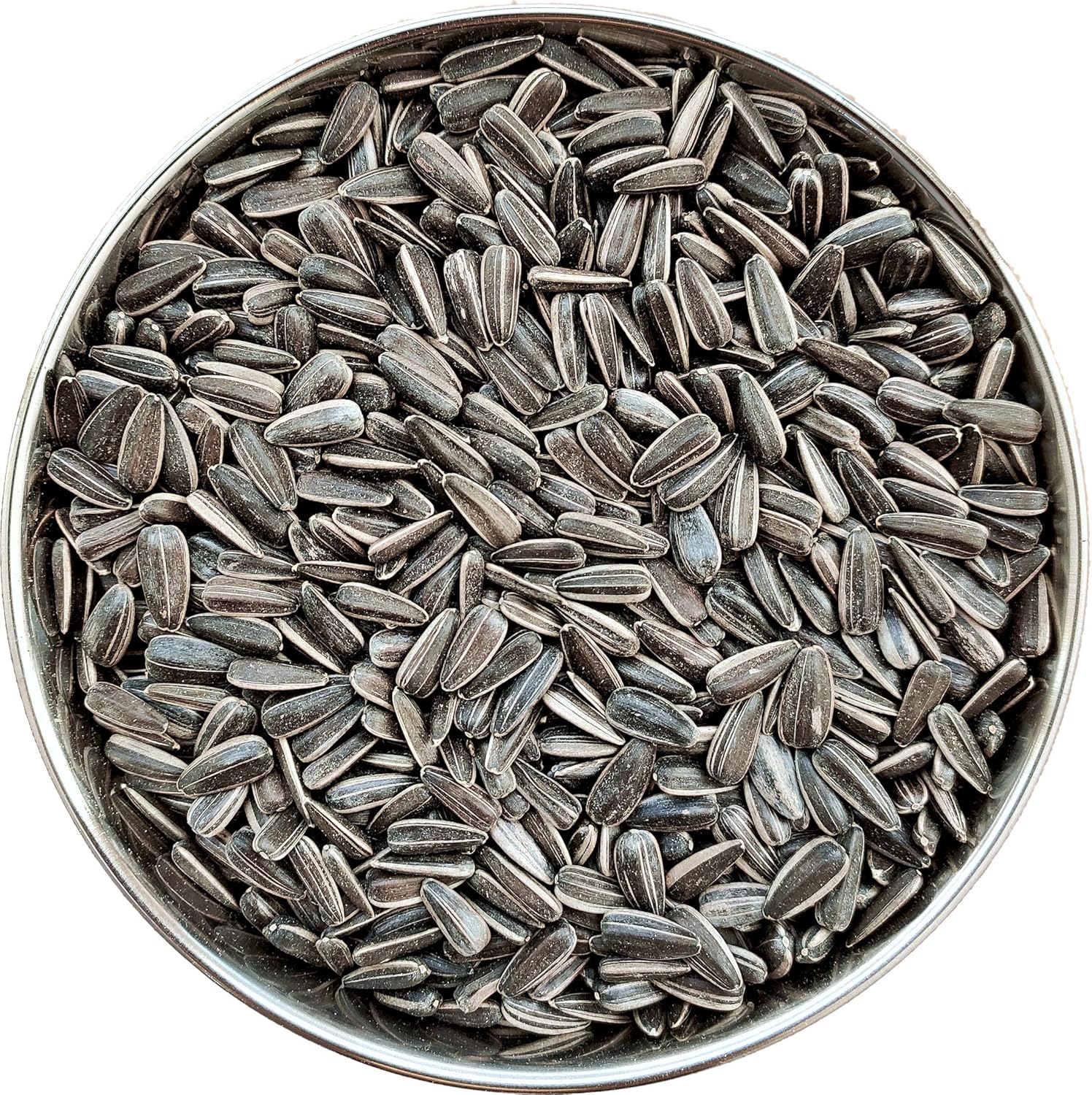
Striped sunflower seeds: Harder shells, good for stronger beaks.
-
Sunflower hearts: Husks removed; very easy to eat and low waste.
All these fall under the umbrella of “sunflower seeds for birds” and offer varying levels of accessibility, cost, and mess.
Nutritional Profile
Using sunflower seeds for birds in your feeders brings lots of nutritional benefits. Here are key points:
-
High fat content: Many sunflower seeds varieties have around 50% fat by weight. This helps birds fuel their metabolism, stay warm in cold weather, and maintain energy. Birds In The Tree+2AvianBliss+2
-
Protein: About 15‑21% protein, depending on the type, which supports muscle, feather growth, and repair. AvianBliss+1
-
Vitamins & minerals: These seeds deliver Vitamin E, B complex vitamins, magnesium, potassium, iron, and other micronutrients that support immune system, feather health, and general bird vitality. Bird Spot | The Place For Birds+3Birdful+3Birds In The Tree+3
-
Fiber: Helps with digestion, especially when combined with other seed types or when offered with varied diet. Birdful+1
Why Birds Love Sunflower Seeds for Birds
There are several reasons birds are drawn to sunflower seeds for birds mixes or feeders:
-
Taste & Energy: The high fat and oil content make sunflower seeds very palatable and energy‑dense—birds get more calories per bite. AvianBliss+1
-
Versatility: Many bird species, from small songbirds (finches, sparrows) to larger ones (jays, cardinals), can eat sunflower seeds for birds—particularly black oil or hearts that are easier to consume. Birds In The Tree+3Hummingbirds Plus+3Hummingbirds Plus+3
-
Accessibility: Birds with softer beaks or young birds can eat sunflower hearts more easily. Those with stronger beaks can crack striped seeds. Birdfact+2The Bird House+2
-
Attractiveness: Sunflower seeds for birds are among the best seeds to use if you want to attract a wide variety of birds to your feeder. They are reliable attractants. Hummingbirds Plus+1
How to Feed Sunflower Seeds for Birds Properly
To get the most benefit from sunflower seeds for birds, good practices are important:
-
Offer unsalted, clean seeds: Avoid adding salt or artificial flavors. Salt can harm birds. Birds In The Tree+1
-
Varied diet: Sunflower seeds for birds should be part of a mixed diet. Using only sunflower seeds can lead to imbalance. Combine with millet, suet, fruit, etc. AvianBliss+1
-
Proper feeders: Use feeders or trays suited to seed type. For hearts or husked seeds, platforms or trays reduce waste. For whole seeds, tube or hopper feeders work well. Birdfact+2The Bird House+2
-
Cleanliness: Regularly clean feeders, remove old or wet seeds. Mold or stale seeds hurt bird health. Bird Spot | The Place For Birds+1
-
Storage: Store sunflower seeds for birds in airtight containers, in a cool dry place, away from moisture. Seeds can go rancid. Foodie Puppies+2Foodie Puppies+2
Seasonal Usage
Sunflower seeds for birds are especially valuable in certain seasons:
-
Winter / Colder months: Energy demands are higher. Birds rely on high-fat seeds like sunflower seeds to maintain body heat. Hummingbirds Plus+2AvianBliss+2
-
Migration periods: Birds need extra energy for long flights. Providing sunflower seeds for birds helps fuel migration. AvianBliss
-
Moulting & breeding: Seed protein helps with feather regrowth; energy is needed for nest building and feeding chicks. AvianBliss+1
Different Types & Which Ones to Use
You’ll see different sunflower seed types marketed or available. Here’s a breakdown:
| Type |
Pros |
Things to Consider |
| Black oil sunflower seeds |
Thin shells, high fat, attract many species, low waste |
More expensive; easier for small birds or soft beaked ones to eat than striped variants. Hummingbirds Plus+1 |
| Striped sunflower seeds |
Cheaper, strong flavor, good for larger birds |
Shells tougher; more waste if small birds can’t crack shells. |
| Sunflower hearts (hulled) |
No shell; ready‑to‑eat; less mess |
More expensive; spoil faster; may require more frequent refilling. Birdfact+1 |
Benefits for Bird Health
Feeding sunflower seeds for birds regularly—but appropriately—yields many health benefits:
-
Supports feather quality: The protein and oils help develop strong, glossy feathers. Birdfact+1
-
Helps immune function: Vitamin E, B vitamins, minerals like magnesium support immunity. AvianBliss+1
-
Provides energy: Birds can sustain cold weather, migration, breeding with adequate fat and oil from sunflower seeds. AvianBliss+1
-
Aids digestion: Fiber content helps, especially when seeds are clean and combined with water or mixed diets. Rare Companions+1
Potential Issues & How to Avoid Them
While sunflower seeds for birds are excellent, overuse or misuse can lead to problems. Here are things to watch:
-
Too much fat: Because sunflower seeds are high in fat, they should not be the sole food source. Overfeeding can lead to obesity or fatty liver in pet birds. Hummingbirds Plus+1
-
Salted or flavored seeds: Avoid those with added salt or seasoning. Birds don’t need this; it can be harmful. Birds In The Tree
-
Mold & rancidity: Poor storage can allow seeds to become rancid, losing nutritional value or becoming toxic. Discard old or moist seeds. Bird Spot | The Place For Birds+1
-
Unsuitable shell type: Very hard shells may be difficult for young, old, or small birds. Use hearts or thin shell versions when needed.
Attracting a Wide Variety of Birds with Sunflower Seeds for Birds
One of the greatest advantages of using sunflower seeds for birds is their ability to attract many different species:
-
Songbirds such as chickadees, finches, sparrows love black oil or hearts. Hummingbirds Plus+2Birdful+2
-
Larger birds like cardinals, jays, woodpeckers are drawn to striped sunflower seeds or unshelled whole seed mixes. AvianBliss+1
-
Ground feeders (doves, robins) will eat spilled seeds or hearts on trays. Providing sunflower seeds for birds in both feeder types maximizes attraction. Birdfact+1
Practical Tips for Bird Lovers
Here are some actionable tips when using sunflower seeds for birds in your feeding routine:
-
Start with black oil sunflower seeds or hearts to get more species visiting.
-
Rotate seed types to keep feed fresh and appeal varied.
-
Use feeder guards or squirrels‑proof feeders because sunflower seeds are highly attractive.
-
Place feeders in visible but safe locations away from predators.
-
Monitor how fast the seeds are eaten—if they linger, check freshness or mix with more attractive seeds.
Storage, Cleanliness, & Supply
Maintaining your sunflower seeds for birds in good condition ensures longevity and safety:
-
Store in airtight, moisture‑proof containers.
-
Keep in cool, dry places away from heat or direct sun.
-
Use up seeds within a few months. If seeds smell “off” or oily, discard.
-
Clean feeders regularly—empty old seeds, scrub, rinse, let dry before refilling.
Sunflower Seeds for Birds in Different Climates/Regions
how seeds perform or be used can vary by region:
-
In colder regions: sunflower seeds for birds are extremely beneficial in winter, as birds need more fat for heat.
-
In humid/tropical regions: watch for mold; seeds degrade faster; opt for smaller quantities and use hearts.
-
Migration zones: use seed feeding strategically to aid birds during stopover periods.
Birds That Are Attracted by Sunflower Seeds for Birds
Many bird species are especially fond of sunflower seeds for birds, due to their high fat, protein, and energy content. Including these seeds in your feeders will attract a wide variety of birds, especially during colder months or times of food scarcity. birdingbackyard.com+4Birdful+4Hummingbirds Plus+4
Here are some common visitors:
-
Chickadees: These small, active songbirds often go for black‑oil sunflower seeds. Their small size but nimble beaks make them well suited for cracking the shell. Birdful+2Hummingbirds Plus+2
-
Finches (like American Goldfinch, House Finch): Especially drawn to shells or hearts; sunflower seeds for birds are a favourite, particularly in spring and early summer. homesteady.com+2Hummingbirds Plus+2
-
Cardinals: Known to relish sunflower seeds; their strong beaks can handle both striped and black‑oil varieties. globalsavors.com+2birdingbackyard.com+2
-
Sparrows: Many sparrow species enjoy sunflower seeds, particularly when mixed into blends or offered with other seed types. White‑throated, House Sparrows, etc. homesteady.com+2Chipper Birds+2
-
Woodpeckers: Downy, Red‑bellied and similar woodpeckers will take sunflower seeds for birds from platform feeders or suet feeders when available. Birdful+1
-
Blue Jays: These larger birds often grab sunflower seeds for birds, sometimes taking whole seeds away to crack open elsewhere. Their strong beaks are well adapted for this. Birdful+2Hummingbirds Plus+2
-
Titmice, Nuthatches, Mourning Doves also show up often in feeders stocked with sunflower seeds for birds. Birdful+2globalsavors.com+2
The result: sunflower seeds for birds not only attract more birds, but make your backyard or feeder area much livelier. Birdful+2Hummingbirds Plus+2
Risks & Considerations When Feeding Sunflower Seeds for Birds
Though sunflower seeds for birds are very beneficial, there are some risks and best practices to keep your bird‑feeding environment safe and healthy. Overuse or improper storage can lead to health issues. Bird Sology+2Birdful+2
Some things to watch out for:
-
Excessive Fat & Calories
Because sunflower seeds for birds are high in fat, too large a proportion in diet can lead to weight gain or liver issues in pet birds or those with limited activity. Bird Sology
-
Shells & Choking / Digestive Risks
Seeds in shell form can be harder for some birds, especially smaller ones, to manage. Sharp shell fragments or swallowing shells whole may risk choking, or sometimes digestive blockage. Birdful
-
Mold & Rancidity
If sunflower seeds for birds are stored in damp or warm conditions, seeds may develop mold or go rancid. Birds eating bad seed may suffer digestive or health issues. Always check freshness. Birdfact+2Birdful+2
-
Diet Imbalance
Relying only on sunflower seeds for birds could deprive birds of other nutrients they get from variety (insects, fruit, other seeds). It’s best to mix sunflower seeds with other seed types, suet, or fresh food. Bird Sology+1
Using Sunflower Seeds for Birds Effectively
Here are practical tips to maximize benefits and minimize problems when using sunflower seeds for birds in feeders.
-
Use suitable feeder types: Platform, hopper, or tray feeders work well. For seeds in shell, feeders with perches or small platforms help birds feed comfortably without scattering seeds.
-
Offer both whole sunflower seeds (for birds who can crack shells) and hulled seeds or sunflower hearts (for smaller birds or those with weak beaks) to reduce waste.
-
Feed seasonally: In winter or during migration, sunflower seeds for birds are more critical for energy. During milder seasons, mix them with other feed for balance.
-
Keep feeder area clean, remove wet or moldy seeds, wash feeders regularly.
Nutritional Highlights of Sunflower Seeds for Birds
To better understand why so many species love sunflower seeds for birds, here are key nutritional facts:
-
High fat and oil content, which gives birds energy especially in cold or stressful conditions. Hummingbirds Plus+1
-
Good protein levels to support feather growth, muscle maintenance, and metabolic needs. Birdfact+1
-
Vitamins and minerals: Sunflower hearts especially are rich in minerals like magnesium, potassium, iron, which support bird health. Birdfact+1
DIY Feeder Designs to Use Sunflower Seeds for Birds
Using sunflower seeds for birds is even more effective when feeders are tailored to seed type and bird behavior. Some feeder designs work better with whole seeds, others with hearts or hulled seeds. Here’s how to set up feeders to get the most out of sunflower seeds for birds:
Feeder Types & Recommendations
-
Tray / Platform Feeders
-
Great for sunflower seeds for birds, especially hearts, because birds can land and feed comfortably.
-
Use a tray with drainage holes so water doesn’t pool and spoil the seeds.
-
Hopper/House Feeders
-
Tube Feeders with Perches
-
Special Nyjer / Fine Seed Feeders
-
Suet/Shell Feeders or Mesh Bags
Placement and Maintenance
-
Position feeders where birds feel safe (away from predators).
-
Clean feeders regularly to prevent mold or fungal growth that can ruin sunflower seeds for birds.
-
Refill often but avoid overflow; stale seeds degrade quality.
Regional and Climate‑Specific Advice for Sunflower Seeds for Birds
Bird feeding needs and challenges vary by climate. How you use sunflower seeds for birds should adapt to regional weather, bird migration, and local species.
Cold / Temperate Regions
-
In winter, sunflower seeds for birds are especially valuable due to their high fat content. Birds need extra energy to maintain body heat.
-
Protect feeders from snow and ice; ensure seed remains dry.
Hot / Humid Regions
Migratory Pathways
-
During migration seasons, sunflower seeds for birds can be offered to help birds fuel up.
-
Encourage quick turnovers in feeders so seeds don’t sit too long.
Urban vs Rural Areas
-
Urban areas may have more competition from squirrels or pests; use squirrel‑proof feeders to protect sunflower seeds for birds.
-
Rural areas may offer more natural food sources; sunflower seeds for birds serve as supplemental feed.
Case Studies: Sunflower Seeds for Birds in Practice
Case Study A: Backyard Feeding in Suburban Area
A suburban homeowner started putting out black‑oil sunflower seeds for birds in mixed tube and platform feeders. Over months, observed:
-
Increase in numbers of songbirds (chickadees, sparrows) using feeders.
-
More frequent visits during late fall and early spring when natural food was scarce.
-
Less waste when switching to hulled seeds.
Case Study B: Rehabilitation Center for Wild Birds
A wildlife rehabilitation center used sunflower seeds for birds as part of energy‑rich diets for injured songbirds. Key outcomes:
-
Faster weight gain in birds recovering from injury when diets included sunflower seeds for birds.
-
Improved feather regeneration, especially in species that had lost tail or flight feathers.
Case Study C: Migratory Feeding Station
An organization runs a stopover feeding station for migratory birds. They noted:
Calculating Feeding Needs: How Much Sunflower Seeds for Birds
To avoid waste and overfeeding, it helps to estimate how much sunflower seeds for birds your feeders require.
Estimation Guidelines
-
Monitor how much seed gets consumed in a day. If feeders are half full in a day, that’s a baseline.
-
For small backyard feeders feeding a few small birds, a kilogram/month may suffice.
-
For larger feeding setups (community gardens, bird sanctuaries), need rises proportionally.
Balancing with Other Foods
-
Don’t feed sunflower seeds for birds exclusively—mix with other seeds, fruits, or suet for balanced nutrition.
-
Especially for pet birds or breeding birds, include protein from insects or legumes.

Reviews
There are no reviews yet.