Description
Premium Bird Seed Food for All Birds: Comprehensive Guide and Benefits
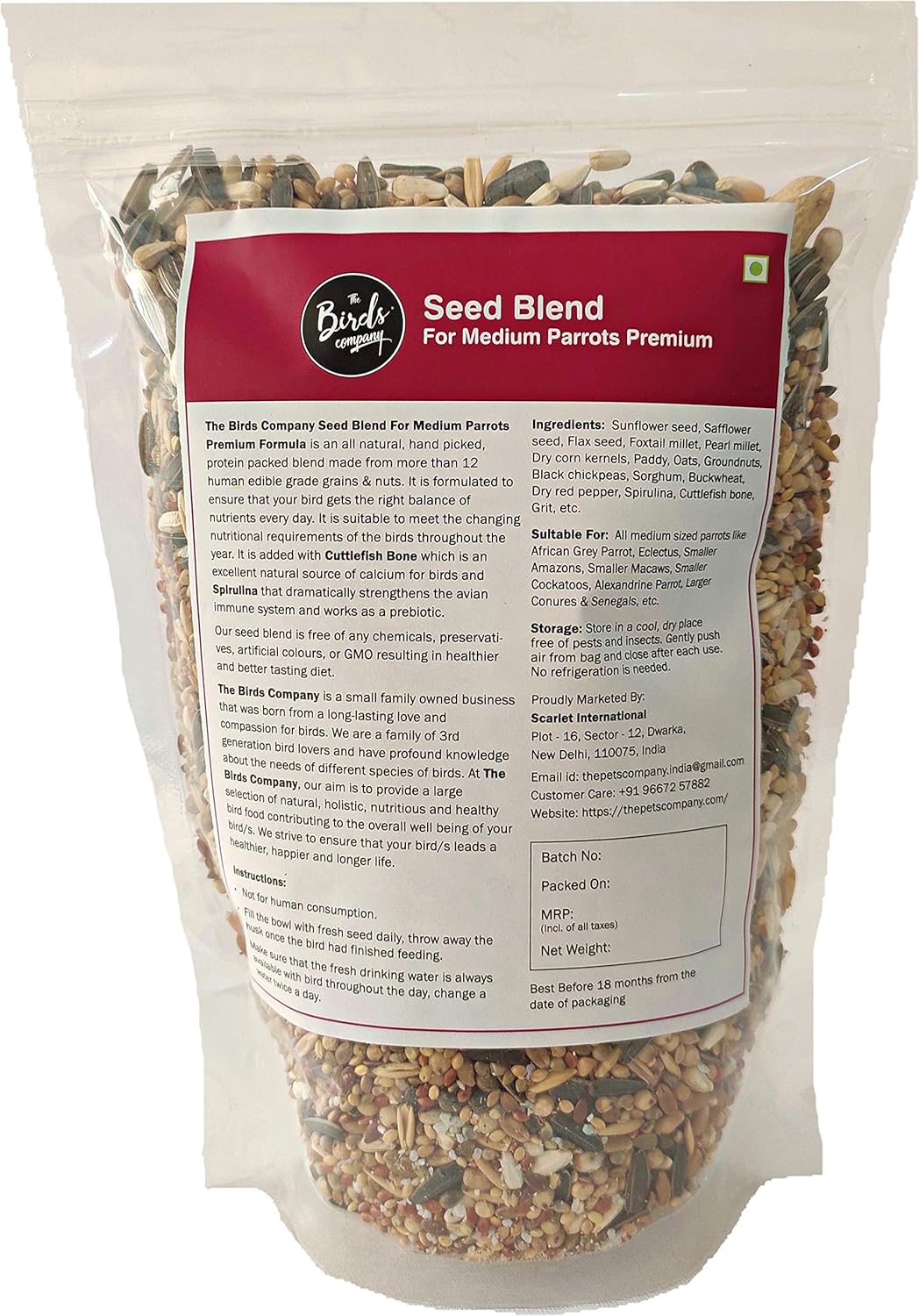
Bird seed food plays a vital role in the health and wellbeing of birds, whether wild or pet. Choosing the right bird seed food ensures your birds receive essential nutrients for energy, feather quality, and overall vitality. This comprehensive guide dives deep into everything you need to know about bird seed food, its types, nutritional benefits, how to select the best seed mix, and tips on feeding birds safely.
Introduction to Bird Seed Food
Bird seed food is the cornerstone of avian nutrition. From small finches and canaries to larger parrots and wild birds, a well-balanced seed mix caters to their dietary needs. Seed mixes vary widely, containing sunflower seeds, millet, safflower, nyjer, and other nutritious grains. Each type of seed offers unique benefits, making it essential to understand the composition of bird seed food.
Types of Bird Seed Food
There are numerous types of bird seed food available in the market. Each caters to different species and their dietary preferences:
1. Sunflower Seeds
One of the most popular components in bird seed food, sunflower seeds are loved by many birds. They are rich in fat and protein, providing essential energy especially during colder months.
2. Millet
Millet is a small, round seed commonly found in bird seed food. It’s favored by small birds like finches and sparrows due to its easy-to-eat size and high carbohydrate content.
3. Safflower Seeds
Safflower seeds have a hard shell that many birds enjoy cracking open. They are high in protein and oil, supporting feather health and energy.
4. Nyjer (Thistle Seed)
Nyjer is a tiny, oil-rich seed especially popular with finches. It requires special feeders but is highly nutritious and supports strong feathers.
5. Mixed Seed Blends
Mixed bird seed food blends combine various seeds to attract a wide range of birds, offering balanced nutrition and variety.
Nutritional Benefits of Bird Seed Food
Bird seed food offers multiple nutritional benefits:
-
High Energy: Seeds like sunflower are rich in fat, providing high-energy fuel for active birds.
-
Protein Source: Essential for muscle and feather development.
-
Vitamins and Minerals: Different seeds contain various micronutrients critical for bird health.
-
Fiber: Supports digestion and gut health.
Choosing the Best Bird Seed Food
Choosing quality bird seed food means looking for freshness, no fillers, and appropriate blends for your birds. Avoid mixes with excessive fillers like red millet or crushed seeds that can lead to waste and less nutrition.
Feeding Tips and Safety
-
Offer bird seed food in clean feeders.
-
Avoid moldy or stale seeds which can harm birds.
-
Provide fresh water alongside seed food.
-
Rotate seed types to provide variety.
Conclusion
Choosing the right bird seed food is essential to support the health and happiness of birds. By selecting premium, nutrient-rich seed blends, you ensure that all birds, from wild visitors to beloved pets, thrive and flourish.
Seasonal Feeding Guide for Bird Seed Food
Different seasons require tailored feeding strategies to ensure birds get the nutrients they need year-round. Bird seed food must adapt to these seasonal changes to keep birds healthy and strong.
Spring and Summer Feeding
In the warmer months, birds naturally have access to more insects and fruits, which supplement their diet. However, offering high-quality bird seed food remains important, especially for breeding birds needing extra protein and energy.
Fall and Winter Feeding
During cold seasons, birds rely heavily on bird seed food for survival. The fat content in seeds becomes crucial for maintaining body heat and energy.
-
Recommended Seeds: Sunflower seeds, nyjer seeds, and other oil-rich seeds.
-
Feeding Tips: Provide larger quantities in feeders and ensure feeders are kept clean to prevent disease.
How to Store for Maximum Freshness
Proper storage of is key to preserving nutritional quality and preventing contamination.
Best Practices:
-
Store in airtight containers to protect from moisture and pests.
-
Keep seed food in a cool, dry place away from direct sunlight.
-
Use within 6 months of purchase to ensure freshness.
-
Check for signs of mold or rancidity before use.
How Bird Seed Food Supports Different Bird Species
Bird seed food caters to a wide variety of bird species. Understanding species-specific preferences helps optimize feeding.
Songbirds
Small songbirds like finches and sparrows prefer smaller seeds like millet and nyjer. These seeds are easy to handle and digest, making blends with a higher percentage of small seeds ideal.
Larger Birds
Robins, jays, and woodpeckers favor larger seeds like sunflower and safflower. that includes these supports their energy needs and beak strength.
Parrots and Exotic Birds
Parrots enjoy a mix of seeds and nuts. tailored for exotic birds often includes a diverse seed blend plus dried fruits for balanced nutrition.
Common Mistakes When Feeding Bird Seed Food
To maximize the benefits of , avoid these common pitfalls:
-
Using low-quality seed mixes: Many cheap mixes contain fillers that birds reject.
-
Overfeeding: Excess seed food can lead to mold growth and attract pests.
-
Ignoring feeder hygiene: Dirty feeders can spread disease.
-
Feeding the wrong seed for bird species: Not all birds eat the same seeds.
Benefits of Premium Bird Seed Food Over Regular Seed Mixes
Choosing premium bird seed food offers numerous advantages:
-
Higher nutritional content with balanced seed blends.
-
Fresher seeds with better flavor and aroma.
-
Less waste due to birds consuming all seeds offered.
-
Supports bird health, feather quality, and longevity.
Frequently Asked Questions About Bird Seed Food
Q: Can I feed bird seed food year-round?
A: Yes, but adjust the types and quantities seasonally to match birds’ nutritional needs.
Q: How do I attract more bird species with bird seed food?
A: Use mixed seed blends and varied feeders to appeal to different birds.
Q: How often should I refill ?
A: Refill as needed to keep feeders full but avoid overfilling to reduce waste.
DIY Bird Seed Food Mixes: How to Make Your Own Blend
Creating your own bird seed food mix allows you to customize nutrition based on the bird species you want to attract and your budget. Making your own blend ensures freshness and reduces fillers found in commercial mixes.
Basic Ingredients for Bird Seed Food Mix
-
Sunflower Seeds: A staple for most birds, rich in fat and protein.
-
Millet: Great for small birds like finches and sparrows.
-
Safflower Seeds: Favored by cardinals and grosbeaks.
-
Nyjer (Thistle): Excellent for finches, providing high oil content.
-
Cracked Corn: Attracts ground-feeding birds like doves and jays.
Recipe for a Balanced Mix
-
40% sunflower seeds
-
25% millet
-
15% safflower seeds
-
10% cracked corn
-
10% nyjer seeds
Mix thoroughly and store in airtight containers.
Tips for DIY Bird Seed Food
-
Purchase seeds in bulk for cost savings.
-
Avoid using seeds treated with pesticides or chemicals.
-
Clean feeders regularly to prevent disease spread.
-
Offer variety to attract diverse bird species.
Environmental Benefits of Feeding Bird Seed Food
Feeding birds with quality supports local ecosystems in several ways:
1. Supports Bird Population
Supplemental feeding with helps birds survive harsh seasons, increasing local populations and biodiversity.
2. Promotes Pollination and Pest Control
Many birds feed on insects and pollen, contributing to healthy plant life and natural pest control.
3. Encourages Natural Behaviors
Providing in feeders encourages natural foraging and social interaction among bird species.
Bird Seed Food: Health Benefits for Birds
Bird seed food is designed not only to satisfy hunger but also to support overall health, including:
-
Feather Condition: Rich oils in seeds promote shiny, healthy feathers.
-
Bone Health: Seeds contain essential minerals like calcium and phosphorus.
-
Immune Support: Nutrient-dense seed blends strengthen the immune system.
-
Energy Boost: High-fat seeds provide fuel for migration and daily activities.
Choosing the Right Feeder for Your Bird Seed Food
Different feeders work best for different types of bird seed food and bird species:
-
Tube Feeders: Ideal for mixed bird seed food; multiple feeding ports reduce competition.
-
Platform Feeders: Best for larger birds who prefer to feed on flat surfaces.
-
Nyjer Feeders: Specifically designed for tiny nyjer seeds; have small feeding ports.
-
Hopper Feeders: Hold large quantities of bird seed food and keep it dry.
How to Attract Rare Birds with Bird Seed Food
Using specific seed blends and feeder styles can attract rare or less common birds:
-
Add Safflower Seeds: Attracts cardinals and chickadees.
-
Include Sunflower Hearts: Easy to eat and favored by many birds.
-
Use Suet Cakes with Seeds: Great for woodpeckers and nuthatches.
-
Keep Feeders Clean and Fresh: Ensures birds return regularly.
Understanding Bird Seed Food Labels
Reading labels oncan help you make informed choices:
-
Ingredients List: Look for natural seeds, no fillers or artificial additives.
-
Nutritional Information: Check protein, fat, and fiber content.
-
Origin: Seeds sourced from reputable farms are preferred.
-
Packaging Date: Fresher seed food is better for birds.
Conclusion: Why Premium Bird Seed Food Matters
Investing in premium bird seed food means giving birds the best chance to thrive. Quality seed mixes are more nutritious, fresher, and attract a wider variety of birds. Whether feeding backyard visitors or pet birds, premium ensures health, vitality, and happiness.
Common Bird Species and Their Preferred Bird Seed Food
Understanding which bird species frequent your area and what types of they prefer can enhance your bird-feeding experience and ensure you attract a diverse population.
1. Finches
Finches love small, oil-rich seeds such as nyjer and millet. Offering with a high percentage of these seeds will encourage finches to visit your feeders regularly. Nyjer seed feeders with small holes are specifically designed to accommodate these tiny seeds.
2. Sparrows
Sparrows are versatile feeders but show a preference for millet-heavy bird seed food. Providing a mix with white proso millet is ideal. They are ground feeders and often prefer platform feeders.
3. Cardinals
Cardinals favor safflower seeds and sunflower seeds. Including these will attract these vibrant birds. Cardinals tend to feed from hopper or platform feeders.
4. Woodpeckers
While woodpeckers often feed on insects, they also enjoy high-protein such as sunflower seeds and suet cakes with embedded seeds. Hanging feeders or suet cages are perfect to serve these birds.
5. Blue Jays
Blue Jays prefer larger seeds like peanuts and sunflower seeds. Providing cracked corn or nut pieces along with standard will help attract them.
6. Doves and Pigeons
These ground feeders prefer cracked corn and millet as part of their bird seed food diet. Scatter seeds on the ground or use platform feeders to attract them.
The Role of Bird Conservation
Feeding birds with high-quality contributes positively to bird conservation efforts, especially in urban and suburban areas where natural food sources can be scarce.
-
Supports Migratory Birds: Supplemental feeding helps migratory species build fat reserves necessary for long journeys.
-
Buffers Habitat Loss: As urbanization reduces natural habitats, acts as an essential food source.
-
Promotes Breeding Success: Adequate nutrition from improves breeding success and chick survival rates.
-
Citizen Science: Feeding birds and monitoring them contributes valuable data for bird conservation studies.
How to Avoid Common Problems When Using
While benefits birds, improper use can cause issues. Here are tips to prevent common problems:
-
Mold and Spoilage: Always discard moldy or wet seed food. Store seed food properly.
-
Pest Attraction: Keep feeders clean and avoid spillage to minimize attracting rodents and unwanted wildlife.
-
Overfeeding: Avoid overfilling feeders; seed food should be consumed within a few days.
-
Seed Waste: Choose seed mixes that birds prefer to minimize waste.
How Bird Seed Food Supports Bird Behavior and Socialization
Feeding birds with not only provides nutrition but also encourages natural behaviors and social interaction.
-
Foraging: Birds engage in natural foraging behavior when searching for seeds.
-
Territorial Displays: Feeding stations become gathering spots where birds establish territories and hierarchies.
-
Mating Rituals: Well-fed birds often display brighter plumage and perform more vigorous mating dances.
-
Family Bonding: Parents use feed their chicks, supporting early development.
Comparing Popular Brands
There are many brands available, each with unique blends and quality standards. When choosing, consider:
-
Seed Quality: Look for fresh, whole seeds with minimal dust and debris.
-
Blend Variety: Diverse blends attract a wider range of birds.
-
Packaging: Resealable packaging helps maintain freshness.
-
Price vs. Quality: Higher quality bird seed food may cost more but results in less waste and healthier birds.
Final Tips for Using Food
-
Rotate seed types seasonally to meet changing bird nutritional needs.
-
Use multiple feeders to reduce competition and stress among birds.
-
Observe which seeds your local birds prefer and adjust your bird seed food mix accordingly.
-
Always provide clean water alongside bird seed food.
How Food Enhances Backyard Birdwatching Experience
Feeding birds with quality transforms your backyard into a lively, colorful sanctuary. The variety of bird species attracted by well-chosen seed mixes makes birdwatching rewarding and educational.
-
Diverse Species: Different seed types attract finches, sparrows, cardinals, woodpeckers, and more, providing an exciting variety for bird enthusiasts.
-
Year-Round Activity: By adjusting blends seasonally, your backyard remains a hotspot for birds throughout the year.
-
Behavior Observation: Watching birds interact around feeders offers insights into social behaviors, feeding habits, and species identification.
-
Photography Opportunities: A steady stream of birds visiting your feeders offers perfect moments for wildlife photography.
Bird Seed Food and Environmental Responsibility
Choosing sustainable and responsibly sourced bird seed food is important for minimizing environmental impact:
-
Organic Seeds: Opt for feed made from organically grown seeds free from harmful pesticides.
-
Locally Sourced: Supporting local seed producers reduces carbon footprint and ensures fresher.
-
Minimal Packaging: Choose brands with eco-friendly, biodegradable, or recyclable packaging.
-
Avoid Harmful Additives: Ensure contains no artificial colors, flavors, or preservatives that may harm birds or the environment.
Feeding Nestlings and Juvenile Birds
Feeding baby birds requires special attention. While adult birds enjoy seed-based diets, nestlings often require a diet richer in protein and moisture.
-
Supplement Nestlings: Adult birds feed their chicks insects and regurgitated food but supplying quality to adult birds helps them maintain their strength.
-
Juvenile Transition: As young birds grow, they start to eat seeds. Offering small, soft seeds or soaked can ease this transition.
-
Avoid Direct Feeding: Never feed nestlings bird seed food directly unless advised by a wildlife expert.
Health Risks to Avoid When Using Bird Seed Food
While bird seed food is generally safe, certain risks must be managed:
-
Moldy Seeds: Mold produces toxins harmful to birds; always inspect before use.
-
Fatty Seed Overload: Too many high-fat seeds can lead to obesity in pet birds. Balance is key.
-
Contaminated Feeders: Dirty feeders can spread bacterial infections. Clean regularly with bird-safe disinfectants.
-
Unsafe Additives: Avoid with added sugars or salt.
Bird Seed Food Innovations: What’s New in the Market?
The bird food industry is evolving, offering innovative bird seed food options:
-
Fortified Seed Mixes: Enhanced with vitamins and minerals tailored for bird health.
-
Specialty Blends: Targeted seed mixes for attracting specific bird species.
-
Eco-Friendly Packaging: Brands adopting compostable or recyclable materials.
-
Sustainable Farming Practices: sourced from farms using regenerative agriculture methods.

Reviews
There are no reviews yet.