Description
The Complete Guide to Dog Treat Sticks
Dog treat sticks are one of the most popular ways to reward, train, and spoil your canine friend. With their chewable texture, strong flavors, and satisfying bite, these little treats are more than just snacks — they’re tools for bonding, for dental care, and for making your dog’s day better. In this guide, we’ll dive deep into what makes great dog treat sticks, how to choose them, how to use them safely, what to watch out for, their nutritional impact, and tips to pick the right ones for your dog’s breed, age, and health. Every recommendation below uses dog treat sticks as the central focus, blending benefits, risks, and practical advice.
What Are Dog Treat Sticks?
Dog treat sticks are chewable snack items shaped like slender rods or sticks made from animal or plant proteins, flavorings, binders, and sometimes extras like vitamins or minerals. They satisfy a dog’s natural desire to chew, help with oral hygiene by mechanically interacting with teeth, and serve as excellent rewards during training or for positive behavior. Common types include rawhide‑based sticks, meat sticks (meat and flavoring embedded), and softer sticks for puppies or senior dogs.
These sticks are not meals—they are treats. They’re used to reinforce behavior, to provide enrichment, or as a tasty snack between regular feeding times. Since they are chewy, they provide both mental stimulation and physical satisfaction. The texture and durability vary widely depending on ingredients and manufacturing, so knowing what your dog likes and what’s safe is crucial.
Why Dog Owners Love Dog Treat Sticks
Below are key advantages that make dog treat sticks a favorite among dog owners:
-
Chewing Satisfaction & Mental Enrichment
Dogs love to chew. It relieves boredom, reduces stress, and helps occupy their mouth and mind. A well‑made dog treat stick lets pups chew and enjoy, especially during quiet moments or when you’re busy.
-
Oral Health & Dental Benefits
Many dog treat sticks are designed with texture and firmness that help scrape away plaque and tartar as the dog chews. This mechanical cleaning supports healthier gums, fresher breath, and fewer dental issues.
-
Training Reinforcement
Using dog treat sticks as rewards—especially ones with enticing flavor—makes them powerful tools in positive reinforcement training. Because they are aromatic and tasty, they often motivate dogs more than bland treats.
-
High Protein & Flavor Appeal
Most premium dog treat sticks include significant protein content, often via meat sources or meat by‑products. Flavorings enhance palatability. Many dogs show loyalty to brands or flavors that deliver real taste.
-
Portability & Convenience
Treat sticks are easy to carry—walks, travel, car rides. No refrigeration needed in many variants. They’re less messy than soft treats or wet ones.
-
Mental & Physical Outlet
For dogs with high energy or those with chewing urges, dog treat sticks provide a safe chewing outlet. Chewing burns calories, gives satisfaction, and can reduce destructive chewing behavior.
-
Variety & Options
With different flavors, shapes, hardness levels, and formulations (rawhide vs meat vs more natural vs softer), owners can choose sticks suited for puppies, adults, senior dogs, or dogs with particular health needs.
Nutritional Aspects of Dog Treat Sticks
To pick good dog treat sticks, it’s useful to understand their nutritional makeup and how they affect your dog’s diet.
-
Protein Content: Many high‑quality treat sticks derive most of their nutrition from protein (meat, rawhide, or other animal sources). Protein supports muscle health, recovery, and general wellness. Research on bully sticks (which are a kind of meat stick) shows protein levels can be quite high (70‑80% in some cases). Caring for Pets
-
Fat & Calories: Treat sticks often contain moderate fat, which helps with flavor and can provide energy, but also increases caloric load. Overuse can lead to weight gain. The “10% rule” is often cited: treats (including sticks) should make up no more than about 10% of a dog’s total daily caloric intake. Devil Dog Pet Co+1
-
Moisture / Dryness: The drier the treat stick, typically the better shelf life and less risk of spoilage. However, very hard dry sticks can be more difficult for some dogs and may pose dental or digestive risk if not consumed properly. Frontiers+1
-
Additives & Flavorings: Many dog treat sticks include flavor enhancers, natural or artificial, plus sometimes binding agents and preservatives. Natural and minimal‑ingredient variants are often safer for dogs with sensitive stomachs or allergies. For example, treats with more whole meat and less filler tend to be healthier. bellaandduke.com+1
-
Dental Treat vs Snack Tradeoff: Some sticks are made specifically as “dental sticks”—designed to help with tartar removal—others are more flavour or fun based. If a treat stick claims dental benefits, texture is among the most important things. Frontiers+1
Choosing the Right Dog Treat Sticks: What to Look For
To get the benefits and avoid problems, consider these factors when choosing dog treat sticks:
-
Ingredients List Transparency
Look for real meat or protein sources listed high in the ingredients; avoid ambiguous “by‑products” unless you know what they are; avoid unnecessary artificial colors or flavors.
-
Appropriate Hardness / Texture
Puppies, senior dogs, or dogs with dental issues need softer or smaller sticks. Tough sticks are good for power chewers but risky if too big or sharp.
-
Flavor Likelihood
Whether you pick chicken, beef, lamb, or mixed flavour sticks, choose what your dog prefers and what is advertised. Flavor affects engagement, especially in training.
-
Caloric Value & Serving Size
Check how many calories per stick and adjust feeding accordingly. Always balance treats vs regular food. For small dogs, even one treat stick may use up much of the treat budget. Devil Dog Pet Co
-
Safety Considerations
-
Avoid choking hazards: size should be appropriate to breed/size.
-
Avoid detectable harmful preservatives or chemicals.
-
Ensure stick doesn’t splinter or break into sharp pieces.
-
Check for clean manufacturing, hygiene.
-
Dental or Health Claims
If the stick claims to help with dental care, check for texture, ridges, or shapes that help “scrape” plaque. If claims for joint support, skin/coat health etc., see if there are added vitamins or minerals.
-
Brand Reputation
Brands with transparent sourcing, good safety reviews, ingredient disclosure tend to be more trustworthy. Look for reviews, vet‑endorsements, or third‑party testing if possible.
How to Use Dog Treat Sticks Safely & Effectively
Having great dog treat sticks is one thing — using them properly is equally important. Here are best practices:
-
Supervise Chewing: Especially early on, monitor your dog when they first get a treat stick to ensure they chew safely and don’t swallow large chunks.
-
Choose the Right Size: Match the stick size to your dog. A large stick in a small dog could be choking risk; a tiny stick in a large dog may be destroyed too quickly.
-
Break Smaller Pieces if Needed: For training, breaking a stick into small reward bits can stretch value and reduce calories.
-
Frequency & Portion Control: Don’t use them every hour. Treat sticks should be given in moderation. Spread rewards over time. Use them as occasional treats, not daily staples. Use the 10% calorie guideline. Devil Dog Pet Co+1
-
Use for Work / Mental Enrichment: Use sticks during training, for licking mats, or puzzle toys to make them last and add engagement.
-
Dental Care Combo: Treat sticks help, but regular brushing of teeth, vet checkups, and occasional dental chews are still needed.
-
Watch for Signs of Discomfort: If you notice choking, gagging, choking on small pieces, digestive upset, or reluctance to chew, stop giving that kind of stick and switch to softer or safer options.
-
Storage: Keep in airtight containers. Moisture, heat, or humidity can degrade treat sticks. Old or stale sticks can be unsafe or unpalatable.
Common Risks & What to Avoid
While dog treat sticks are generally safe when chosen well and used properly, there are risks. Being aware helps prevent problems.
-
Choking & Obstruction: Large pieces swallowed may block throat or GI tract. Vigorous chewers might break off fragments.
-
Dental Damage: Very hard sticks may cause cracked teeth in younger dogs or those with weakened dentition.
-
Digestive Upset: Rich or fatty treat sticks may upset stomach, cause diarrhea or vomiting, especially if dog isn’t used to them.
-
Allergic Reactions: Dogs can have allergies to meat sources, flavorings, preservatives, or additives.
-
High Calorie Load: Over‑treating leads to excess weight, which increases risk of joint problems, heart issues, etc.
-
Poor Quality Materials: Rawhide treated with harsh chemicals, or flavored sticks with artificial and unsafe substances, can be harmful.
Nutritional Impact & Calorie Management
Knowing how much treat sticks contribute to your dog’s overall diet is important.
-
Many dog treat sticks deliver caloric density similar to jerky or dental chews. A single treat stick could have several tens of calories, depending on size. Research shows chew or dental sticks average ~250‑300 kcal per 100g on label basis. Frontiers
-
For example, if you have a 20 kg adult dog with maintenance needs around 800‑1000 kcal/day, keeping treats to <80‑100 kcal (10%) is reasonable.
-
Always check package nutrition table. Adjust main meals if you are giving more treats that day.
-
For dogs on calorie‑restricted diets or with weight issues, use smaller or fewer treats sticks, or those formulated with lower fat or fewer fillers.
Dog Treat Sticks: Varieties & Types
Here are some common varieties of dog treat sticks and their pros/cons:
| Type |
Texture / Hardness |
Best For |
Drawbacks |
| Rawhide sticks |
Tough, long lasting |
Chewers, larger breeds |
Risk of splintering, slow to digest, processed rawhide quality varies |
| Meat sticks (beef, chicken, lamb, etc.) |
Softer, more aromatic |
Dogs who prefer scent/flavor, training rewards |
Higher cost, may spoil sooner, stronger smell |
| Mixed flavor / flavored sticks |
Flavor variety (mixed meats, or meat + veggies) |
Pickier dogs, flavor testing |
Potential for additives; harder to identify allergens |
| Dental sticks (with ridges, specific shape) |
Designed to clean teeth as chew |
Dental health enhancement |
May be harder, may cost more; not all dogs chew long enough to get benefit |
| Soft or puppy‑specific sticks |
Softer texture, smaller pieces |
Puppies, senior dogs, dogs with dental issues |
They may be eaten fast; less dental cleaning benefit |
Scientific & Research Insights
A few research findings help understand how dog treat sticks function and their health implications:
-
A study reviewing dog treats found that chew sticks and dental sticks had average caloric content around 267.7 ± 17.6 kcal/100g. Frontiers
-
Another line of research shows that chewing contributes to reduction of plaque and tartar development, but only if the dog is motivated to chew the treat stick and if the shape/texture supports mechanical scraping. Frontiers+1
-
Comparisons between rawhide treats and bully sticks show that bully sticks (pure meat based) often provide better protein content, digestibility, and lower risk of chemical treatments. wyldlifepets.com+1
-
Studies warn that overuse of sticks or giving too many high‑calorie treat sticks without adjusting meals can lead to overweight and health issues. Devil Dog Pet Co+1
Practical Suggestions & Serving Size Guide
Here are examples of serving suggestions for dog treat sticks, which you should adapt based on your dog’s size, health, and activity level.
| Dog Size / Type |
Suggested Treat Stick Portions / Frequency |
| Toy / Small Breeds (≤10 kg) |
1 small stick or ½ stick a few times a week; break into smaller pieces for training |
| Medium Breeds (10‑25 kg) |
1‑2 full sticks/week or daily small pieces; balancing with meals |
| Large / Extra Large (>25 kg) |
Longer, thicker sticks; maybe 2–3 sticks/week; ensure high chewing resistance |
| Puppies |
Soft sticks; smaller pieces; once or twice a week; avoid excessively hard sticks until teeth are strong |
| Senior Dogs / Dental Issues |
Softer versions; treat sticks that are labeled for dental health or easy chewing; avoid very hard ones |
Comparing Dog Treat Sticks with Other Types of Treats
To make a smart purchase, it helps to know how dog treat sticks compare to other common options:
-
Soft treats / biscuits: Softer, easier to eat, good for training; less chewing action so less dental benefit; often higher in carbs.
-
Jerky treats: Highly flavored, often high protein; good flavor, but sometimes the texture is too soft or too rich; more spoilage risk.
-
Raw chews / bones: Very strong chewing benefit, long lasting; more risk of splintering, digestive blockage; often high fat content.
Dog treat sticks often strike a balance: flavorful, chewy, easier to manage than bones, more durable than soft treats.
Brand Examples & What Features They Offer
Here are some products in the market, showing what features good dog treat sticks include:
-
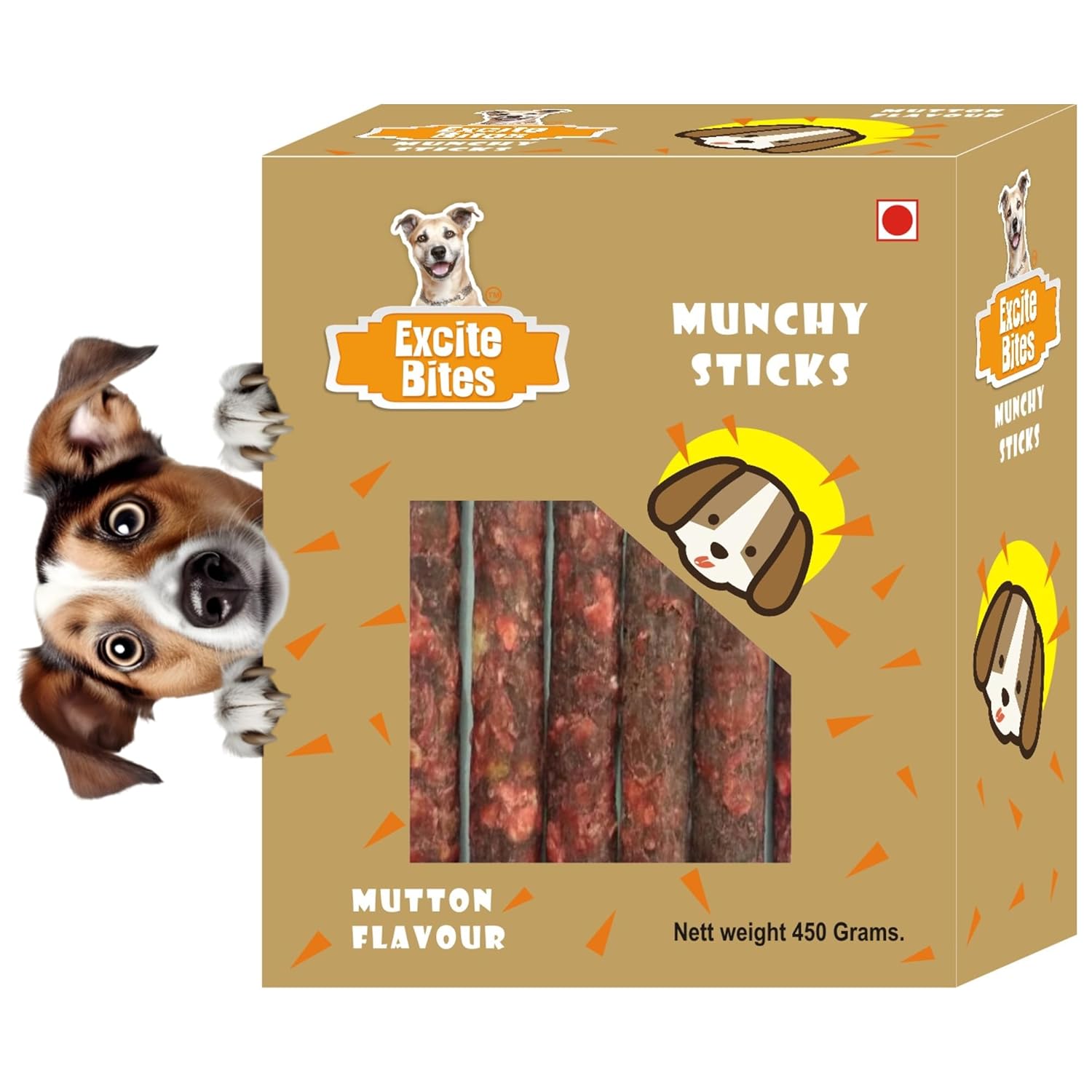
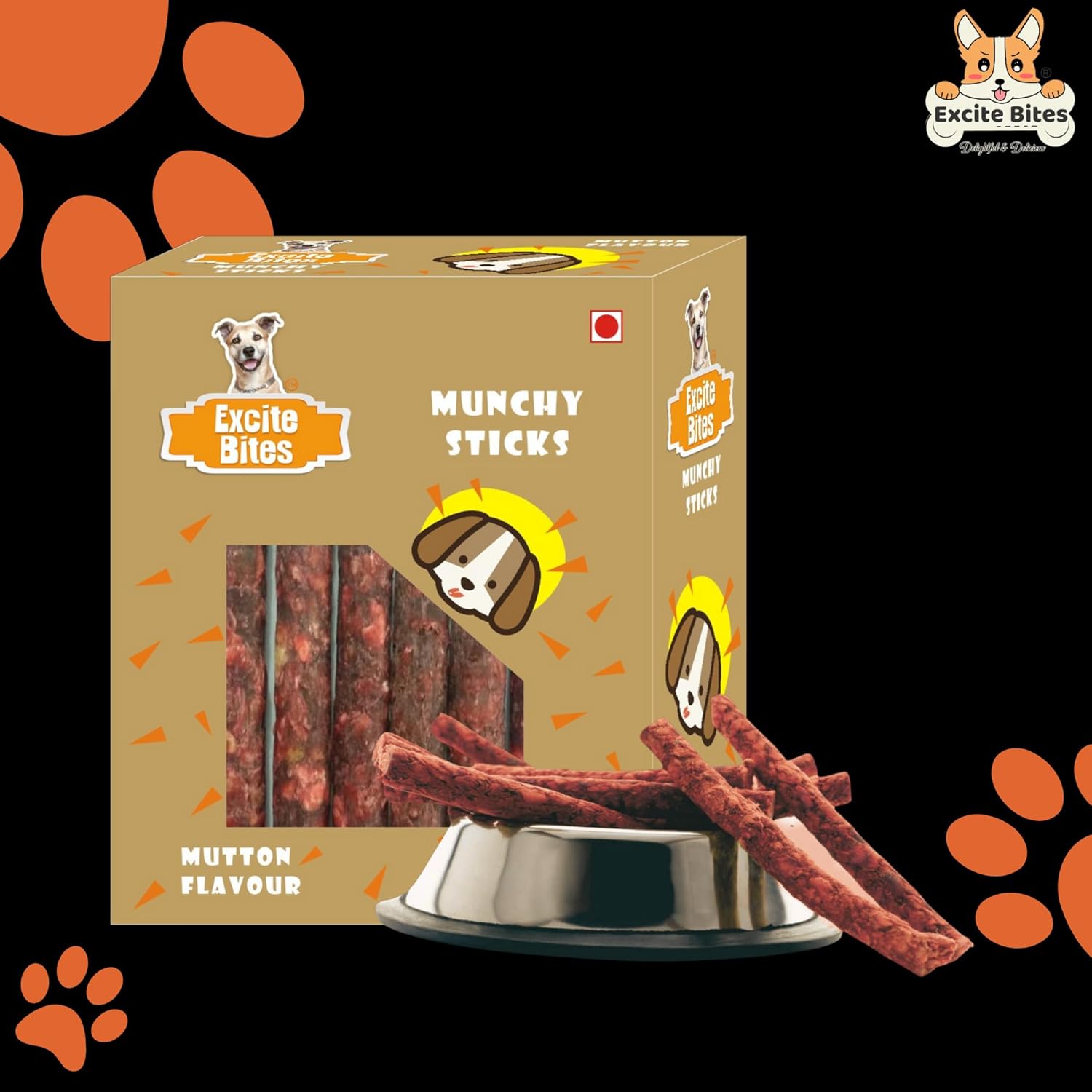
Choostix Chicken Stick Dog Treat: High protein, palatable, marketed for all life stages. Amazon India
-
Wiggles Barkstix (Chicken & Banana): Adds digestion support (oats, cumin), appealing flavor mix. Amazon India
-
SmartStix Vitamin‑Infused Protein Treats: Adds extra vitamins/minerals, targeting specific health benefits. Unleash Wellness
-
Natural & Minimal Ingredient Sticks: Brands that emphasize fewer fillers, more meat, less artificial additives – these are preferred by health‑conscious owners. (Referenced in natural treat benefits) bellaandduke.com
Tips for Marketing Dog Treat Sticks
If you are selling dog treat sticks, here are aspects to emphasize in your content/packaging:
-
Flavor and ingredients: “rich meat flavour,” “real chicken/beef/lamb,” “no artificial flavors” etc.
-
Texture / durability: how long the stick lasts, whether it helps with dental cleaning.
-
Nutritional content: protein, fat, calories per stick; transparency in ingredient listing.
-
Health claims: dental benefits, joint support, skin/coat health if applicable, gut health if prebiotic content.
-
Safety features: break‑size advice, chew size for small/large dogs, non‑toxic ingredients, safe processing (no harsh chemicals).
-
Packaging quality: moisture protection, resealable bags, freshness seal.
-
Ethical or environmental: if using natural ingredients, sustainable sourcing, or fewer artificial chemicals.
Conclusion
In summary, dog treat sticks are a versatile, tasty, and satisfying way to spoil your dog, reward them, and give them something to chew on. When chosen wisely and used wisely, they offer flavor, mental enrichment, and some dental benefits. The keys are selecting good quality sticks (safe ingredients, appropriate hardness, healthy protein/fat balance), using them in moderation (no more than ~10% of diet calories), and choosing types and sizes that match your dog’s size, age, dental health, and preferences. With good picks, dog treat sticks can become one of the favorite parts of your dog’s routine, something both you and your pup look forward to every day.
Risks & Considerations When Using Dog Treat Sticks
While dog treat sticks are a popular, enjoyable way to reward your pet, there are certain risks and things to watch out for. Being aware lets you pick safer options and prevent problems.
Rawhide Risks
Many dog treat sticks use rawhide or rawhide components. Although rawhide is durable and helps satisfy chewing instincts, it comes with risks:
-
Choking / Gastrointestinal Blockage: Rawhide can become soft, stringy, or break into large pieces that dogs may swallow. If large chunks are ingested, they may block the oesophagus, stomach or intestines. Dogster+2Dog Food Advisor+2
-
Variable Digestibility: Studies show that rawhide has wide variation in how well dogs digest it. Some rawhide treats remain largely undigested, which raises risk of impaction. Frontiers+1
-
Chemical Contaminants: The processing of rawhide often involves cleaning and bleaching, sometimes using harsh chemicals. These may remain in the final product. Veterinary Care at Your Fingertips+2Dogster+2
-
Dental Damage: Very hard rawhide treat sticks might cause fractured teeth, especially in puppies or older dogs. Dogster+1
Because many dog treat sticks include rawhide, it’s important to understand these risks and choose well.
Harmful Additives & Preservatives
Some manufacturer‑added substances intended to extend shelf life or improve appearance/flavor can be harmful. Key items to avoid in dog treat sticks include:
-
Artificial preservatives like BHA, BHT, ethoxyquin. These are often linked to long‑term health risks. DogBullySticks.com+1
-
High sodium nitrites/nitrates (used in curing or preservation) that might cause adverse reactions. Skipper’s Pet Products
-
Artificial colorants and strong synthetic flavorings: these can cause allergies or sensitivities.
-
Fillers, non‑nutritive starches, or fibers in excess: they may reduce the treat’s nutritional value, increase carbohydrate load, or interfere with digestion.
Overuse / Excess Calories
Because many dog treat sticks are energy‑dense, giving too many can lead to weight gain. Treats should ideally make up a small portion of the dog’s daily caloric intake (often <10‑15%). Monitoring portion sizes is essential, especially in less active dogs.







Reviews
There are no reviews yet.