Description
Dry Pet Shampoo for Cats: The Ultimate Guide to Waterless Feline Grooming
Caring for your cat’s coat is essential for their health, comfort, and happiness. But many cats dislike water, and frequent baths can dry their skin, disturb natural oils, or just be too stressful—for both cat and owner. That’s where dry pet shampoo for cats comes in. This waterless cleansing alternative has become popular for quick refreshes, between‑bath upkeep, and for cats with special grooming needs. In this guide, you’ll learn what dry pet shampoo for cats is, how it works, its benefits and drawbacks, what to look for, safety tips, and practical advice to use it effectively.
What is Dry Pet Shampoo for Cats?
Dry pet shampoo for cats refers to grooming products designed to clean and refresh a cat’s fur without needing a full bath or rinsing with water. These formulas may come as sprays, foams, powders, or mousses, all made so that after application you simply brush or wipe off the product and don’t rinse. The idea is to absorb oils, remove odors, lift dirt and debris, and give the cat a fresh, groomed appearance without the stress of water.
Dry pet shampoo for cats may contain:
-
Absorbent powders or starches
-
Mild surfactants or cleansing agents that are safe without rinsing
-
Soothing and moisturizing ingredients, like aloe vera, oatmeal, coconut or neem
-
Mild fragrances or odor neutralizers (but safe ones, or none for sensitive cats)
-
Potentially natural extracts or herbs to support skin health
These formulas are especially useful for cats who are water‑averse, elderly, have mobility issues, or live in places where frequent bathing is impractical.
Why Use Dry Pet Shampoo for Cats? Benefits
Here are key advantages of using dry pet shampoo for cats:
-
Convenience and Stress Reduction
Cats often dislike being bathed. Dry pet shampoo for cats removes the need for full wet baths, reducing struggle, anxiety, and mess.
-
Frequent Clean‑ups Without Harshness
Between baths, fur can accumulate dust, dander, odor. Dry pet shampoo for cats lets you clean regularly without stripping natural oils.
-
Ideal for Special Cases
For kittens, senior cats, those with injuries, or medical conditions where water bathing is not advised, dry shampoo offers a gentler option.
-
Time‑saving
Spray, foam, or powder formats let you freshen up fast—no drying time, less preparation.
-
Odor Control
Many dry pet shampoo for cats formulas include neutralizers or safe mild fragrances to counter smells from sweat, litter, or food.
-
Travel and Outdoor Readiness
When travelling, in small apartments, or in places with limited water access, dry pet shampoo for cats is very useful.
-
Helping Coat Appearance
Regular use can help manage shedding, reduce matting, leave coat softer and cleaner, especially for cats with longer fur.
What to Look for in Dry Pet Shampoo for Cats
Not all dry pet shampoo for cats are made equal. Because cats groom themselves (licking fur), what remains on the coat can be ingested, so safety is paramount. Here are features and criteria to look for:
| Feature |
Why it matters |
| Specifically formulated for cats |
Human or dog products may have pH, ingredients, or essential oils that are harmful to cats. Using something made for cats ensures better safety. Catster+2La Belle Paw+2 |
| Free from toxic ingredients such as certain essential oils, heavy fragrances, harsh detergents, alcohol, permethrin etc. |
Cats are sensitive; toxic substances can cause skin irritation, systemic problems. Catster+1 |
| Gentle, non‑drying base |
Ingredients like aloe, oatmeal, glycerin help maintain skin moisture. Dry pet shampoo for cats often includes soothing components. petroyale.in+2Amazon India+2 |
| Mild or no fragrance |
Cats have sensitive noses; stronger smells can stress them or trigger allergic/respiratory reactions. Safe or fragrance‑free formulations are preferred. The Environmental Literacy Council+2Amazon India+2 |
| Absorbent but not overly powdery / dusty |
Powders or sprays need to clean but not leave residues that irritate skin or eyes. Brushing off properly helps. |
| Instructions and warnings clearly stated |
Avoid eye contact; let product settle; brush off; ensure cat doesn’t ingest too much; follow contact guidelines. |
| Packaging that retains product condition |
Foams that don’t dry out, sprays that don’t clog, powders that stay fresh. Proper packaging keeps product effective. |
Ingredients to Avoid
Knowing what to avoid in dry pet shampoo for cats is critical. Some ingredients safe for humans or dogs are unsafe for cats because of differences in metabolism, skin sensitivity, grooming behaviour. Some of the known dangerous or problematic ingredients:
-
Permethrin / Pyrethrins / Pyrethroids – Often used for fleas in dog products; highly toxic to cats. Catster+1
-
Certain essential oils – Tea tree oil, eucalyptus, strong citrus oils, etc., can be harmful if ingested, inhaled, or absorbed. La Belle Paw+2PawPurity+2
-
Harsh fragrances, dyes, synthetic perfumes – Can irritate skin, eyes, respiratory tract. Catster+2Catster+2
-
Alcohol – Many alcohols dry out skin and coat; can sting especially if coat has breaks/wounds. La Belle Paw+1
-
Sulfates, strong detergents – These may strip oils, disrupt skin barrier, cause dryness or flakiness. The Environmental Literacy Council+1
-
Parabens, preservatives like formaldehyde releasers, etc. – Potentially harmful long‑term, may cause irritations or allergic reaction. Catster
Safety Considerations
Because cats groom themselves extensively, any product left on their coat may be ingested. Here are safety tips to minimize risk when using dry pet shampoo for cats:
-
Patch Test
Before first use, try a little on a small patch of skin to confirm no irritation develops after 24 hours.
-
Avoid Eyes, Inner Ears, Mouth
These are sensitive areas; avoid spraying or foaming directly near them.
-
Proper Application & Removal
After applying product, brush thoroughly to remove excess. Otherwise residues may irritate or be licked.
-
Watch for Signs of Reaction
Scratching, licking more than usual, redness, fur loss, odor, unusual behaviour—stop use and consult vet.
-
Use Products Marked Lick‑Safe or Ingestible Safety
Some dry pet shampoo for cats explicitly state safe if a cat licks themselves afterward.
-
Consult a Vet for Cats with Skin Conditions
If your cat has allergies, fungal or yeast issues, wounds, or skin disease, vet‑approved or medicated dry pet shampoo for cats may be needed.
-
Frequency
Don’t overuse. Even safe products can dry skin if used too often. Once in a while or when visibly needed is enough.
Possible Drawbacks & When It May Not Be Enough
Dry pet shampoo for cats is very useful, but it has limitations:
-
Not a Substitute for Full Bath When Needed
If a cat has very dirty fur, grease, fleas, or other heavy soiling, a wet bath or vet treatment may be necessary.
-
Residue and Build‑Up
Over time, residues from dry shampoo (especially scented or powder types) can build up, clogging follicles or causing dullness.
-
Less Effective on Very Long Fur without Proper Brushing
Long‑haired cats may still need more intensive grooming; dry shampoo helps but might not reach deep under layers.
-
Risk of Skin Dryness if Overused
Even gentler formulas can dry out skin if applied often without moisturisers.
-
Potential Allergy or Sensitivity
Every cat is different; what works for one may irritate another.
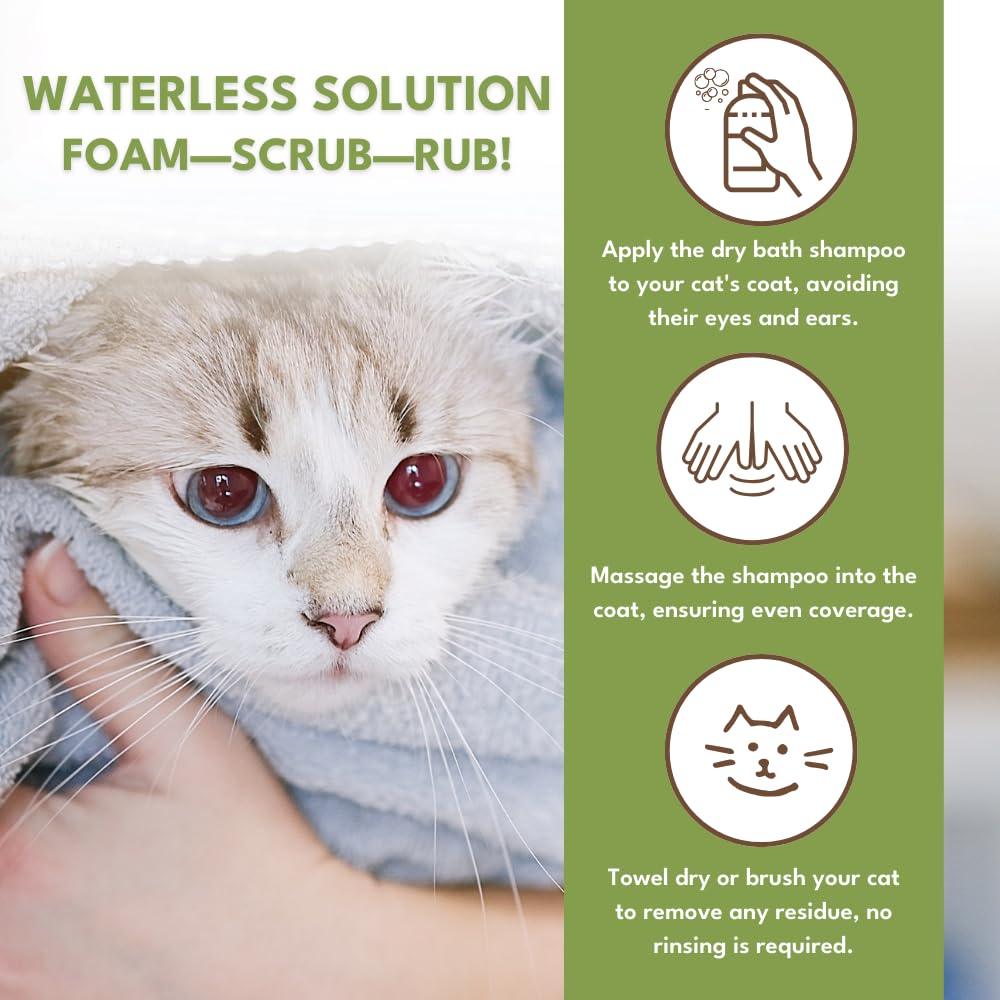
How to Use Dry Pet Shampoo for Cats: Step‑by‑Step Guide
Here’s a detailed procedure to get the best results with dry pet shampoo for cats:
-
Brush First
Remove loose fur, knots, dirt. This helps dry product sit better, reduces mess.
-
Apply the Dry Shampoo
-
If spray/foam: hold at a distance, mist or foam onto coat.
-
If powder: sprinkle lightly and massage in.
-
Avoid sensitive areas like face, underarms, ears.
-
Wait / Let it Settle
Leave product for specified time (often a few minutes) so it can absorb oils, dirt, odor.
-
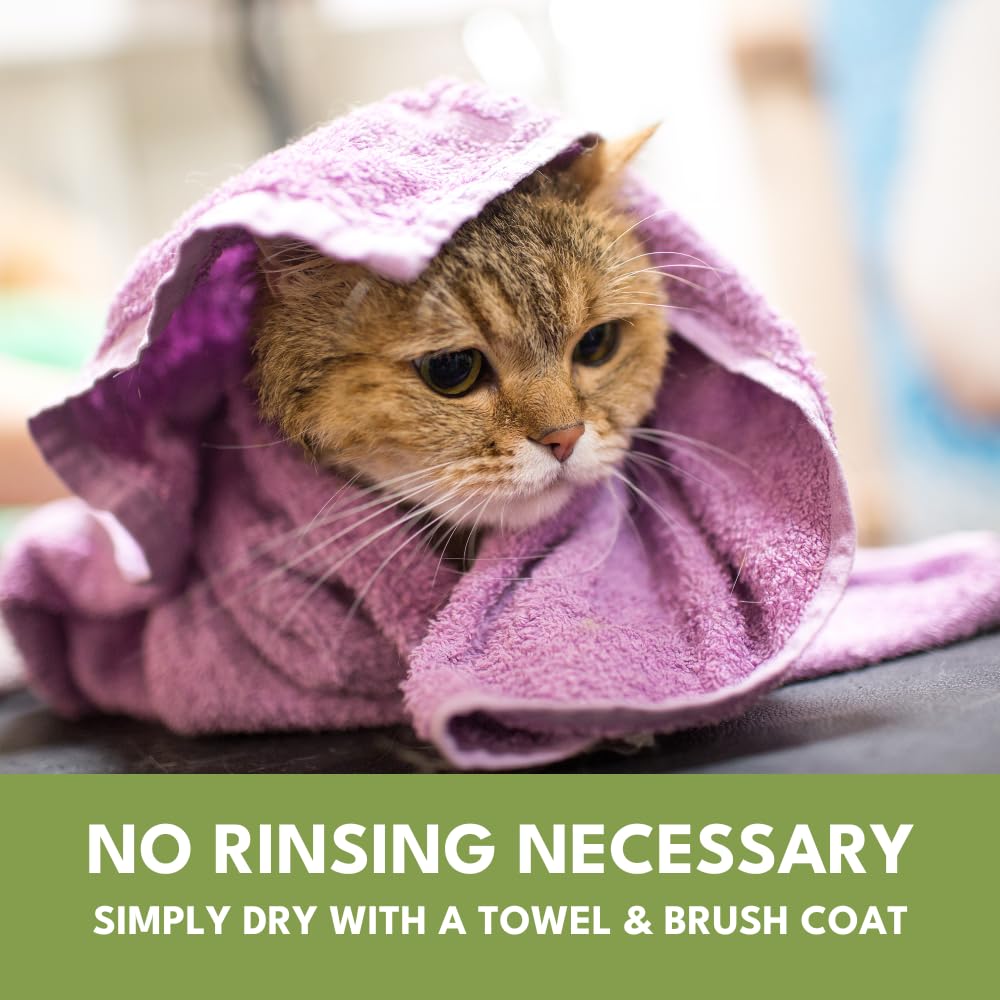
Brush or Wipe Off
Use a soft brush or towel to remove product and loosened debris. For powder types, brushing is important.
-
Finish With Grooming
After dry shampoo, brush fur, maybe use a pet‑safe conditioner or skin soothing balm if needed.
-
Observe Your Cat
Watch for lick‑cleanup; ensure your cat does not ingest harmful amounts. If needed, wipe sweaty or damp patches with clean towel later.
What to Check on Labels & Marketing Claims
When shopping for dry pet shampoo for cats, these claims/label elements help:
-
“For cats” explicitly – or “cat safe / cat‑formulated”
-
pH balanced for cats
-
No harsh chemicals – “sulfate‐free”, “alcohol‐free”, “paraben‐free”, “essential oil safe / no toxic essential oils”
-
Natural or plant‑based ingredients
-
Lick‑safe / ingestion considerations
-
Instructions for use and precautions clearly stated
-
Reviews or vet recommendations
Examples of Products & Indian Market Context
To illustrate what dry pet shampoo for cats looks like in practice, here are some examples and features you might see (especially in India):
-
Pets Empire Waterless Cat Shampoo (Aloe Vera + Lavender) — a spray dry shampoo product with sensitiveness to skin noted; alcohol‑free etc. Amazon India
-
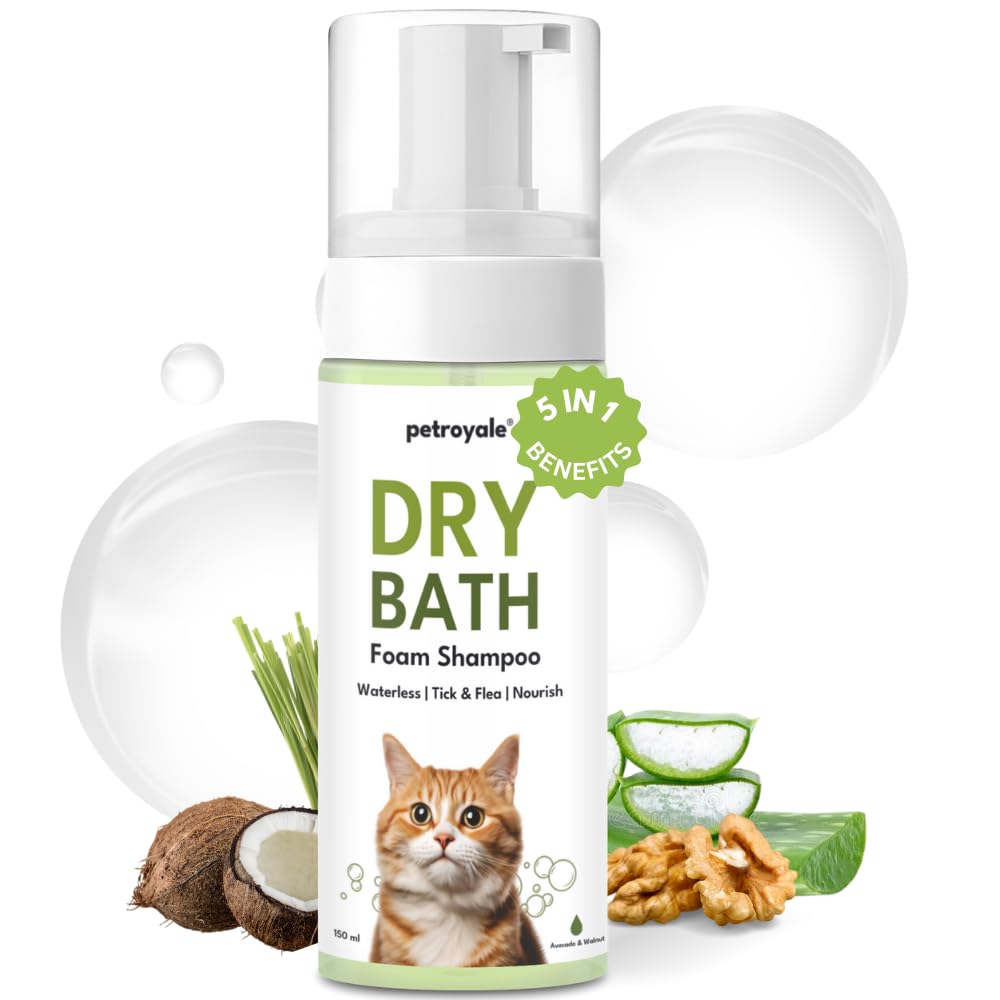
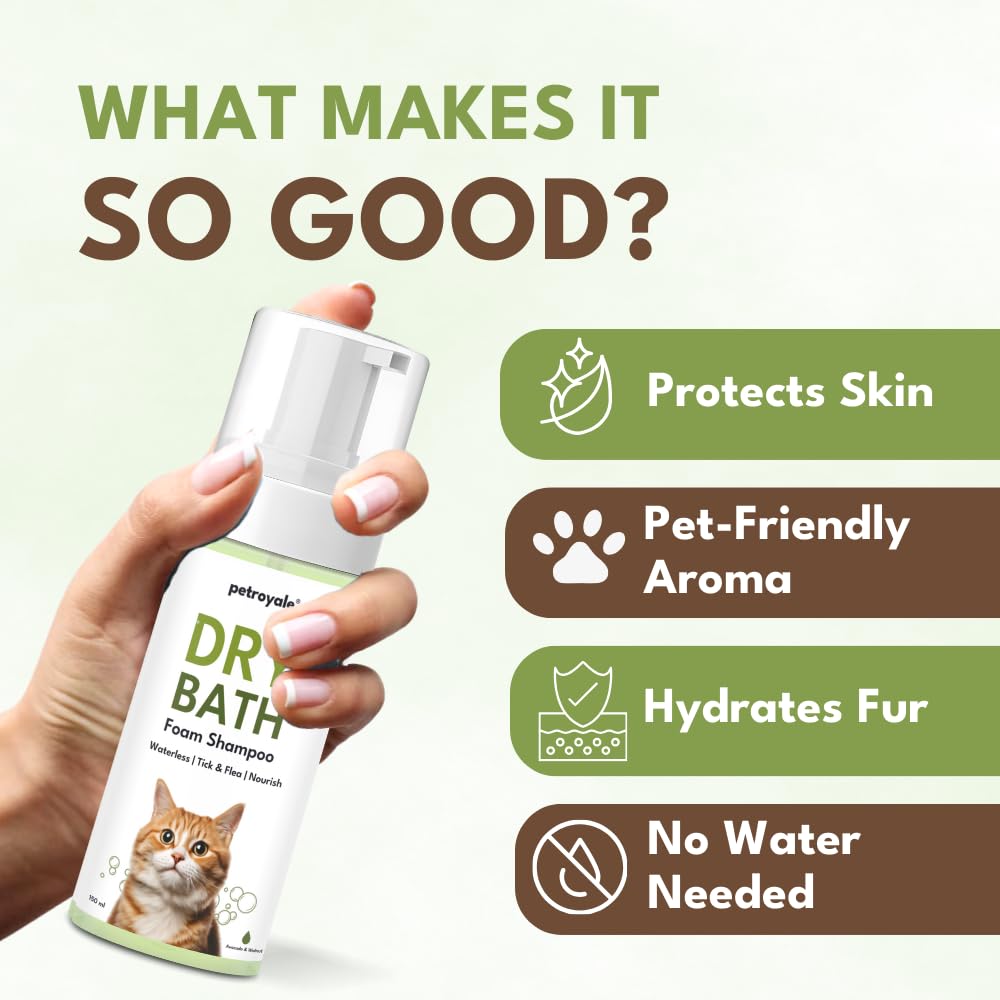
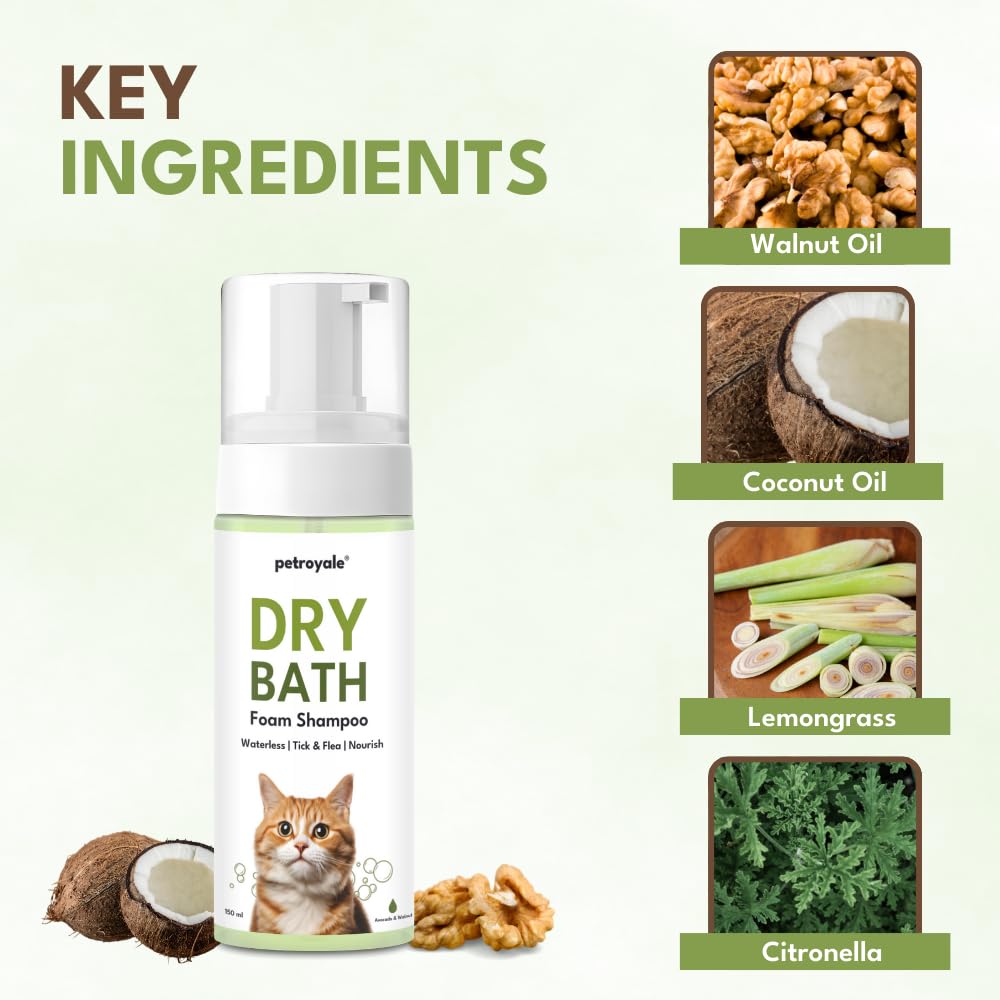
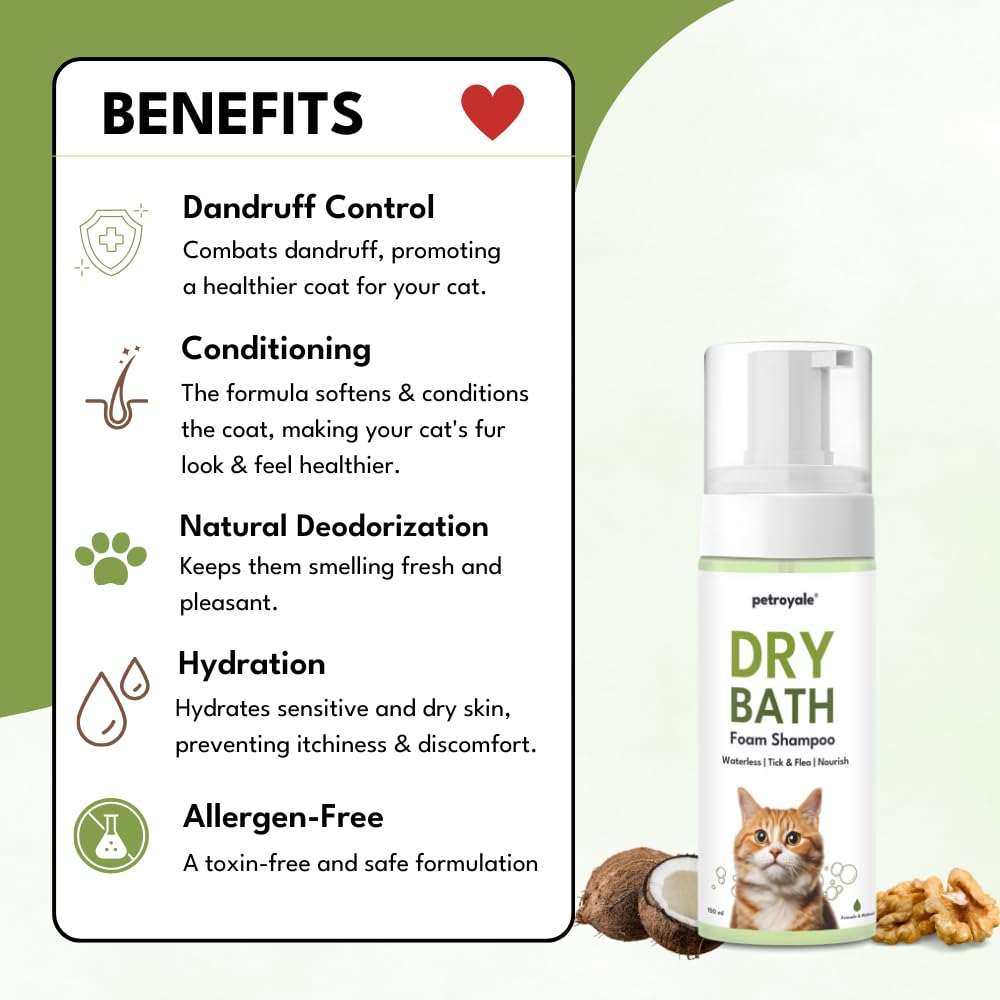
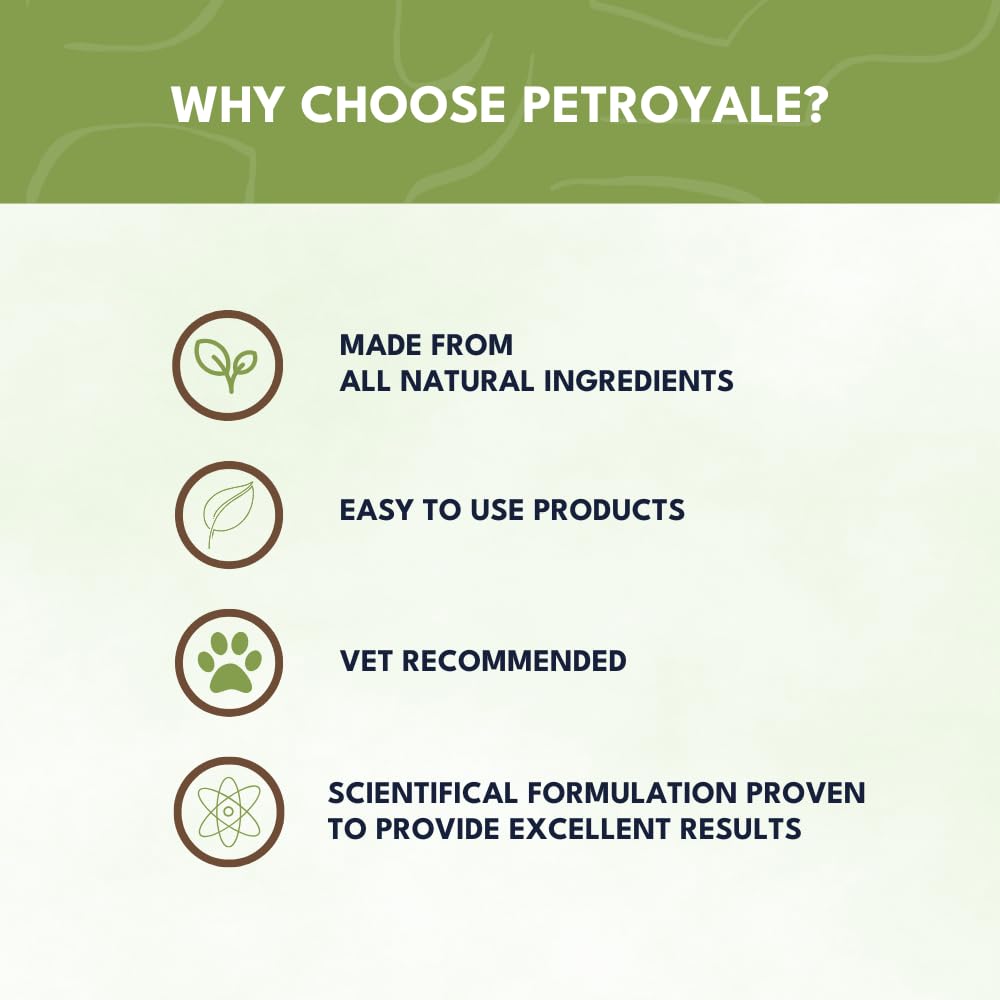
Petroyale Dry Bath Foam Shampoo for Cats — foam formula; uses natural extracts; good for all coat types; waterless type for quick renewal. petroyale.in
-
Pet Life Organic Dry Bath Shampoo for Cats — uses neem, lemon, vetiver and other natural / herbal ingredients; offers whitening or color enhancing, conditioning and anti‑itching effects. Flipkart
-
Unitailz Dry Bath Shampoo For Cats / Kitten — organic waterless spray, designed to refresh, deal with odour and dandruff; safe for all cat breeds; free of harsh chemicals. Amazon India
These Indian products indicate dry pet shampoo for cats is being adopted; local climate, ingredient availability, cultural preferences (herbal extracts, pleasant but mild scents, etc.) play a role in formulation choices.
How to Fit Dry Pet Shampoo for Cats Into a Grooming Routine
Here are ideas how often and when to use dry pet shampoo for cats:
-
After small outdoor excursions, playtime where dust or dirt got in fur
-
Before vet visits, shows, social events, or when fur needs freshening up quickly
-
On days when bathing is not possible (weather, mobility, health)
-
For regular weekly or bi‑weekly grooming maintenance in between full baths
-
For elderly or less mobile cats, to reduce bathing stress
Frequently Asked Questions (FAQs)
Q: Is dry pet shampoo for cats safe if the cat licks itself after use?
A: If the product is cat‑formulated, non‑toxic, and marked lick‑safe, occasional licking is usually okay. But ingestion of large amount of residue, or strong fragrances or toxic ingredients can be harmful. Always brush off excess. Also safe when label indicates safety. Catster+1
Q: Can I use dog dry shampoo on my cat?
A: No, generally not recommended. Dog products may include ingredients toxic to cats, or formulations that are not skin pH‑safe for cats. Using dog dry shampoo can risk irritation, allergy, or worse. La Belle Paw+1
Q: How often should I use dry pet shampoo for cats?
A: It depends on the cat’s lifestyle, coat type, skin sensitivity. For many cats, using it weekly or every few days for spot cleaning is sufficient. Overuse may dry skin. Observe fur, skin health, adjust frequency.
Q: What format is best — spray, foam, powder?
A: It depends on coat, convenience, and what your cat tolerates. Sprays are easy and less messy; foams may be good for longer or denser fur; powders can absorb oil well but need careful brushing. Choose according to your cat’s fur and your own ease of use.
Q: What about cats with sensitive or allergy‑prone skin?
A: For those cats, choose dry pet shampoo for cats with minimal ingredients list, no strong fragrance, free from known irritants, possibly vet approved. Perform patch test first.
Q: Can kittens use dry pet shampoo for cats?
A: Yes, provided the product is safe for young cats / kittens, gentle, mild, and free from harsh chemicals. Avoid strong essential oils, heavy scents. Use a small amount, and be extra gentle.
Summary & Best Practices
To wrap up, here are key takeaways for using dry pet shampoo for cats well:
-
Choose a product specifically designed for cats, free from toxic or irritating ingredients.
-
Use dry pet shampoo for cats when bathing is difficult or stressful—spot cleaning, between full baths.
-
Always follow instructions: apply properly, let settle, remove residue. Brush well.
-
Don’t overuse; let skin rest when possible.
-
Be aware of your cat’s individual skin and coat needs. What works for one may not work for another.
Additional Insights & Considerations for Dry Pet Shampoo for Cats
Science & Safety Updates
-
The Environmental Literacy Council states that dry shampoo for cats works by absorbing excess oils and dirt with powders (like cornstarch) so that brushing removes grime. But it isn’t a full replacement for a bath if the cat is very dirty, oily, or matted. The Environmental Literacy Council
-
Safety concerns include skin sensitivity, ingestion risks (since cats groom themselves), and potential irritation. Products made specifically for cats (“cat‑formulated”) are safer. furrygroom.com+2Hepper Pet Resources+2
-
It’s safer to avoid human dry shampoos. Human products often include alcohol or ingredients not safe for feline ingestion or skin. Hepper Pet Resources+1
More Examples from Indian Market
These are examples of products in India that use or offer dry pet shampoo for cats, showing what features people expect, and providing real‑case benchmarks:
| Brand / Product |
Features & Ingredients |
What It Tells Us about Good Dry Pet Shampoo for Cats |
| Petlogix Natural Feline Dry Cat Shampoo |
Aloe vera + chamomile; vet‑recommended; no harmful alcohol; gentler on itchy or sensitive skin; spray/mousse form. Petlogix |
Good dry pet shampoo for cats should be mild, have soothing botanicals, alcohol‑free, and vet‑endorsed. |
| Pet Life Organic Dry Bath Shampoo for Cats |
Neem + lemon, anti‑fungal, antibacterial, for all breeds, anti‑itching. Flipkart |
Natural / herbal components are valued. A good dry pet shampoo for cats often combines aroma + functional benefit (e.g. anti‑fungal, anti‑odor). |
| Pawsh Natural Purrfect Cat Dry Shampoo |
Oatmeal, Omega‑3 & ‑6, chamomile; pH balanced, SLS‑free, paraben‑free. Amazon India |
Hypoallergenic and no‐harsh chemicals are major selling points in a dry pet shampoo for cats. |
| Pets Empire All Natural Dry Shampoo for Cats |
Detergent & alcohol free; lavender scent; hypoallergenic; for between baths use. Flipkart |
Scented variants are okay if mild and safe; people like a fragrance but not if it’s harsh. Also value for multi‑use (bed, upholstery, etc.). |
| Unitailz Dry Bath Shampoo For Cats / Kitten |
Lemon, neem, shikakai, vetiver; anti‑dandruff, antibacterial; no rinse. Amazon India |
Herbal ingredients (neem, vetiver) are quite common in Indian formulations of dry pet shampoo for cats, reflecting local preferences. |
Best Practice Use & Frequency
-
Use dry pet shampoo for cats sparingly. Weekly or less often is usually enough unless there are special issues like skin problems or heavy soiling. Overuse can cause buildup and dryness. The Environmental Literacy Council+2Hepper Pet Resources+2
-
Always brush thoroughly after applying dry pet shampoo for cats to remove residue. Not brushing well can leave particles in fur that look dull or cause irritation. PurrfectlyUs+1
-
When spraying forms: avoid spraying directly on face or eyes. Instead, spray on hand or towel and rub in, or spray from a distance. For powders, apply gently, avoid inhalation or dusting. The Environmental Literacy Council+1
Homemade Alternatives or Emergency Options
-
If commercial dry pet shampoo for cats isn’t available or as a supplement, some pet parents use mixtures like cornstarch, arrowroot powder, and finely ground oats. These absorb oils lightly and can be brushed out. PangoVet+1
-
But DIY options must be very finely ground, free from fragrances or irritants, and only used sparingly. Also risk of inhalation or ingestion must be managed carefully. PangoVet+1
Potential Risks, What to Watch For
-
If your cat has existing skin conditions (dermatitis, fungal/bacterial infections, wounds, scabs), using dry pet shampoo for cats may not be enough; might require a vet‑prescribed treatment. The Environmental Literacy Council+1
-
Watch for signs of irritation: increased licking, scratching, redness, fur loss, foul odor. If seen, discontinue and consult vet. furrygroom.com+1
-
Product residue buildup can block follicles, trap debris, reduce fur shine. Brushing and use of water or damp cloth cleans may be needed occasionally. furrygroom.com+1
Where Dry Pet Shampoo for Cats Fits in Grooming Routine
-
Use between full baths: say you bathe your cat every 4‑6 weeks; in between, dry pet shampoo for cats helps manage odor, oil, shedding. The Environmental Literacy Council+1
-
Use after indoor dust accumulation, or when your cat has gotten into something lightly dirty but bathing is inconvenient.
-
For senior or mobility‑restricted cats: dry pet shampoo for cats helps maintain hygiene without stressing them or overexposing to water.
-
When travelling, or during cold or hot weather when bathing is harder.
Market Trends & Demand
-
In India, there is rising demand for organic / herbal / chemical‑free grooming products, including dry pet shampoo for cats. Pet owners want safer formulations and easier, less messy grooming. IMARC Group+2Petlogix+2
-
E‑commerce is a key driver: people buy these grooming products online, often relying on reviews, brand claims (“no‑harsh chemicals”, “pet safe”, “cat formulated”). IMARC Group
-
Local ingredients/herbs (neem, lemon, aloe, shikakai, vetiver etc.) are popular, both for cultural familiarity and marketing (ayurvedic / herbal cues). Products like Pet Life, Unitailz etc. use these. Flipkart+2Amazon India+2




Reviews
There are no reviews yet.