Description
The Complete Guide to Chicken Breast for Dogs & the Power of Dog Treat Chicken
When it comes to spoiling your pup, few things hit the spot better than chicken. Chicken breast for dogs is one of the most popular lean protein sources you can include in your dog’s diet. And when prepared and used appropriately, dog treat chicken is not only tasty, but also incredibly beneficial. This guide will dive into what makes chicken breast so good for dogs, how to include it safely, how to transform it into healthy treats, what to watch out for, and how to balance it in a full diet.
What Is Dog Treat Chicken?
Dog treat chicken refers to chicken portions (especially breast, sometimes lean meat) prepared and used primarily as a treat, reward, or supplemental food rather than a base diet. It can be cooked, dehydrated, baked, or dried — always with safety and nutritional balance in mind. It’s different from complete dog food in that it generally does not provide all required nutrients, but when used wisely, it enhances diet, increases palatability, and supports training and positive reinforcement.
Nutritional Value of Chicken Breast for Dogs
Chicken breast is especially valued because of its high protein content, low fat (especially if skinless), and its relative ease of digestion. Here are some key nutritional benefits:
-
High quality protein: Chicken breast supplies essential amino acids needed for muscle growth, repair, metabolic functions, and maintaining lean body mass.
-
Low fat content: Without skin and with appropriate cooking, chicken breast is lean, helping to avoid unnecessary calorie or fat load.
-
Vitamins & Minerals: Chicken provides B vitamins (B3 – niacin, B6), phosphorus, selenium, and trace minerals. These support energy metabolism, immune function, nerve function, etc. Veterinary Care at Your Fingertips+1
-
Digestibility: For many dogs, chicken breast is easier to digest than heavier meats or strongly flavored foods. This also makes it a good choice for sensitive stomachs.
Because of all that, dog treat chicken made from chicken breast is often one of the first treats pet owners reach for when training, reinforcing good behavior, or adding flavor to food.
How Much Chicken Breast Should Be Fed (for Meals and Treats)
Incorporating dog treat chicken or chicken breast into your dog’s feeding plan requires attention to amount and frequency. Over-feeding can lead to weight gain; under‑feeding may leave nutritional gaps.
Some guidelines:
-
Many sources suggest that chicken or chicken breast portions (cooked, unseasoned, boneless) make up no more than about 10% of your dog’s daily caloric intake if used as a treat or supplement. Houndsy+1
-
For boiled chicken breast, a common serving is ~ ¼ to ⅓ cup per 20 pounds of body weight when used as part of a balanced diet or as an occasional topper. The Doggie’s Deli+1
-
For small dogs (under ~20 lbs), this might translate into 1‑2 tablespoons of chicken breast per day when used as treat; for medium dogs, proportionally more; for large breeds, still keeping treat chicken / chicken breast portions in moderation. The Canine Appetite+1
Always observe your pet: weight, stool quality, energy level, and adjust accordingly. Excess chicken breast or dog treat chicken used as primary food without balancing other nutrients can lead to deficiencies.
Safe Preparation of Chicken Breast & Dog Treat Chicken
To make dog treat chicken safe and beneficial, following correct preparation is crucial:
-
Cook thoroughly. Chicken must be cooked to eliminate harmful bacteria (like Salmonella, Campylobacter). Raw chicken has risks. Petnurtury+1
-
Remove all bones (especially cooked bones) and skin. Bones can splinter and cause choking or internal damage; skin adds fat and may cause digestive upset or increase risk of pancreatitis. Vetnoms+2Veterinary Care at Your Fingertips+2
-
No seasonings: Avoid salt, garlic, onion, sauces, marinades, spices. Even modest additions may be toxic or irritating. Plain, unseasoned chicken breast is best. Veterinary Care at Your Fingertips+1
-
Cut in appropriate sizes: Small, bite‑sized pieces help especially in training or with small dogs; avoid large chunks that could be choking hazards.
-
Proper storage: Once cooked, dog treat chicken should be cooled, stored in fridge if going to use in short term; if dehydrated or preserved properly, store in dry, airtight container.
Types of Dog Treat Chicken (Forms & Uses)
There are several ways to prepare dog treat chicken from chicken breast or other lean chicken parts. Here are common forms and contexts of use:
-
Cooked / boiled / grilled plain chicken breast: chopped or shredded; used as toppers or mixed with regular food.
-
Dehydrated chicken breast strips or jerky: Low moisture, chewy; good for longer‑lasting treats or rewards.
-
Freeze‑dried chicken treats: Freeze‑drying preserves flavor and nutrients with minimal processing; breaks easily into smaller pieces.
-
Baked chicken crisps or chips: Thin slices baked slowly to get crispy texture; can serve as low‑calorie chew snacks.
-
Chicken bites blended with other safe ingredients: For example, dog treat chicken mixed with veggies or rice (safe cooked), then formed into small treats.
Each form has its own pros & cons in terms of texture, calorie density, ease of chewing, storage, etc.
Benefits of Dog Treat Chicken
Using chicken breast as dog treat chicken provides a number of advantages:
-
High palatability: Many dogs love chicken; treats made from chicken breast are excellent motivators for training and positive reinforcement.
-
Lean protein source: Helps in muscle maintenance, especially for active dogs, growing pups, or those recovering from illness or injury.
-
Low fat (with skin removed): Good for dogs who must avoid weight gain or manage pancreatitis risks.
-
Supports coat & skin health: With amino acids, vitamins, and minerals found in chicken, particularly B vitamins and zinc.
-
Digestive benefits: For dogs that may have trouble with complex or heavy foods, chicken breast is often gentler.
-
Flexibility of use: Dog treat chicken can serve as reward, motivational tool for training, thawed or rehydrated, or mixed with regular food to increase flavor.
Potential Risks / What to Watch Out For
While dog treat chicken is great, it’s not perfect or risk‑free. Here are things to be cautious of:
-
Allergies / sensitivities: Some dogs are allergic to chicken or develop intolerance. Watch for skin issues, digestive upsets (vomiting, diarrhea), scratching, etc.
-
Bacterial contamination: Raw chicken is especially risky. Improper handling, undercooking, or cross‑contamination can lead to illness. Petnurtury+1
-
Nutritional imbalance: Feeding only or too much chicken breast without other nutrients (like calcium, vitamins, minerals, fats) can result in deficiencies. Some nutrients are not present in high amounts in just chicken breast. Petplace+1
-
Excess calories / weight gain: Even lean chicken adds calories; frequent treats or large portions can lead to obesity.
-
Choking hazards: Especially if chicken treat chicken is in large chunks, tough jerky, or poorly prepared dried form.
-
Bone risks: Cooked bones are dangerous (splintering). Raw bones also have risks if not properly handled. Best avoid bones unless specifically advised by vet.
How to Use Dog Treat Chicken Wisely
Here are practical tips and strategies to integrate dog treat chicken into your dog’s routine:
-
Use it as training reward: Break into small pieces so the dog gets many rewards without too many calories.
-
Food topper: Sprinkle or mix cooked chicken breast into regular dog food to improve flavor, especially useful for picky eaters or when transitioning food.
-
Occasional treat: Use for treats between meals rather than replacing full meals.
-
Rotational protein: If you alternate with other proteins (beef, fish, lamb) it may help reduce risks of food allergy build-up.
-
Monitor health indicators: Check stool condition, weight, coat condition, energy level. If anything seems off, reduce or change treat chicken usage.
Portion Recommendations by Dog Size
To help you estimate how much dog treat chicken is appropriate, here are suggested portion sizes (for cooked, plain chicken breast) based on dog size. These are approximate and should be adapted depending on your dog’s activity level, overall diet, and health.
| Dog Size / Weight |
Approx Daily Treat Chicken Portion |
| Extra‑Small (2‑10 lbs) |
~1‑2 tablespoons chicken breast per day as treat or topper |
| Small (10‑30 lbs) |
~2‑4 tablespoons chicken breast per day |
| Medium (30‑60 lbs) |
~¼ cup cooked chicken breast or equivalent in chopped/diced treat pieces |
| Large (60‑90 lbs) |
~⅓ cup cooked chicken breast, or appropriate number of treat pieces depending on calorie density |
| Very Large / Working Dogs |
Portions may go higher, but still keep dog treat chicken to under ~10% of daily calories unless diet is specially formulated |
These estimates align with guidance in multiple sources. Houndsy+2The Doggie’s Deli+2
Examples of Good Products / Chicken Treats
Here are real‑world examples of dog treat chicken items (chicken breast or similar) you might find or compare with, to understand quality features:
-
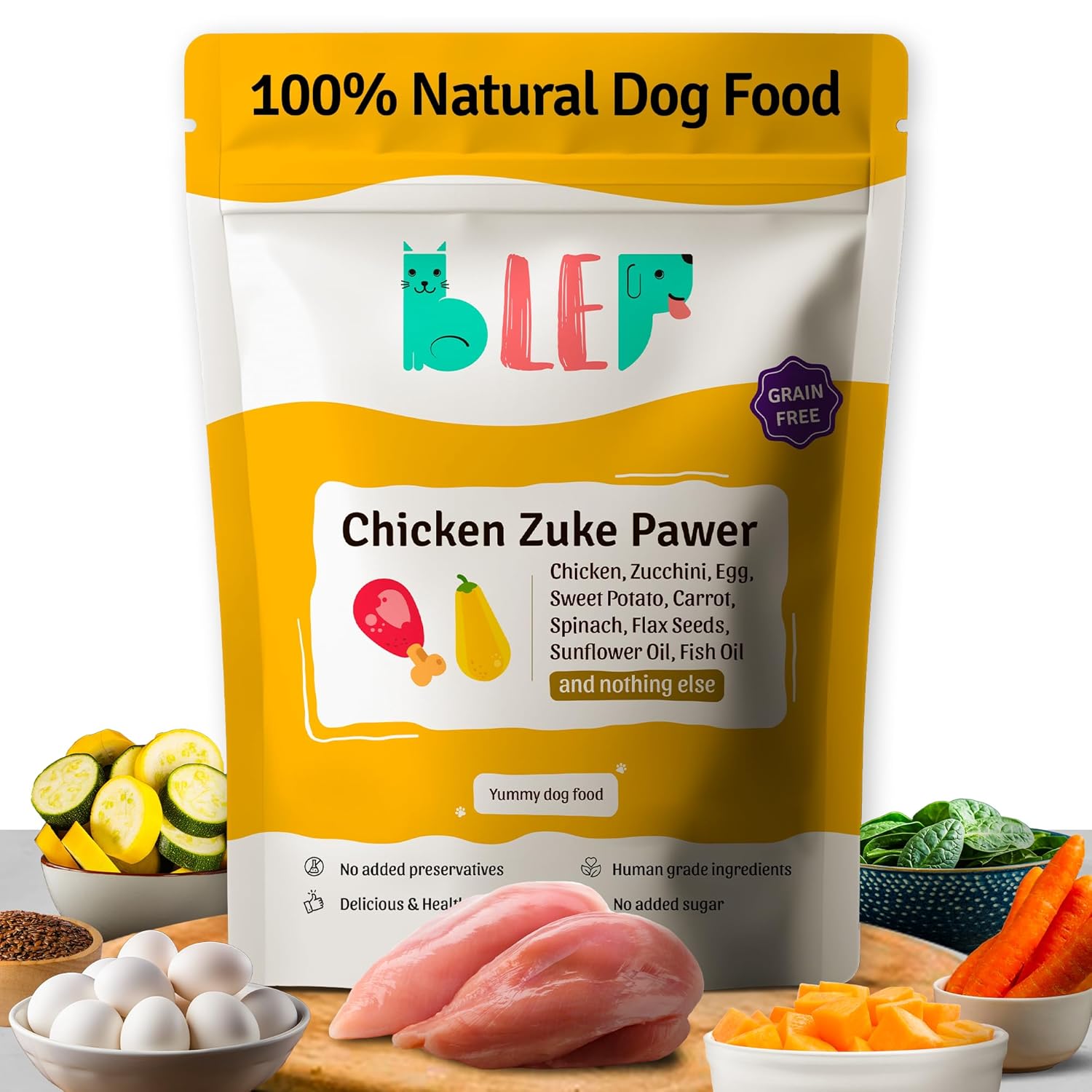
Raw Rewards Soft Chicken Breast Dog Treats — These are soft chicken breast treats made for training. They highlight high protein, natural ingredients, and minimal processing. Amazon India
-
Chicken Crisp / Dehydrated Chicken Breast Chips — Snacks made from chicken breast that have been dehydrated or baked to provide crunchy texture. These make satisfying treats and chew rewards. Tyson’s Kitchen+1
-
Natural Chicken Breast Fillet Treats — 100% chicken, no preservatives, often high protein, low fat. Good for dogs that crave meat without fillers. Dogs’ Natural Choice
These products serve as benchmarks: what to look for (ingredient clarity, minimal additives, proper preservation).
Meal vs Treat: Can Chicken Breast Be a Full Meal?
Some pet parents wonder if dog treat chicken or chicken breast alone can replace full dog food meals. The answer is: only under certain conditions and with supplementation.
-
Chicken breast by itself is NOT a complete diet. It lacks sufficient amounts of certain vitamins, minerals (especially calcium if no bones or supplements), fats (especially omega‑3), fiber, etc. Petplace+1
-
If used in home‑cooked diets, you need to balance with vegetables, safe starches, fats, and/or vet‑approved supplements.
-
Commercially prepared dog foods are formulated to meet all nutritional needs (AAFCO, etc.). Best practice is to use chicken breast or treat chicken as a supplement or treat, not the entire diet (unless the home diet is properly formulated with guidance).
Tips for Buying High‑Quality Chicken Treats
When choosing pre‑made dog treat chicken products, these are good criteria to check:
-
Ingredient list: Should feature chicken (or chicken breast) as the first ingredient; minimal fillers, no artificial colors, preservatives, or flavorings.
-
Protein content: High protein relative to fat and moisture.
-
Manufacturing standards: Reputable brands, transparency, possibly nutritional analysis or certification.
-
Texture and size: Appropriate for your dog’s size; chewable but not choking‑hazardous.
-
Shelf life & preservation: Dehydrated, freeze‑dried items last longer; cooked items may need refrigeration.
-
Country of origin / sourcing: If possible, pick brands that use quality chicken, safe poultry, antibiotic‑free etc.
Safe Practices & Hygiene
To avoid risks when preparing or handling dog treat chicken:
-
Wash hands, utensils, surfaces after handling raw chicken.
-
Use separate cutting boards for raw chicken to avoid cross‑contamination.
-
Refrigerate or freeze cooked chicken if you won’t use it immediately.
-
Thaw frozen treats/chicken in fridge, not at room temperature.
-
When feeding treats, supervise your dog to avoid choking.
Recipes / Homemade Ideas for Dog Treat Chicken
Here are simple ideas if you want to make dog treat chicken at home:
-
Plain Boiled Chicken Bites: Boil skinless, boneless chicken breast, cool, cut into small cubes. Freeze one batch for daily use.
-
Baked Chicken Strips: Slice chicken breast into strips, bake at low temperature until crisp. No oil, no seasoning.
-
Dehydrated Chicken Jerky: Slice thinly, dehydrate in oven or dehydrator until dry but not burnt. Store in airtight container.
-
Chicken & Veggie Mix: Cook chicken breast, mix with dog‑safe cooked vegetables (pumpkin, carrot), mash lightly, portion into small treat shapes and bake.
Make sure all ingredients besides chicken are safe for dogs.
Frequently Asked Questions (FAQs)
Q: Can I feed raw chicken breast as dog treat chicken?
A: Raw chicken poses risk of bacterial contamination. Unless you are experienced, confident in sourcing, preparing, and storing raw diets, it is safer to give cooked or properly preserved treat chicken. Always consult your vet. Petnurtury+1
Q: Is chicken breast safe for puppies?
A: Yes, cooked, boneless, skinless chicken breast can be safe in small, appropriately sized pieces for puppies. But diet balance is especially important for puppies, so treat chicken should complement a full puppy diet.
Q: What if my dog is allergic to chicken?
A: Some dogs do have allergies or sensitivities to chicken. If you see itching, skin reactions, or digestive upset, stop feeding chicken and consult a vet for alternatives.
Q: Can cooked bones be included with chicken treat chicken?
A: No. Cooked bones, including chicken bones, can splinter and cause choking or injury. Always avoid feeding cooked bones.
Q: How often can I give chicken treat chicken?
A: Moderation is key. Often as training rewards, or a few times per week. Not every meal unless the diet is formally balanced. Keeping treats to under ~10% of daily calories is a good rule of thumb.
Sample Daily Plan Including Dog Treat Chicken
To illustrate how dog treat chicken can be integrated into a balanced day for a medium‑sized adult dog (~20‑25 kg), here’s a sample:
-
Morning meal: Balanced commercial dog food (provides baseline protein, fats, vitamins)
-
Midday training session: A few small pieces of chicken breast as treats (dog treat chicken), broken up into tiny bits
-
Evening meal: Dog food + topping of cooked chicken breast (~2 tablespoons)
-
Snack: Dehydrated chicken strip as occasional treat
Ensure fresh water is always available. Monitor body weight weekly; if gaining too fast, reduce treat chicken slightly.
Summary: Key Takeaways
-
Dog treat chicken made from cooked, boneless, skinless chicken breast is a lean, high‑quality protein source that dogs love.
-
Use it for treats, toppers, training rewards, not as sole nutrition unless balanced.
-
Limit the amount so that treat chicken contributes less than ~10% of total caloric intake.
-
Always prepare safely: cook thoroughly, remove bones/skin, avoid seasoning.
-
Monitor your dog’s reaction: health, stool, weight, coat condition.
-
Choose quality pre‑made treats or make your own using safe, minimal ingredients.
Using Dog Treat Chicken for Special Diets & Health Conditions
Chicken breast can be particularly valuable in special dietary situations. Many veterinarians recommend dog treat chicken as part of a bland diet during times of gastrointestinal upset. When your dog experiences vomiting or diarrhea, bland, lean proteins like plain chicken breast (along with boiled rice or pumpkin) can help settle the stomach while providing essential nutrients.
For dogs recovering from surgery or illness, chicken is often one of the few proteins they’re willing to eat. That’s because dog treat chicken is both easy to chew and highly palatable. Its soft texture makes it ideal for seniors with dental issues or dogs recovering from dental procedures. In these cases, shredded or boiled chicken breast can be used as a soft, nutritious topper over wet food or specialized recovery diets.
For dogs with pancreatitis or on low-fat diets, chicken breast is often a recommended option—especially when skinless and properly trimmed. The low-fat nature of chicken breast reduces the risk of triggering inflammation in the pancreas, a common concern for breeds prone to this condition like Miniature Schnauzers and Yorkshire Terriers. However, even in these cases, dog treat chicken should be used under veterinary guidance to avoid nutritional imbalances.
Enhancing Mealtime with Dog Treat Chicken
One of the easiest ways to make meals more exciting is to mix in a small amount of dog treat chicken. Many dogs become disinterested in their regular kibble over time. A spoonful of finely shredded chicken breast mixed in can reignite their appetite. This is especially helpful for picky eaters or senior dogs who may not eat as enthusiastically as they once did.
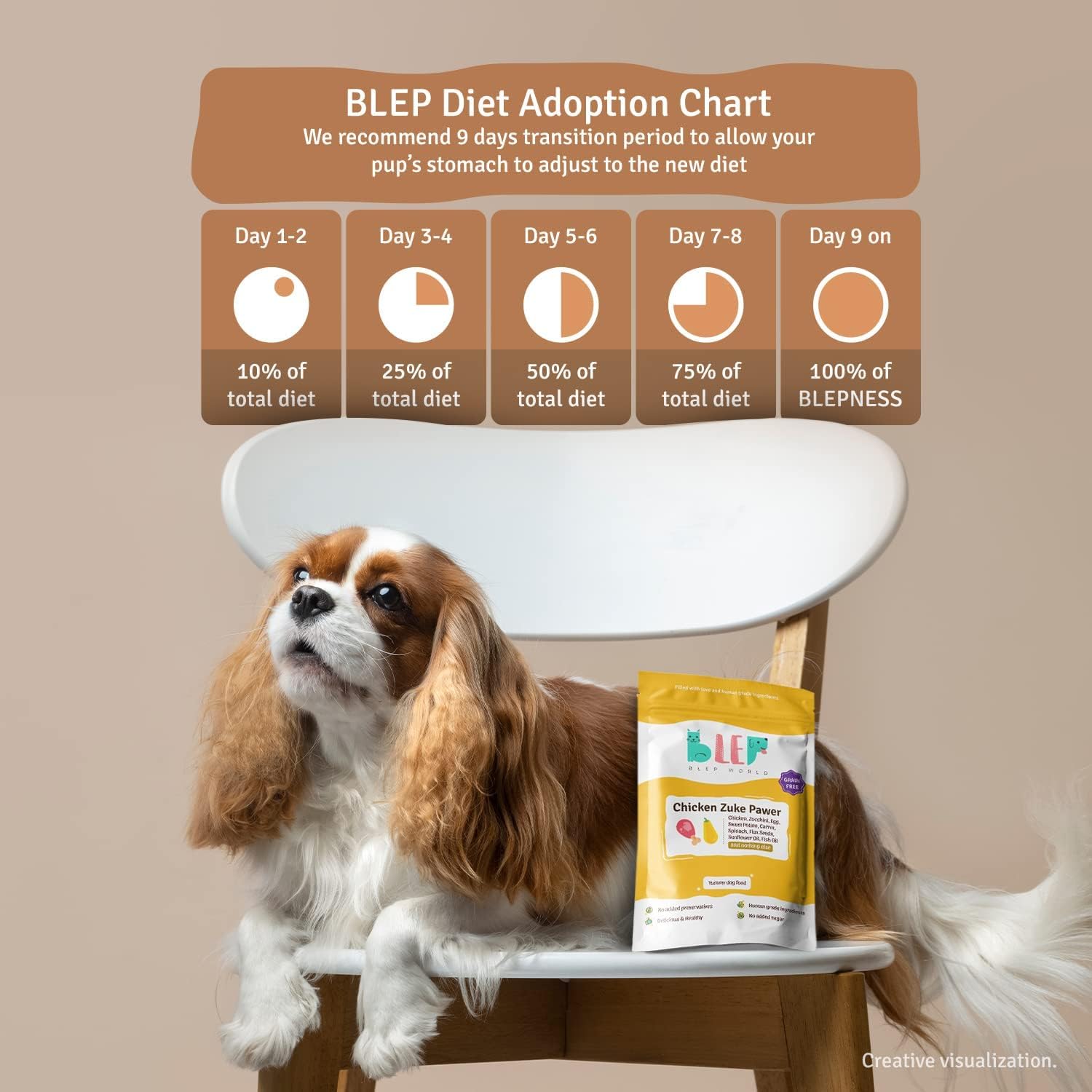
Moreover, if you’re transitioning to a new food and your dog is resisting, topping the meal with a small portion of chicken breast can ease the process. Dog treat chicken can act as a bridge between familiar flavors and new ones, making dietary transitions smoother and less stressful for both the dog and the owner.


Reviews
There are no reviews yet.