Description
Rubber Ball for Dog: The Ultimate Guide to Fun and Exercise
Introduction to Rubber Balls for Dogs
Dogs are naturally active and playful animals. A rubber ball for dog provides the perfect outlet for energy, helping your pet stay fit, healthy, and happy. Designed for fetch, chewing, and solo play, rubber balls are versatile toys that engage both body and mind.
Rubber balls for dogs come in various sizes, textures, and designs suitable for puppies, adult dogs, and senior dogs. In this guide, we’ll explore everything you need to know about rubber balls for dogs, including types, benefits, safety, and selecting the right ball for your furry friend.
Why Rubber Balls Are Essential for Dogs
Rubber balls offer multiple benefits beyond simple entertainment:
-
Physical Exercise: Encourages running, jumping, and chasing, supporting cardiovascular health.
-
Mental Stimulation: Fetch and interactive games challenge a dog’s mind and instincts.
-
Stress Relief: Chewing and chasing reduce anxiety and prevent destructive behavior.
-
Bonding: Playing fetch strengthens the relationship between dog and owner.
-
Entertainment: Keeps dogs engaged during alone time, reducing boredom.
Rubber balls are designed to withstand chewing while providing a fun, interactive experience for dogs of all sizes.
-
Solid Rubber Balls for dogs:
-
Bouncy Rubber Balls:
-
Hollow or Treat-Dispensing Rubber Balls:
-
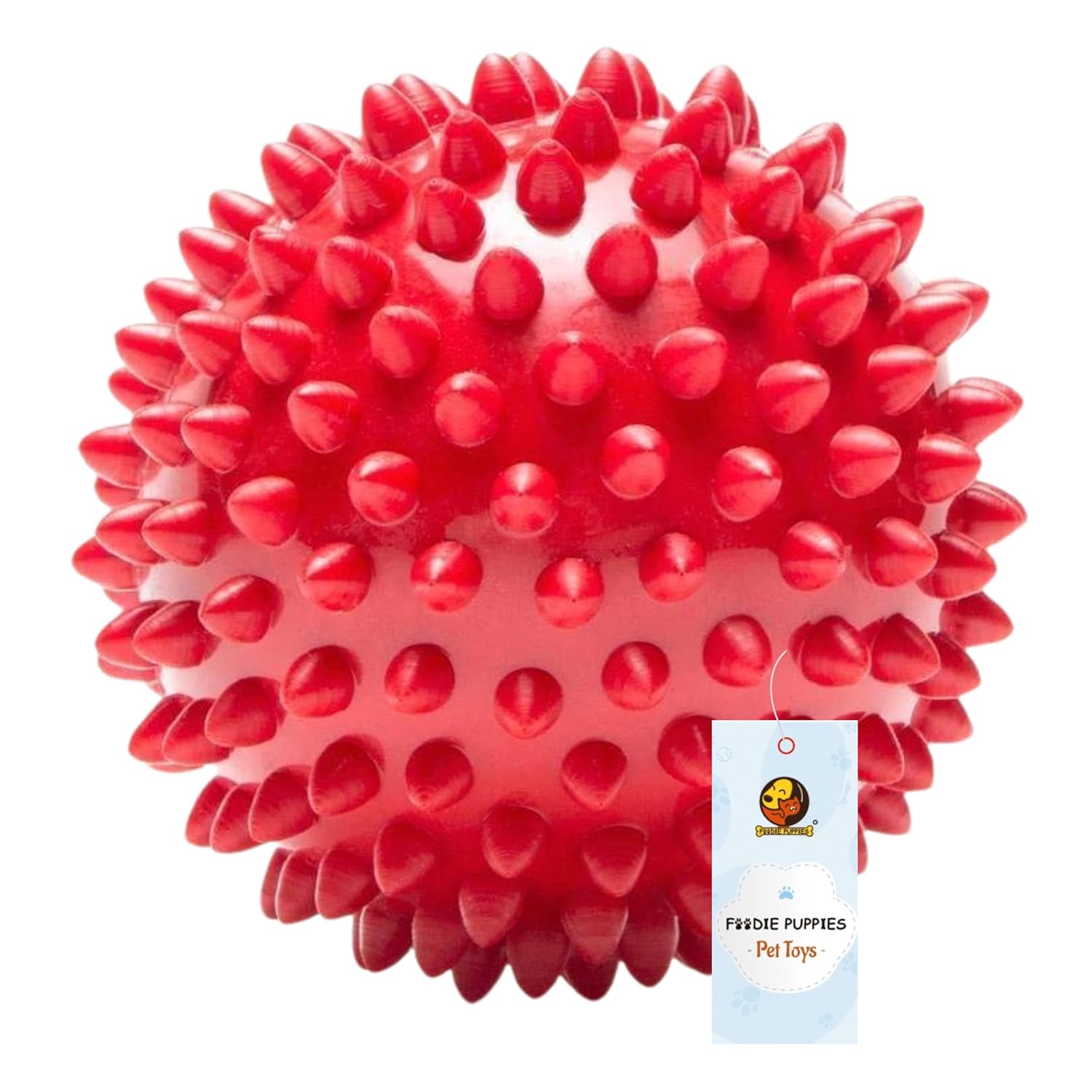
Textured Rubber Balls:
-
Lightweight Rubber Balls:
Benefits of Rubber Balls for Dogs
-
Physical Fitness: Running, fetching, and jumping help maintain a healthy weight and strong muscles.
-
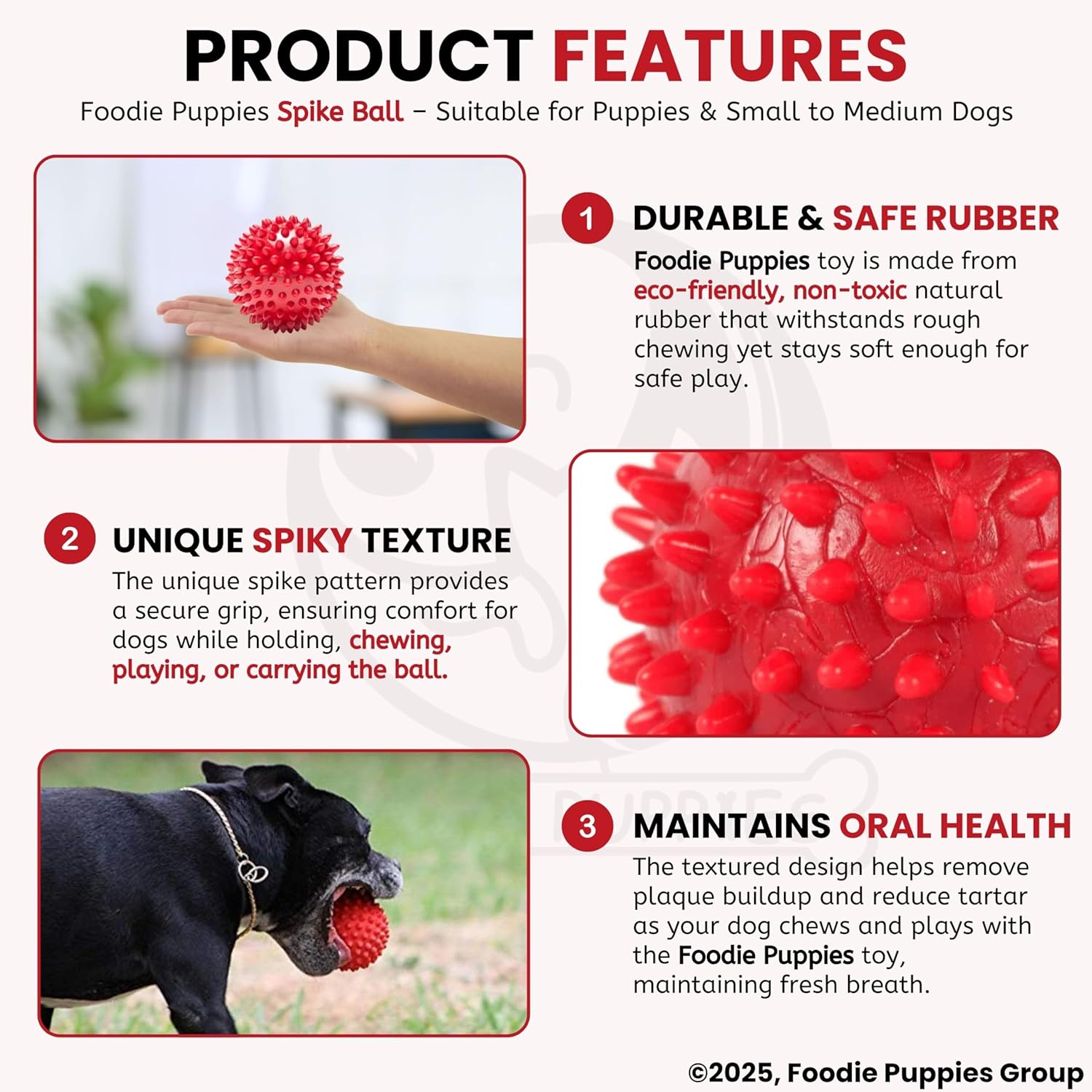
Dental Health: Chewing on textured rubber balls helps clean teeth and strengthen gums.
-
Mental Engagement: Treat-dispensing balls challenge your dog’s problem-solving skills.
-
Behavioral Management: Reduces destructive behavior by providing a safe outlet for energy.
-
Bonding and Socialization: Interactive play improves the bond between dog and owner.
Materials and Safety
High-quality rubber balls for dogs include:
-
Non-Toxic Rubber: Safe for chewing and biting.
-
Durable Materials: Resistant to tearing, suitable for aggressive chewers.
-
Textured Surfaces: Massage gums and clean teeth naturally.
-
Treat-Dispensing Options: Encourage mental engagement and reward-based play.
Avoid balls made with toxic plastics, small detachable parts, or easily breakable materials that could be swallowed.
Choosing the Right Rubber Ball for Your Dog
Factors to consider include:
-
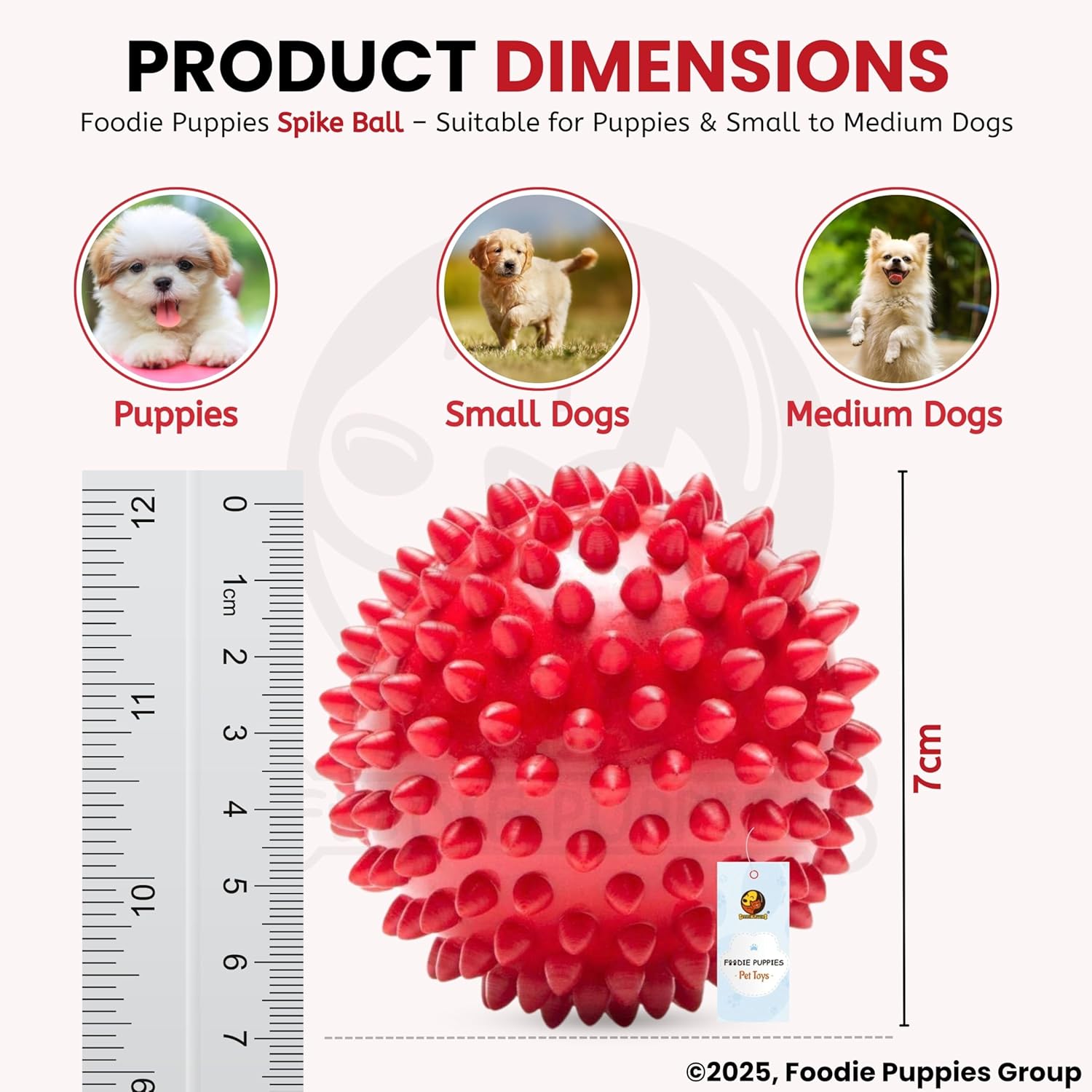
Size: Small balls for puppies and tiny breeds, large balls for medium and large breeds.
-
Chewing Strength: Durable balls for aggressive chewers; softer balls for gentle chewers.
-
Activity Level: High-bounce balls for energetic dogs, slow-bounce for older or less active dogs.
-
Interactive Features: Treat-dispensing or textured balls for mental stimulation.
-
Safety: Ensure no sharp edges, detachable parts, or toxic materials.
Using Rubber Balls in Play
-
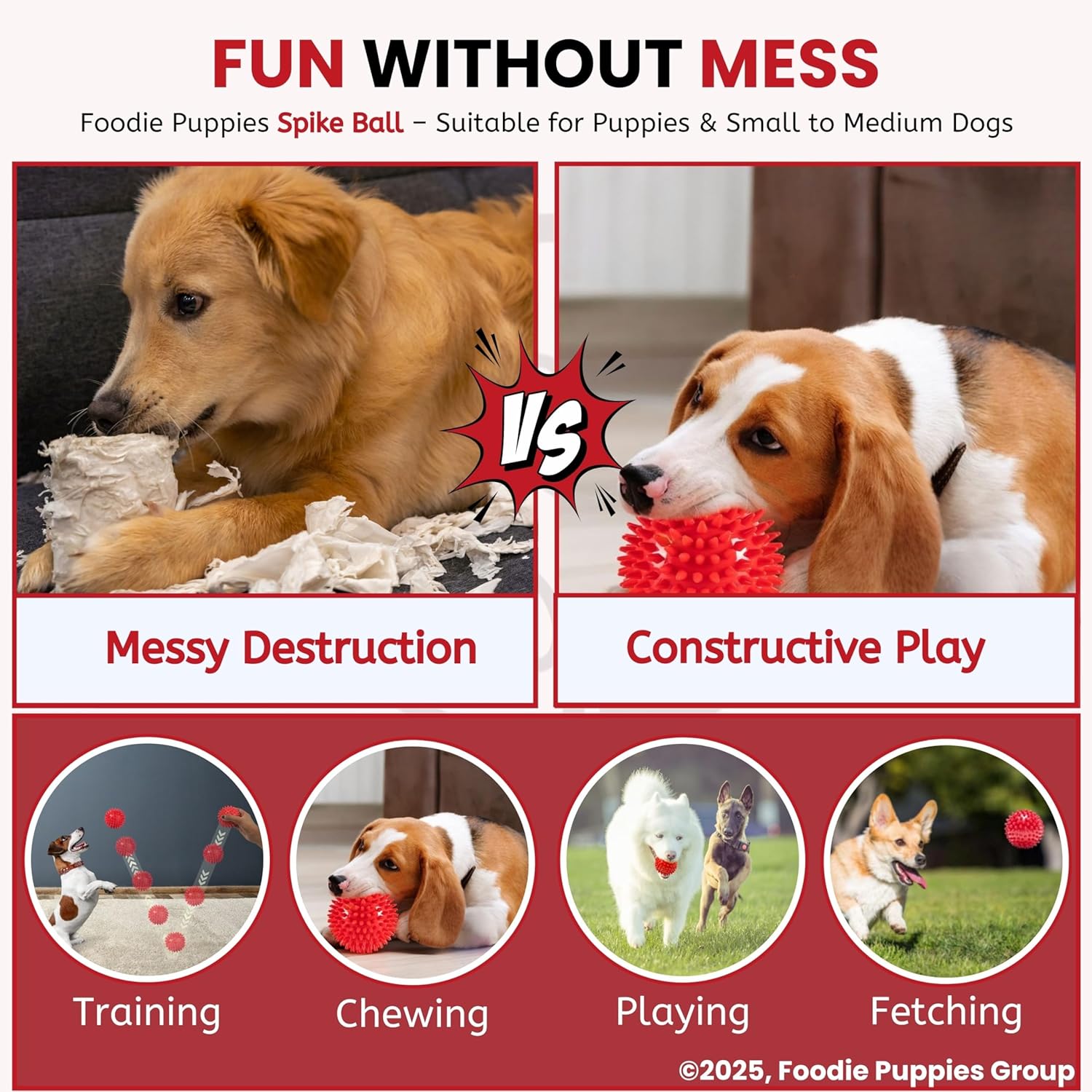
Fetch Games: Encourage running, jumping, and retrieving to maintain fitness.
-
Solo Play: Lightweight or treat-dispensing balls can entertain dogs while alone.
-
Training Tool: Use rubber balls as a reward during obedience training.
-
Interactive Play: Throwing, rolling, or bouncing encourages social engagement and bonding.
Rubber Balls for Puppies
-
Soft and Lightweight: Safe for developing teeth and gums.
-
Chew-Safe: Encourages healthy teething habits without damaging new teeth.
-
Interactive: Provides mental stimulation while helping puppies learn to fetch.
-
Bonding Opportunities: Play sessions strengthen human-puppy relationships.
Rubber Balls for Adult Dogs
-
Durable Construction: Can withstand strong jaws and aggressive chewing.
-
Mental Stimulation: Treat-dispensing or textured balls keep adult dogs engaged.
-
Exercise Benefits: Running and chasing maintain cardiovascular and muscular health.
-
Behavioral Benefits: Helps reduce boredom-related destructive behaviors.
Rubber Balls for Senior Dogs
-
Soft or Lightweight Options: Gentle on aging teeth and joints.
-
Low-Impact Exercise: Rolling or gentle fetch helps maintain activity without strain.
-
Mental Engagement: Puzzle or treat-dispensing balls stimulate cognitive function.
-
Bonding and Comfort: Playtime supports emotional well-being and reduces stress.
DIY Rubber Ball Alternatives
While commercial rubber balls are safest, homemade options can supplement play:
-
Tennis Ball Substitutes: Wrap in soft, safe rubber or fabric.
-
Treat-Filled Balls: Hollow toys filled with kibble or soft treats for mental stimulation.
-
Textured DIY Balls: Add ridges or crinkle material to homemade rubber balls for chewing benefits.
Always supervise DIY toys to prevent choking or ingestion hazards.
Travel and Outdoor Play
Rubber balls for dogs are perfect for outdoor fun and travel:
-
Parks and Open Spaces: Encourage running, chasing, and fetching.
-
Beach or Water Play: Some rubber balls float, ideal for water-loving breeds.
-
Road Trips or Camping: Lightweight, durable balls keep dogs entertained in new environments.
-
Stress Relief: Playing with a rubber ball can calm anxious dogs during travel.
Seasonal and Holiday Rubber Balls
-
Holiday Editions: Bright colors or themed patterns for Christmas, Halloween, or birthdays.
-
Gift Packs: Combine rubber balls with other interactive toys or treats.
-
Promotional Toys: Seasonal discounts often include new designs, scents, or treat options.
-
Travel Packs: Small, portable rubber balls for vacation or hotel stays.
Safety Considerations
-
Supervise play, especially with aggressive chewers.
-
Inspect for cracks, tears, or loose pieces regularly.
-
Avoid balls with small detachable parts for puppies or small breeds.
-
Rotate toys to maintain interest and prevent overuse.
-
Replace damaged or worn balls to ensure safe play.
FAQs About Rubber Balls for Dogs
Q1: Can puppies play with rubber balls?
A: Yes, but choose soft, small, and lightweight balls suitable for developing teeth.
Q2: How often should dogs play with rubber balls?
A: Daily play sessions of 15–30 minutes help maintain physical and mental health.
Q3: Are treat-dispensing rubber balls safe?
A: Yes, they are safe if made of non-toxic materials and used under supervision.
Q4: Can rubber balls reduce destructive behavior?
A: Yes, they provide a safe outlet for chewing and energy release.
Q5: Are rubber balls suitable for senior dogs?
A: Yes, select softer or low-impact options for gentle exercise.
Conclusion
A rubber ball for dog is an essential toy for physical activity, mental stimulation, and interactive play. Suitable for puppies, adult dogs, and seniors, rubber balls support cardiovascular health, satisfy chewing instincts, and reduce boredom.
Whether solid, bouncy, textured, or treat-dispensing, a rubber ball for dog is a versatile toy that enhances bonding, keeps dogs active, and promotes overall well-being. Regular play with a rubber ball ensures your furry friend stays happy, healthy, and engaged.
Top Brands and Recommended Rubber Balls for Dogs
Choosing trusted brands ensures safety, durability, and long-lasting play:
-
KONG Classic Rubber Ball:
-
Extremely durable, perfect for aggressive chewers.
-
Can hold treats for interactive play.
-
Ideal for fetch and solo play.
-
Chuckit! Ultra Rubber Ball:
-
JW Pet Hol-ee Roller Ball:
-
Flexible, chewable, and durable.
-
Can be stuffed with treats or kibble.
-
Great for mental stimulation and exercise.
-
Hyper Pet Flippy Flopper Ball:
-
Lightweight and floating for water-loving dogs.
-
Provides outdoor fun at the beach or pool.
-
Perfect for active dogs who enjoy chasing.
-
DIY or Homemade Rubber Balls:
-
Safe, inexpensive, and customizable.
-
Great for dogs with specific chewing needs or sensitivities.
Advanced Interactive Play Strategies
Rubber balls for dogs are versatile for interactive play:
-
Fetch and Retrieve: Encourage running, jumping, and agility development.
-
Treat-Dispensing Balls: Stimulate mental problem-solving by rewarding with treats.
-
Hide-and-Seek Games: Hide balls around the home for cats and dogs to “hunt.”
-
Owner Interaction: Use balls to teach commands, tricks, or agility skills.
These activities provide both mental and physical stimulation.
Breed- and Age-Specific Recommendations
-
Small Breeds: Lightweight, chew-safe rubber balls.
-
Medium Breeds: Durable, high-bounce balls for active play.
-
Large Breeds: Extra-durable, heavy-duty balls to withstand strong jaws.
-
Puppies: Soft, small balls for teething and gentle play.
-
Senior Dogs: Soft, low-impact balls for gentle exercise and mental engagement.
Selecting the right size and material ensures safety and maximizes fun.
Outdoor and Water Play Tips
-
Parks: Use durable, high-visibility balls for long-distance fetch.
-
Beaches: Floating rubber balls are perfect for water-loving dogs.
-
Backyards: Encourage chasing and jumping for physical exercise.
-
Hiking or Camping: Lightweight rubber balls provide familiar play in new environments.
-
Travel Play: Keeps dogs entertained and reduces stress during trips.
DIY Rubber Ball Variations
Homemade rubber balls can supplement store-bought options:
-
Treat-Filled Balls: Hollow balls filled with soft treats or kibble.
-
Textured DIY Balls: Add ridges or bumps to massage gums and maintain interest.
-
Soft Rubber Balls for Puppies: Gentle on developing teeth.
-
Interactive Play Balls: Attach string or rope for tug-and-chase games.
Always supervise DIY toys to prevent choking or ingestion hazards.
Seasonal and Holiday Rubber Balls
-
Holiday-Themed Balls: Christmas, Halloween, or birthday designs.
-
Gift Bundles: Rubber balls with chew toys or treats.
-
Promotional Editions: Seasonal colors, floating features, or treat-dispensing functions.
-
Travel Packs: Lightweight balls for vacation, camping, or hotels.
Seasonal toys can refresh your dog’s routine and provide additional enrichment.
Safety Considerations
-
Supervise play, especially with aggressive chewers.
-
Inspect balls for cracks, tears, or loose pieces regularly.
-
Avoid small detachable parts for puppies or small breeds.
-
Rotate toys to maintain novelty and interest.
-
Replace worn or damaged balls to ensure safe play.
Benefits of Rubber Balls for Dogs
-
Physical Health: Running, chasing, and jumping for cardiovascular fitness.
-
Mental Stimulation: Problem-solving with treat-dispensing or interactive balls.
-
Dental and Gum Health: Chewing textured balls naturally massages gums and cleans teeth.
-
Behavioral Improvement: Reduces boredom-related destructive behavior.
-
Bonding: Strengthens the human-dog relationship through interactive play.
FAQs About Rubber Balls for Dogs
Q1: Can puppies play with rubber balls?
A: Yes, choose soft, small, and lightweight balls suitable for developing teeth.
Q2: How often should dogs play with rubber balls?
A: Daily play sessions of 15–30 minutes support physical and mental health.
Q3: Are treat-dispensing rubber balls safe?
A: Yes, if made of non-toxic materials and used under supervision.
Q4: Can rubber balls reduce destructive behavior?
A: Yes, they provide a safe outlet for energy and chewing instincts.
Q5: Are rubber balls suitable for senior dogs?
A: Yes, softer or low-impact options provide gentle exercise.
Conclusion
A rubber ball for dog is an essential toy for physical activity, mental stimulation, and interactive fun. Suitable for puppies, adult dogs, and seniors, rubber balls promote cardiovascular health, satisfy chewing instincts, and reduce boredom.
Whether solid, bouncy, textured, or treat-dispensing, a rubber ball for dog provides safe, engaging play that enhances bonding and keeps your furry friend happy and healthy. Regular play with a rubber ball ensures your dog remains active, stimulated, and emotionally fulfilled.
Rubber Ball for Dog: Complete Guide to Fun, Fitness, and Mental Stimulation
Introduction to Rubber Balls for Dogs
Dogs are naturally playful, active, and curious. A rubber ball for dog provides the perfect outlet for energy, supporting both physical fitness and mental stimulation. Designed for fetch, chewing, and interactive play, rubber balls are versatile toys that keep dogs happy, engaged, and healthy.
Rubber balls come in different sizes, textures, and designs suitable for puppies, adult dogs, and senior dogs. This guide will cover every aspect of rubber balls for dogs, including types, benefits, safety, selection tips, advanced play techniques, and more.
Why Every Dog Needs a Rubber Ball
A rubber ball for dog offers multiple benefits:
-
Physical Exercise: Running, jumping, and fetching keep dogs fit and strong with rubber ball for dog.
-
Mental Stimulation: Problem-solving and interactive play challenge a dog’s mind.
-
Stress Relief: Chewing and chasing reduce anxiety and prevent destructive behavior.
-
Bonding: Playing with your dog strengthens the human-animal relationship.
-
Entertainment: Keeps dogs engaged during alone time and prevents boredom.
Rubber balls satisfy natural instincts while promoting a healthy, active lifestyle.
Types of Rubber Balls for Dogs
-
Solid Rubber Balls: Durable and long-lasting, perfect for aggressive chewers.
-
Bouncy Rubber Balls: High-bounce balls encourage chasing and vigorous exercise.
-
Treat-Dispensing Rubber Balls: Hollow balls can hold treats for mental engagement.
-
Textured Rubber Balls: Nubs and ridges massage gums and clean teeth naturally.
-
Lightweight Rubber Balls: Ideal for puppies or small breeds, safe for delicate teeth.
Top Brands and Recommended Rubber Balls
-
KONG Classic Rubber Ball: Durable, treat-dispensing, suitable for fetch.
-
Chuckit! Ultra Rubber Ball: High-bounce, bright color, perfect for outdoor play rubber ball for dog.
-
JW Pet Hol-ee Roller Ball: Flexible, chewable, can be stuffed with treats.
-
Hyper Pet Flippy Flopper Ball: Floating design, ideal for water-loving dogs.
-
DIY Rubber Balls: Customizable, inexpensive, and safe for specific chewing needs.
Benefits of Rubber Balls for Dogs
-
Physical Fitness: Running, jumping, and chasing strengthen muscles and cardiovascular health.
-
Mental Stimulation: Problem-solving with treat-dispensing or interactive rubber ball for dog enhances intelligence.
-
Dental Health: Chewing textured rubber balls massages gums and cleans teeth.
-
Behavioral Improvement: Reduces boredom and prevents destructive behaviors.
-
Bonding: Strengthens the connection between owner and dog.
Choosing the Right Rubber Ball for Your Dog
Consider these factors:
-
Size: Small balls for puppies and tiny breeds; large rubber ball for dog for medium and large breeds.
-
Chewing Strength: Durable balls for aggressive chewers; softer balls for gentle chewers.
-
Activity Level: High-bounce rubber ball for dog for active dogs; low-bounce for older or less energetic dogs.
-
Interactive Features: Treat-dispensing or textured surfaces for mental stimulation.
-
Safety: Avoid balls with sharp edges, detachable parts, or toxic materials.
Using Rubber Balls in Play
-
Fetch Games: Encourage running, jumping, and agility development.
-
Solo Play: Treat-dispensing or lightweight balls keep dogs entertained while alone.
-
Training Tool: Use balls as rewards during obedience or agility training.
-
Interactive Play: Throwing, rolling, or bouncing engages rubber ball for dogphysically and mentally.
Rubber Balls for Puppies
-
Soft and Lightweight: Safe for developing teeth and gums.
-
Chew-Safe: Encourages healthy teething habits.
-
Interactive: Mental stimulation and learning to fetch.
-
Bonding Opportunities: Strengthens human-puppy relationships.
Rubber Balls for Adult Dogs
-
Durable Construction: Withstands strong jaws and aggressive chewing rubber ball for dog.
-
Mental Stimulation: Treat-dispensing or textured balls keep dogs engaged rubber ball for dog.
-
Exercise Benefits: Running and chasing maintain fitness rubber ball for dog.
-
Behavioral Benefits: Reduces boredom-related destructive behaviors rubber ball for dog.
Rubber Balls for Senior Dogs
-
Soft or Lightweight Options: Gentle on aging teeth and joints rubber ball for dog.
-
Low-Impact Exercise: Rolling or gentle fetch maintains activity safely rubber ball for dog.
-
Mental Engagement: Puzzle or treat-dispensing balls stimulate cognition rubber ball for dog.
-
Bonding and Comfort: Playtime supports emotional well-being rubber ball for dog.
DIY Rubber Ball Variations
-
Treat-Filled Balls: Hollow balls filled with soft treats or kibble rubber ball for dog.
-
Textured DIY Balls: Add ridges or bumps for chewing and gum massage rubber ball for dog.
-
Soft Rubber Balls for Puppies: Gentle on developing teeth rubber ball for dog.
-
Interactive Balls: Attach string or rope for tug-and-chase games rubber ball for dog.
Always supervise DIY toys to prevent choking or ingestion hazards.
Seasonal and Holiday Rubber Balls
-
Holiday-Themed Balls: Christmas, Halloween, birthday designs.
-
Gift Bundles: Balls combined with treats or interactive toys.
-
Promotional Editions: Seasonal colors, floating balls, or treat-dispensing designs.
-
Travel Packs: Portable rubber balls for vacation, camping, or hotels.
Advanced Interactive Play Strategies
-
Hide-and-Seek: Hide balls around the home for dogs to “hunt.”
-
Fetch Challenges: Use obstacles or longer distances for agility development.
-
Treat-Dispensing Games: Encourage problem-solving with food rewards.
-
Owner Interaction: Teach tricks, commands, or agility skills with balls.
Safety Considerations
-
Supervise play, especially with aggressive chewers.
-
Inspect for cracks, tears, or loose pieces regularly.
-
Avoid small detachable parts for puppies or small breeds.
-
Rotate toys to maintain novelty and interest.
-
Replace damaged or worn balls to ensure safety.
FAQs About Rubber Balls for Dogs
Q1: Can puppies play with rubber balls?
A: Yes, but choose soft, small, and lightweight balls suitable for developing teeth.
Q2: How often should dogs play with rubber balls?
A: Daily sessions of 15–30 minutes support health and stimulation.
Q3: Are treat-dispensing rubber ball for dog safe?
A: Yes, rubber ball for dog if made of non-toxic materials and used under supervision.
Q4: Can rubber ball for dog reduce destructive behavior?
A: Yes, rubber ball for dog they provide a safe outlet for energy and chewing instincts.
Q5: Are rubber ball for dog suitable for senior dogs?
A: Yes, rubber ball for dog softer or low-impact options provide gentle exercise.
Conclusion
A rubber ball for dog is essential for physical activity, mental stimulation, and interactive play. Suitable for puppies, adult dogs, and seniors, rubber balls promote cardiovascular health, satisfy chewing instincts, and reduce boredom.
Whether solid, bouncy, textured, or treat-dispensing, a rubber ball for dog provides safe, engaging play that enhances bonding and keeps your furry friend happy and healthy. Regular play ensures your dog remains active, stimulated, and emotionally fulfilled rubber ball for dog.

Reviews
There are no reviews yet.