Description
Comprehensive Guide to Freeze Dried Bloodworms: The Natural Premium Treat for Your Fish
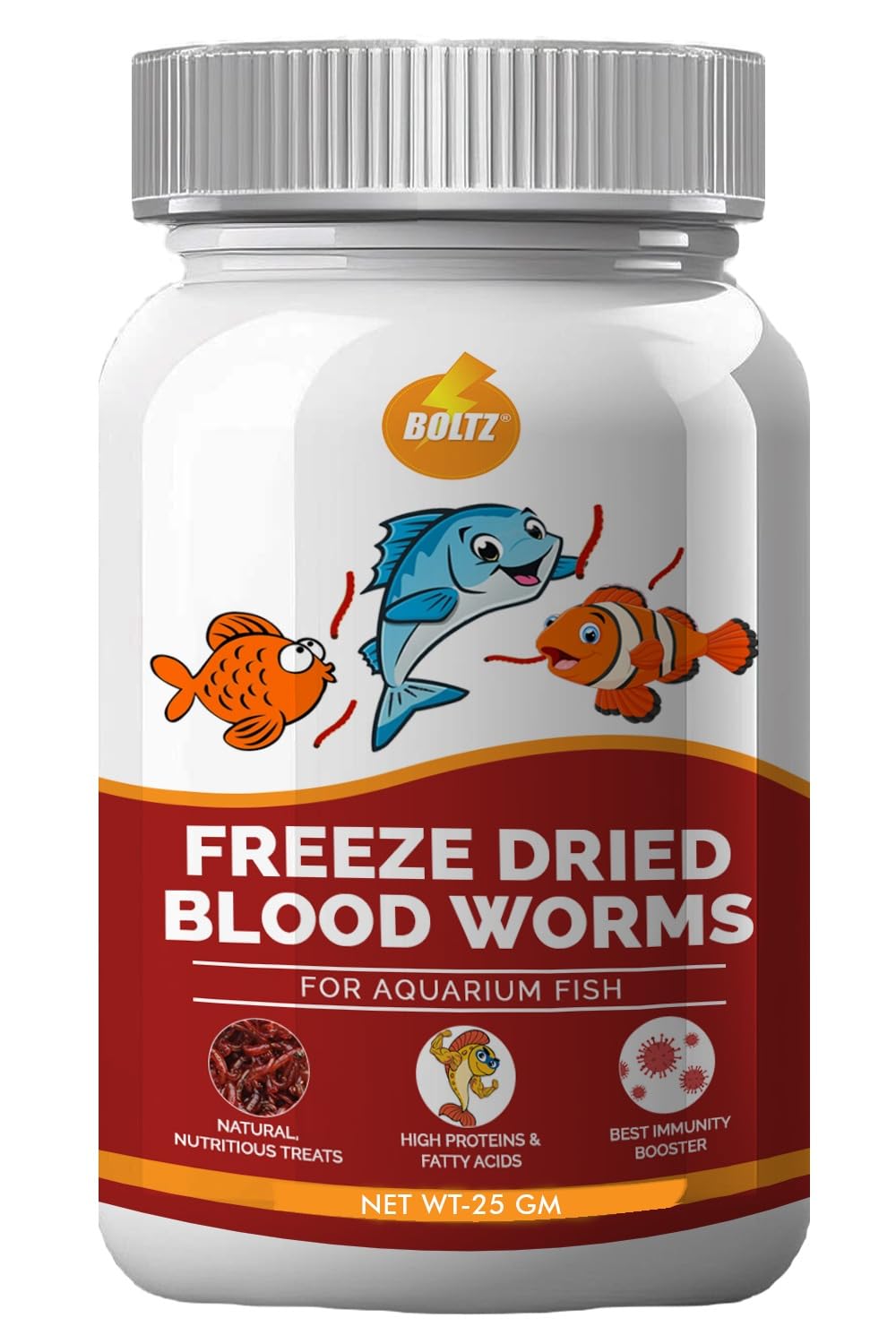
When it comes to providing optimal nutrition for your aquatic pets, freeze dried bloodworms have emerged as a standout choice among fishkeepers worldwide. Renowned for their high protein content, natural appeal, and convenience, this natural premium treat has revolutionized fish feeding by combining superior nutrition with ease of use. Whether you are a hobbyist, breeder, or professional aquarist, understanding the value, usage, and benefits of these treats is essential for maintaining healthy, vibrant fish.
This detailed guide will cover everything you need to know about freeze dried bloodworms, from their origin and nutritional profile to feeding tips, storage, and how they compare with other fish foods. We’ll also address common myths and frequently asked questions, giving you a complete picture of why this product deserves a place in your aquarium care routine.
What Are Freeze Dried Bloodworms?
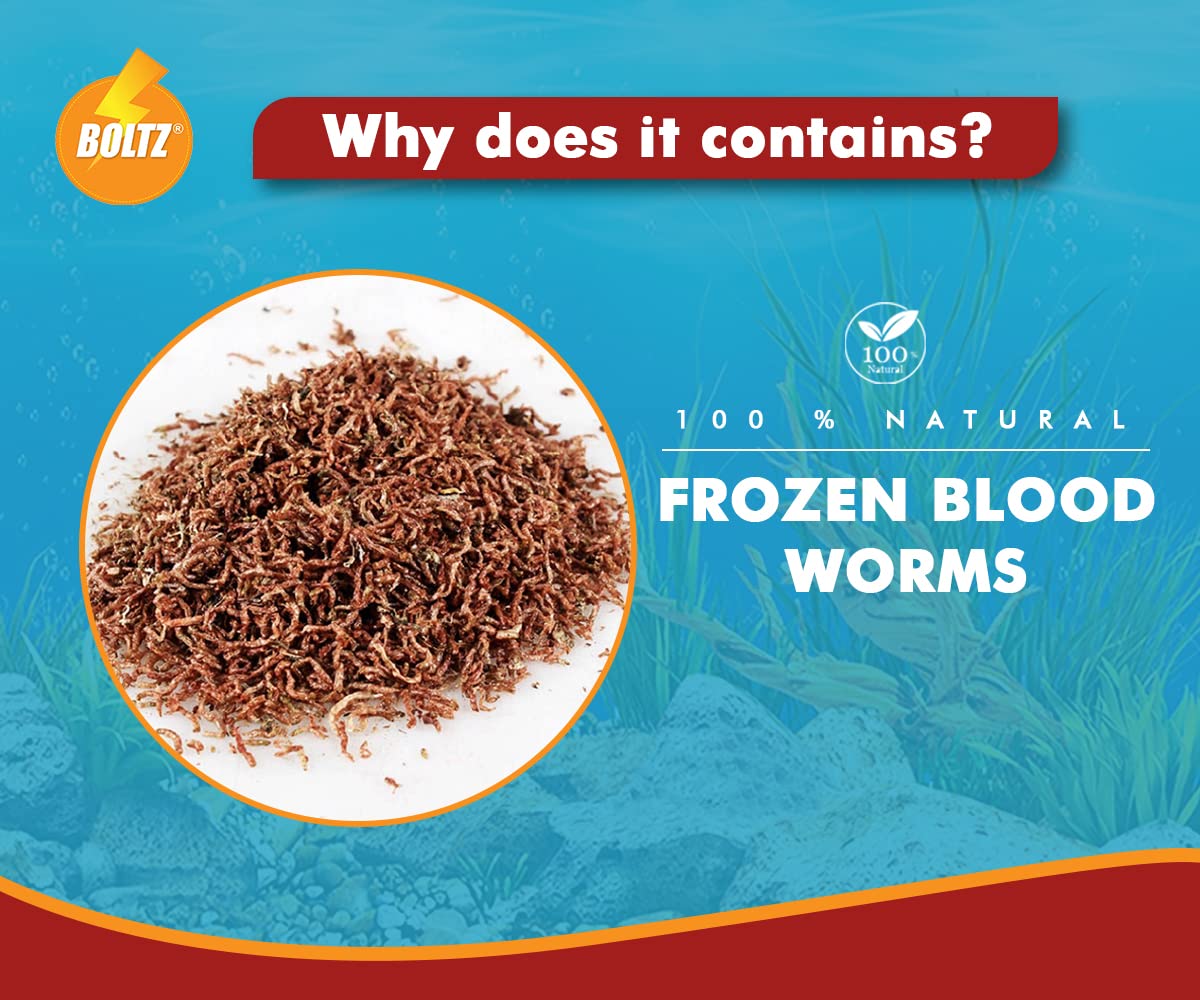
Freeze dried bloodworms are the larval stage of the midge fly, harvested from natural freshwater or aquaculture environments and processed using a freeze drying technique. Freeze drying involves removing moisture under low temperature and pressure, preserving the structural integrity and nutrient content of the bloodworms without the use of heat. This process maintains the natural enzymes, vitamins, proteins, and flavors, resulting in a shelf-stable, easy-to-store fish food option.
Unlike fresh or frozen bloodworms, which require refrigeration or immediate use, the freeze dried form offers convenience and longevity without compromising quality. This makes them a favorite among fish enthusiasts seeking a natural, nutrient-rich treat for their aquatic companions.
Nutritional Composition of Freeze Dried Bloodworms
One of the primary reasons freeze dried bloodworms have become a staple in fish diets is their impressive nutritional profile. Understanding these benefits helps aquarists select the best food options for their pets’ health and growth.
High Protein Content
Protein is the building block of life, essential for muscle development, tissue repair, and metabolic processes. Freeze dried bloodworms contain approximately 50-60% crude protein, making them one of the richest natural protein sources available for fish. This high protein level supports growth, immune function, and overall vitality.
Essential Amino Acids
These treats are packed with essential amino acids such as lysine, methionine, and arginine, which fish cannot synthesize internally and must obtain through diet. These amino acids aid in various physiological processes including growth, enzyme production, and tissue regeneration.
Healthy Fats
Containing about 10-15% fats, including omega-3 fatty acids, freeze dried bloodworms provide a vital energy source. These healthy fats contribute to cell membrane integrity, brain function, and reduce inflammation, promoting overall well-being.
Vitamins and Minerals
Bloodworms are a natural source of important micronutrients:
-
Iron: Responsible for their characteristic red color, iron helps in oxygen transport and blood health.
-
Calcium and Phosphorus: Critical for bone development and metabolic activity.
-
Magnesium and Potassium: Support nerve function and enzymatic reactions.
-
Vitamin B Complex and Vitamin E: Help with energy metabolism and antioxidant protection.
Together, these nutrients create a balanced food source that supports the diverse needs of aquatic life.
Benefits of Freeze Dried Bloodworms for Fish Health
Feeding your fish with freeze dried bloodworms yields multiple benefits beyond basic nutrition.
Stimulates Natural Feeding Behavior
The natural scent and flavor of bloodworms attract fish and stimulate their feeding instincts. Even the pickiest eaters are often enticed by this treat, encouraging healthy appetite and reducing feeding stress.
Enhances Coloration
The natural pigments and iron content help intensify the colors of ornamental fish, making reds, oranges, and other vibrant hues more pronounced and eye-catching.
Supports Growth and Development
The high protein and amino acid content promote faster and healthier growth in juvenile and adult fish, aiding in muscle formation and tissue repair.
Boosts Immunity
The nutritional components found in these treats bolster the fish’s immune system, helping them resist diseases and recover quickly from stress or injury.
Improves Reproductive Health
Breeders often use freeze dried bloodworms to condition broodstock due to their rich nutrient profile, which supports spawning success and fry development.
Comparing Freeze Dried Bloodworms with Other Bloodworm Forms
Fishkeepers have three main choices when it comes to feeding bloodworms: live, frozen, and freeze dried. Each has unique pros and cons.
Live Bloodworms
Live bloodworms encourage natural hunting behaviors and provide fresh nutrients but come with risks of introducing pathogens and parasites into the tank. Their short shelf life and the need for refrigeration make them less convenient.
Frozen Bloodworms
Frozen bloodworms retain many nutrients and are safer than live feed. However, they require freezer storage and thawing time and have a limited shelf life, which may not suit all aquarists.
Freeze Dried Bloodworms
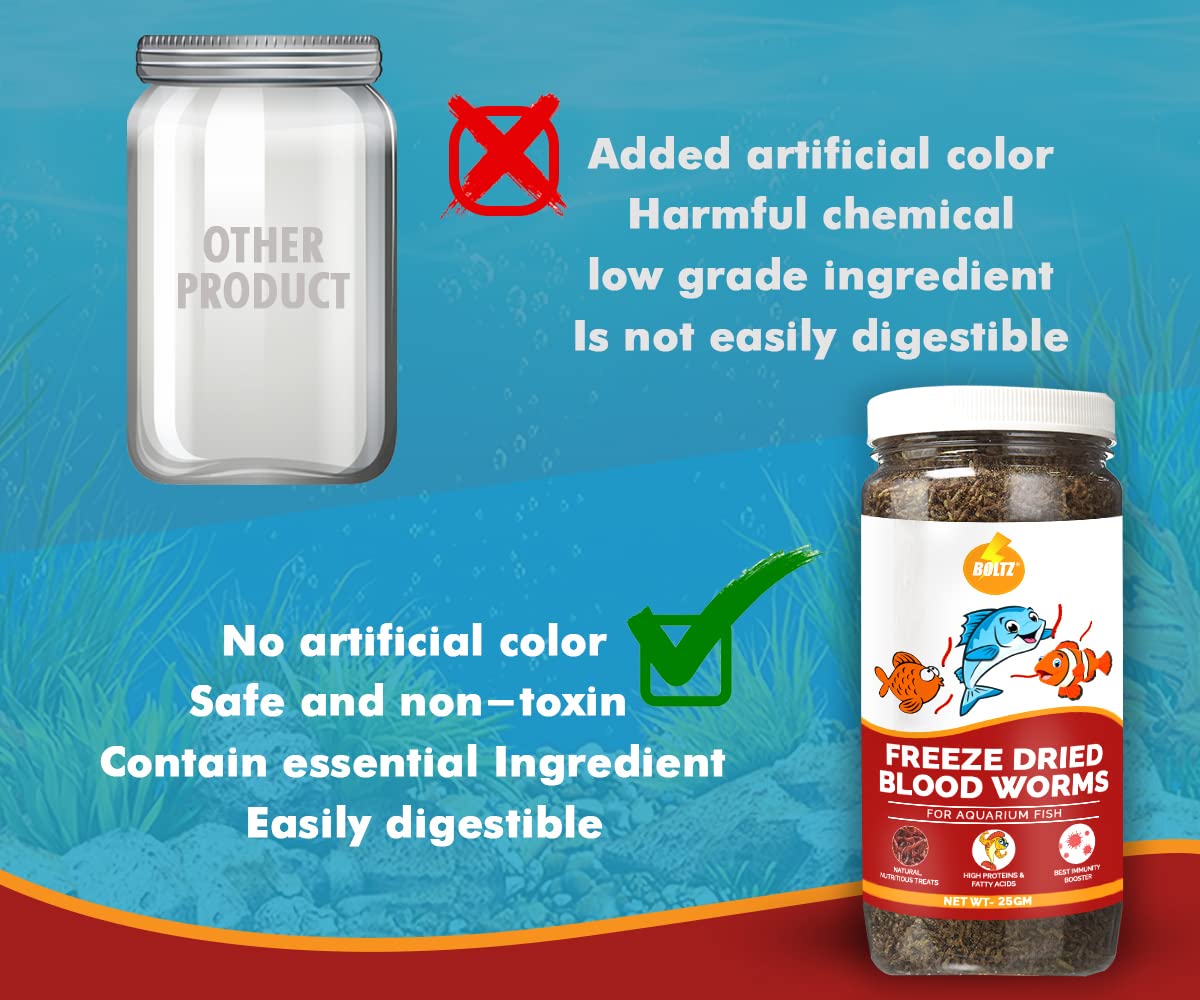
Freeze dried bloodworms combine safety, convenience, and nutrition. With no refrigeration needed and a long shelf life, they provide a hassle-free option that retains most of the nutritional benefits. Their dry nature allows for easy portioning, less mess, and safer feeding without compromising fish health.
How to Feed Freeze Dried Bloodworms to Your Fish
Maximizing the benefits of freeze dried bloodworms requires proper feeding techniques.
Soak Before Feeding
Since the worms are dehydrated, soaking them in aquarium water for a few minutes rehydrates and softens them, making them easier for fish to digest and reducing the risk of bloating or constipation.
Control Portions
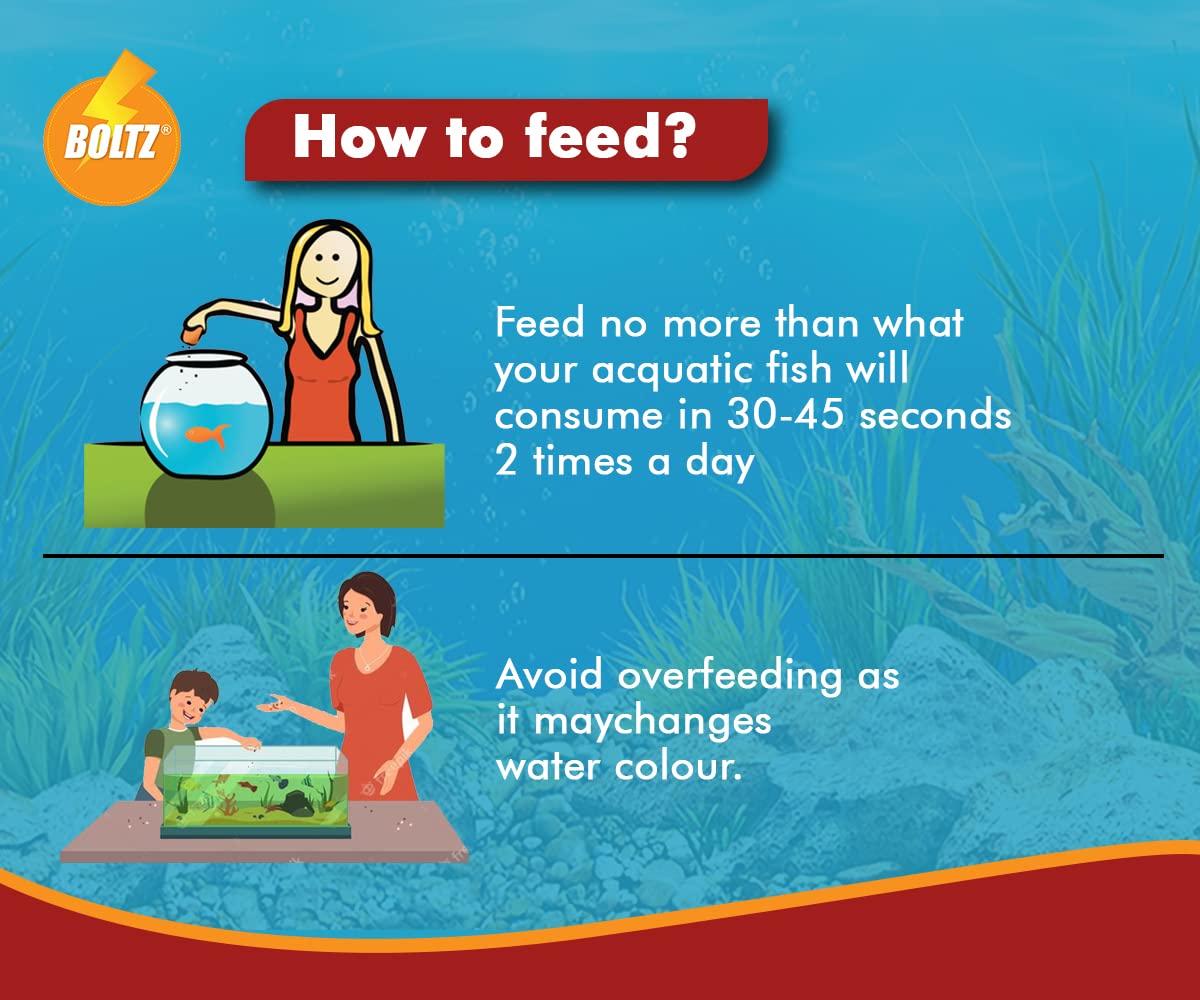
Feed only the amount your fish can consume within 2-3 minutes to avoid leftover food decomposing and polluting the tank water. Overfeeding can lead to water quality issues and health problems.
Frequency of Feeding
Use freeze dried bloodworms as a supplement rather than the primary diet. Feeding them 2-3 times per week alongside pellets or flakes ensures balanced nutrition without excess protein.
Suitable Species
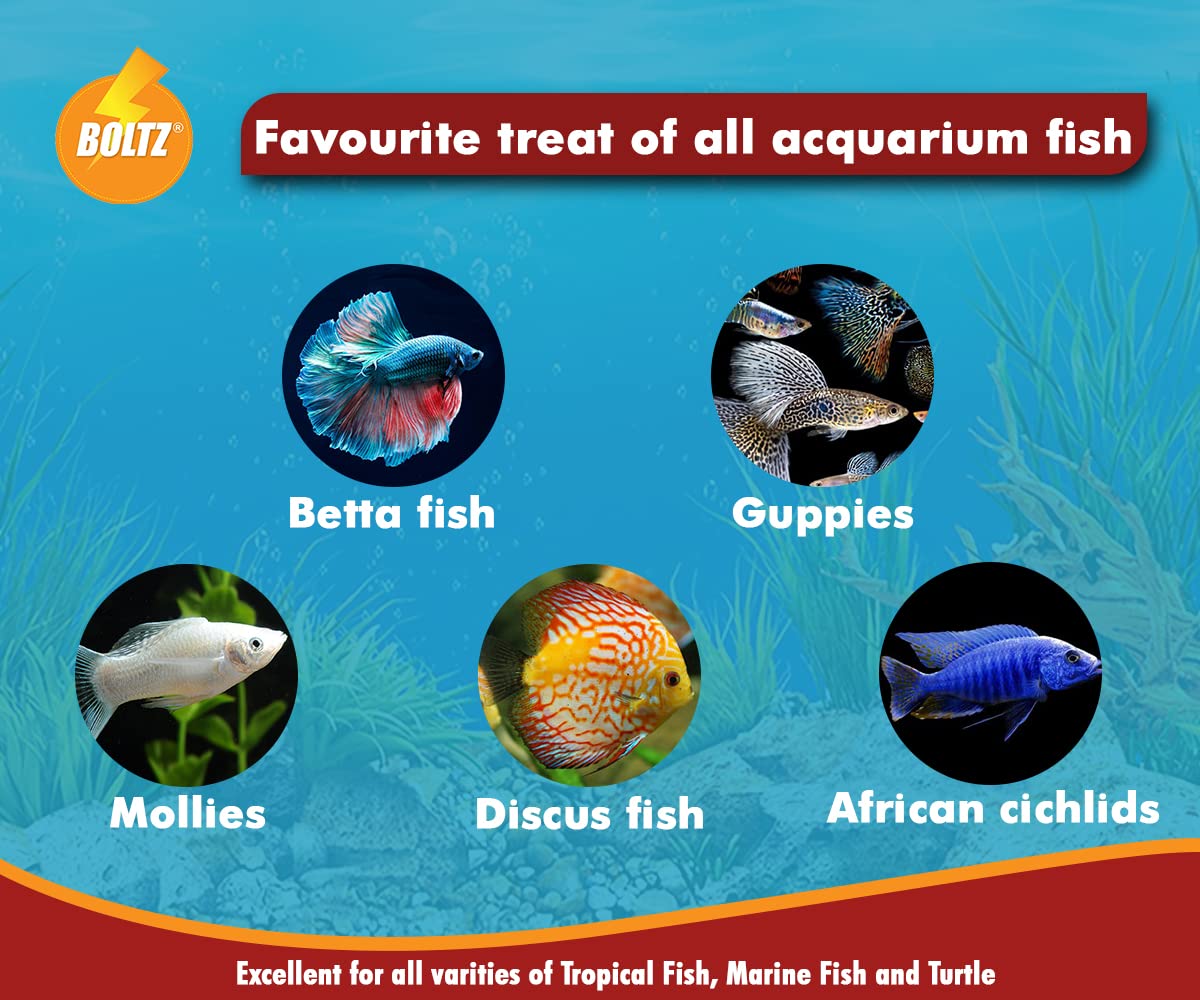
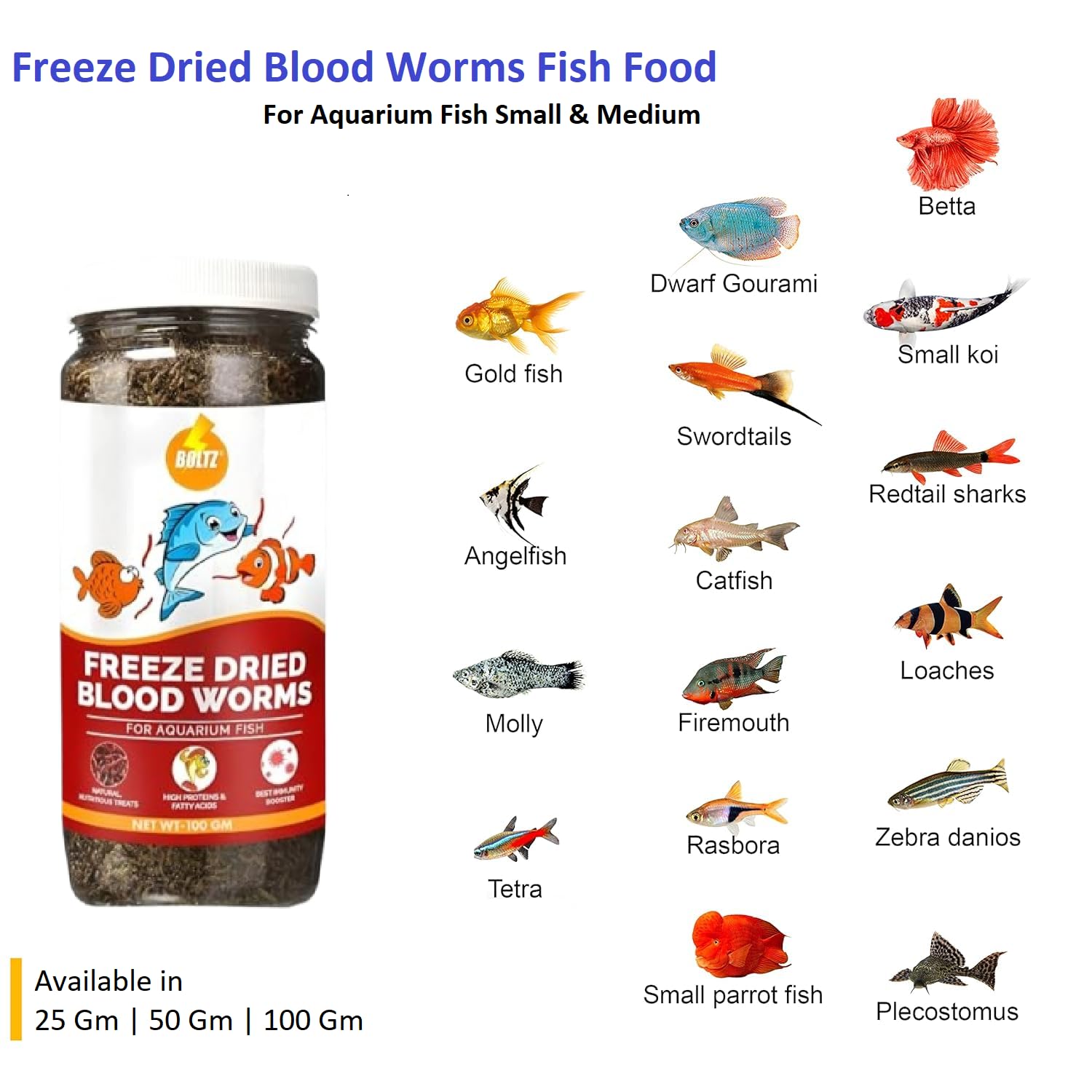
These treats are appropriate for a variety of species including bettas, cichlids, gouramis, goldfish, tetras, and many marine fish. Their versatility makes them an excellent addition to most freshwater and saltwater tanks.
Storage Tips for Optimal Freshness
Proper storage is crucial to maintain the nutritional value of freeze dried bloodworms. Store the food in an airtight container in a cool, dry place, away from sunlight and moisture. Exposure to humidity or heat can cause spoilage, nutrient loss, or clumping.
When stored properly, the product maintains freshness and nutrient integrity for up to 12 months, making it a reliable staple for fish feeding.
Environmental and Ethical Considerations
As interest in bloodworm products increases, sustainable harvesting and ethical sourcing become important. Many suppliers now focus on eco-friendly collection methods to minimize environmental impact and protect natural bloodworm populations.
Some companies are investing in farming bloodworms to provide consistent quality without harming wild ecosystems. When purchasing freeze dried bloodworms, look for certifications or supplier transparency to ensure you’re choosing a responsible product.
Busting Common Myths About Freeze Dried Bloodworms
Despite their popularity, several misconceptions about these treats persist.
Myth 1: Freeze Dried Bloodworms Are Nutritionally Inferior to Live Bloodworms
Fact: The freeze drying process preserves most nutrients, often better than traditional drying or freezing methods. While live feed has certain behavioral benefits, nutritionally, these treats remain highly effective.
Myth 2: Feeding Freeze Dried Bloodworms Pollutes the Aquarium
Fact: Proper portioning and removal of uneaten food prevent water contamination. The dry form actually reduces rapid spoilage compared to fresh or frozen foods.
Myth 3: Only Carnivorous Fish Can Eat Bloodworms
Fact: Many omnivorous and some herbivorous fish enjoy bloodworms as a protein supplement. Variety in diet benefits overall health.
FAQs About Freeze Dried Bloodworms
Q: Can I feed these treats to fry?
A: Yes, crushed or powdered freeze dried bloodworms are excellent for feeding fry and juvenile fish.
Q: How often should I feed freeze dried bloodworms?
A: 2-3 times per week as a supplement is ideal.
Q: Do I need to soak the worms before feeding?
A: Soaking is recommended to improve digestibility and prevent bloating.
Q: Are freeze dried bloodworms suitable for marine fish?
A: Absolutely, many marine species readily accept them as a treat.
Tips from Experienced Aquarists
Many fishkeepers praise freeze dried bloodworms for their effectiveness:
-
“My bettas have never eaten better. The color pop after just a few feedings is amazing.”
-
“I use these treats to condition my breeding pairs. The fry survival rates have improved.”
-
“So easy to store and feed—no mess, no fuss. Perfect for busy hobbyists.”
Incorporating Freeze Dried Bloodworms into a Balanced Diet
For optimal health, rotate bloodworms with other foods such as flakes, pellets, brine shrimp, and vegetables. Balanced nutrition supports longevity and disease resistance.
Conclusion
Freeze dried bloodworms are a natural premium treat that combines superior nutrition, safety, and convenience. Their high protein content, essential nutrients, and palatability make them an invaluable part of any fish diet. Whether you are looking to enhance coloration, promote growth, or provide an enticing snack, these treats offer unmatched benefits. Proper feeding, storage, and sourcing ensure your aquatic pets enjoy maximum health and vitality.
Make freeze dried bloodworms a staple in your aquarium feeding routine, and watch your fish thrive like never before.
Advanced Insights on Freeze Dried Bloodworms for Aquatic Enthusiasts
For seasoned aquarists and professionals, freeze dried bloodworms are more than just a simple treat—they represent a strategic feeding option that can enhance various aspects of aquatic husbandry. This section dives deeper into scientific, environmental, and practical considerations.
The Science Behind Freeze Drying and Nutrient Preservation
The freeze drying process is a form of lyophilization, where bloodworms are frozen solid and then subjected to a vacuum. This causes the frozen water in the bloodworms to sublimate directly from solid ice to vapor, bypassing the liquid phase. This method is crucial because:
-
It preserves heat-sensitive nutrients, enzymes, and vitamins.
-
It maintains the physical structure and texture of the bloodworms, keeping them recognizable and appealing to fish.
-
It significantly extends shelf life by removing moisture that would otherwise promote microbial growth.
Unlike air-drying or oven-drying, freeze drying does not cause nutrient degradation or loss of volatile flavor compounds that attract fish.
Freeze Dried Bloodworms and Fish Digestive Health
Fish digestive systems vary widely by species, but protein digestibility and feed palatability are universally important. Freeze dried bloodworms contain chitin, the exoskeleton material of insects, which is partially indigestible. However, this chitin also acts as a natural prebiotic, fostering beneficial gut bacteria that improve digestion and nutrient absorption.
For species prone to digestive issues, soaking freeze dried bloodworms before feeding helps soften the chitin and reduces the risk of constipation. Moreover, feeding these treats alongside fiber-rich foods helps maintain healthy digestion.
Freeze Dried Bloodworms in Aquaculture and Breeding
In commercial aquaculture and breeding programs, freeze dried bloodworms are invaluable for conditioning broodstock and feeding larvae.
-
Broodstock Conditioning: Protein and micronutrients in these treats increase egg production, improve sperm quality, and boost spawning frequency.
-
Larval Nutrition: While live food is often essential for very early fry stages, freeze dried bloodworms are excellent as supplemental food once fry develop mouthparts capable of handling solid foods. Crushed or powdered forms are especially useful here.
Consistent use in breeding setups has been shown to increase fry survival rates and improve overall stock health.
Environmental Impact and Sustainability
Sustainability is a growing concern among fishkeepers. Ethical harvesting of bloodworms ensures that natural wetland habitats remain intact and that bloodworm populations are not overexploited. Look for brands and suppliers who:
-
Follow seasonal harvesting restrictions.
-
Use selective collection techniques minimizing ecosystem disturbance.
-
Support wetland conservation efforts.
Increased consumer demand for responsibly sourced freeze dried bloodworms encourages better industry standards and promotes biodiversity.
Practical Feeding Scenarios for Different Fish Types
For Bettas and Small Carnivores
Bettas and other small carnivorous fish often benefit greatly from the nutrient density of freeze dried bloodworms. These fish require protein-rich diets, and the natural scent of bloodworms stimulates their appetite even during stressful conditions such as moving to a new tank.
Feed in small quantities once daily or every other day as a supplement to high-quality pellets.
For Cichlids and Larger Predators
Cichlids thrive on high protein diets. Offering freeze dried bloodworms occasionally helps mimic their natural feeding behavior. Use as part of a varied diet that includes pellets, frozen brine shrimp, and other meaty foods to promote coloration and vigor.
For Community and Tropical Tanks
In community setups, sprinkle small amounts of freeze dried bloodworms to attract a variety of species. This encourages natural foraging and reduces competition at feeding time.
Avoiding Overfeeding and Water Quality Issues
While freeze dried bloodworms are nutritious, overfeeding can cause:
-
Uneaten food to sink and decompose.
-
Spikes in ammonia and nitrites.
-
Algae blooms and tank imbalances.
To prevent these problems:
-
Feed small amounts, tailored to your fish’s appetite.
-
Remove uneaten food promptly.
-
Monitor water parameters regularly.
Combining feeding with robust filtration and regular water changes ensures a clean, healthy tank environment.
DIY Tips: Preparing Freeze Dried Bloodworms for Optimal Feeding
Some hobbyists prefer to customize how they feed freeze dried bloodworms:
-
Crushing: Crush larger bloodworms into smaller pieces for fry or small fish.
-
Soaking: Soak for 5-10 minutes in tank water or vitamin-enriched water to enhance palatability.
-
Mixing: Combine soaked bloodworms with other foods, such as finely ground flakes or pellets, to diversify nutrition.
These techniques make feeding more flexible and adapted to the needs of different fish.
Storage Best Practices
To maintain peak freshness and nutrient content, follow these tips:
-
Store in vacuum-sealed or airtight containers.
-
Keep away from direct sunlight, humidity, and heat sources.
-
Use moisture-absorbing packets inside containers to prevent clumping.
-
Label containers with purchase dates and use within 12 months.
Proper storage preserves the benefits of freeze dried bloodworms and prevents spoilage.
Frequently Asked Questions (Expanded)
Q: Can I feed freeze dried bloodworms to shrimp and invertebrates?
A: Yes! Many shrimp and other invertebrates enjoy bloodworms as a protein supplement.
Q: How do freeze dried bloodworms compare price-wise?
A: While slightly more expensive than pellets, their nutritional quality and convenience justify the cost.
Q: Are freeze dried bloodworms allergenic or toxic?
A: They are safe for fish and non-toxic when fed appropriately. However, always introduce new foods gradually to monitor for adverse reactions.
Q: Can they be fed to saltwater fish?
A: Yes, many marine fish and invertebrates accept freeze dried bloodworms as treats.
Community and Expert Recommendations
Aquarists consistently report:
-
Improved feeding response and vigor in their fish.
-
Easier feeding schedules due to long shelf life.
-
Reduced water pollution compared to live or frozen foods.
-
Enhanced coloration and breeding success.
Experts recommend incorporating freeze dried bloodworms as part of a holistic diet for balanced aquatic nutrition.
Conclusion: The Ultimate Natural Premium Treat
Incorporating freeze dried bloodworms into your feeding routine enriches your aquarium’s health and vitality. Their balanced nutrients, natural appeal, and ease of storage make them indispensable for both amateur and professional fishkeepers.
By choosing responsibly sourced, properly stored freeze dried bloodworms, you invest in the long-term success of your aquatic environment. Whether conditioning broodstock, feeding delicate fry, or treating your beloved pets, these treats provide unparalleled quality and convenience.
Scientific Studies Supporting Freeze Dried Bloodworms in Fish Nutrition
Research has shown that freeze dried bloodworms contribute positively to fish health. Studies reveal:
-
Enhanced growth rates in juvenile fish compared to standard pellet-only diets.
-
Improved immune response and disease resistance after including bloodworms in diet.
-
Increased spawning frequency and egg viability in broodstock fed bloodworms regularly.
These findings underline the nutritional value and practical benefits of including freeze dried bloodworms in fish feeding regimens.
Freeze Dried Bloodworms in Specialty Fish Diets
For species with unique dietary needs, freeze dried bloodworms can be tailored as part of specialized feeding:
Carnivorous Fish
Carnivores like oscars, arowanas, and groupers benefit from the high protein and fat content. These treats mimic their natural prey, supporting muscular development and activity levels.
Herbivorous and Omnivorous Fish
Even fish that consume mostly plant matter appreciate occasional bloodworm treats. The protein boost helps during breeding or growth phases without replacing their primary diet.
Fry and Juveniles
When crushed into fine powder, freeze dried bloodworms provide essential nutrients for fry transitioning from microscopic feed to solid foods.

Reviews
There are no reviews yet.