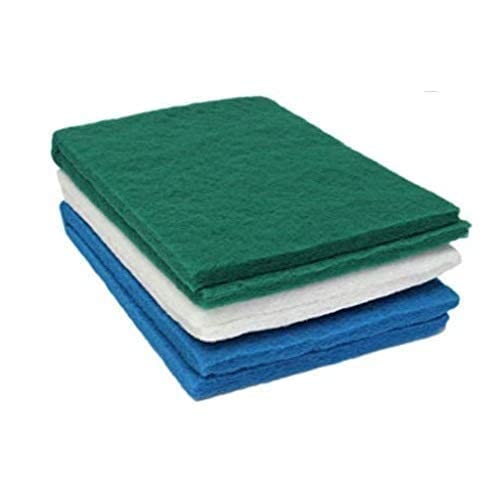
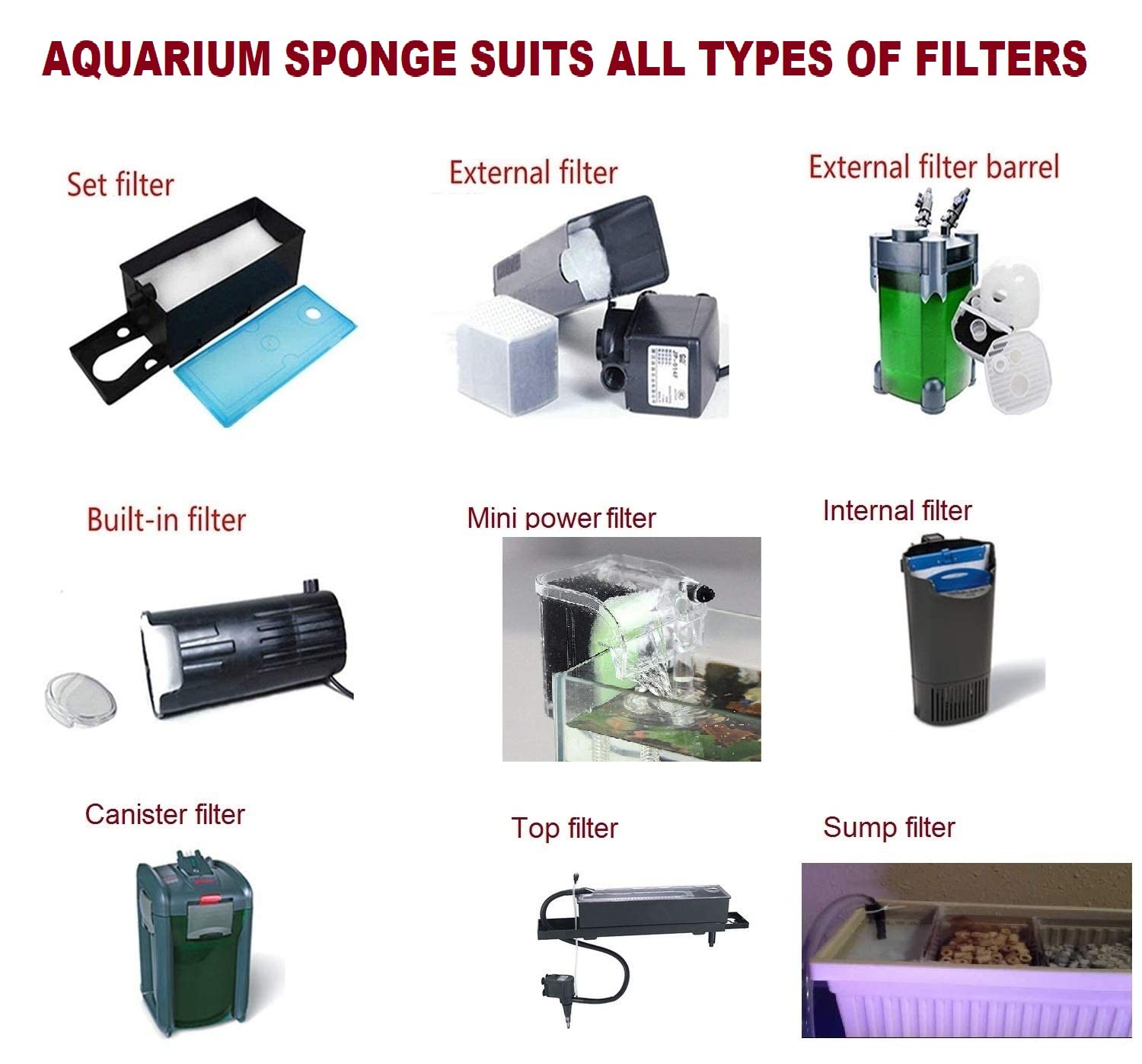
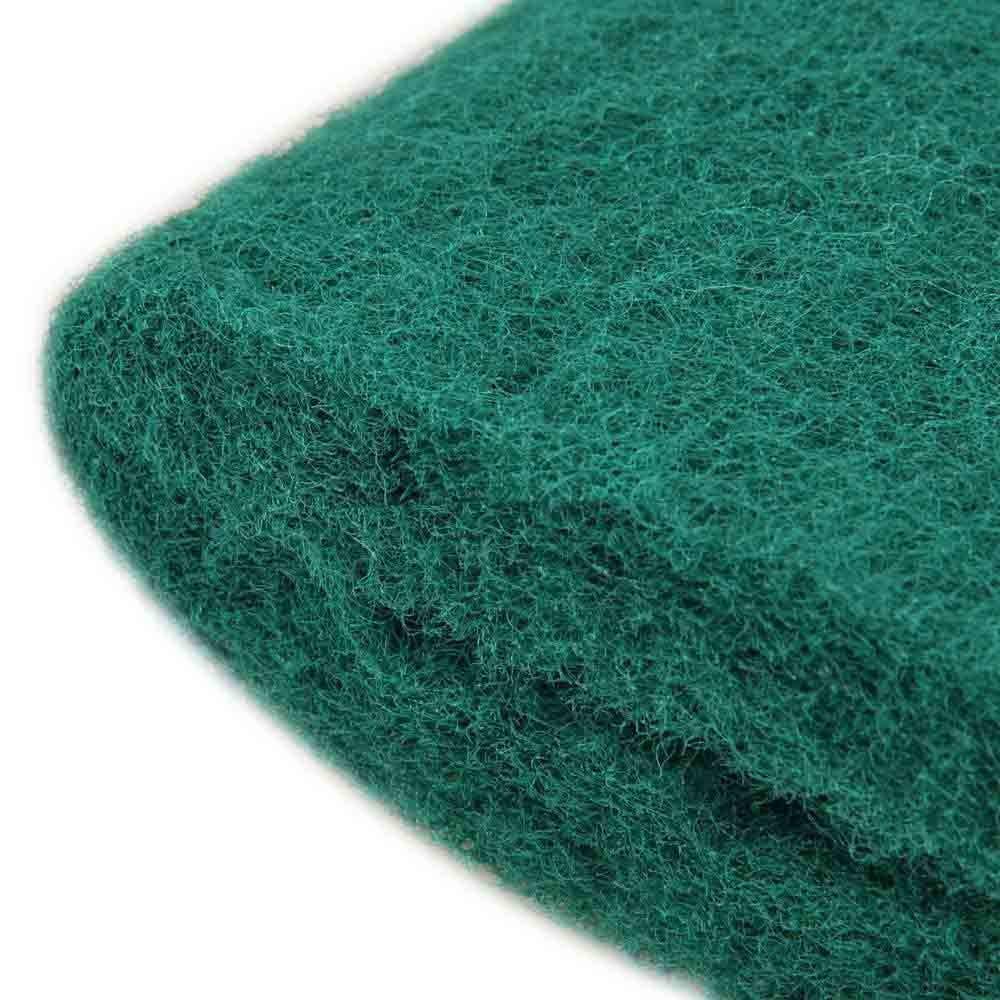
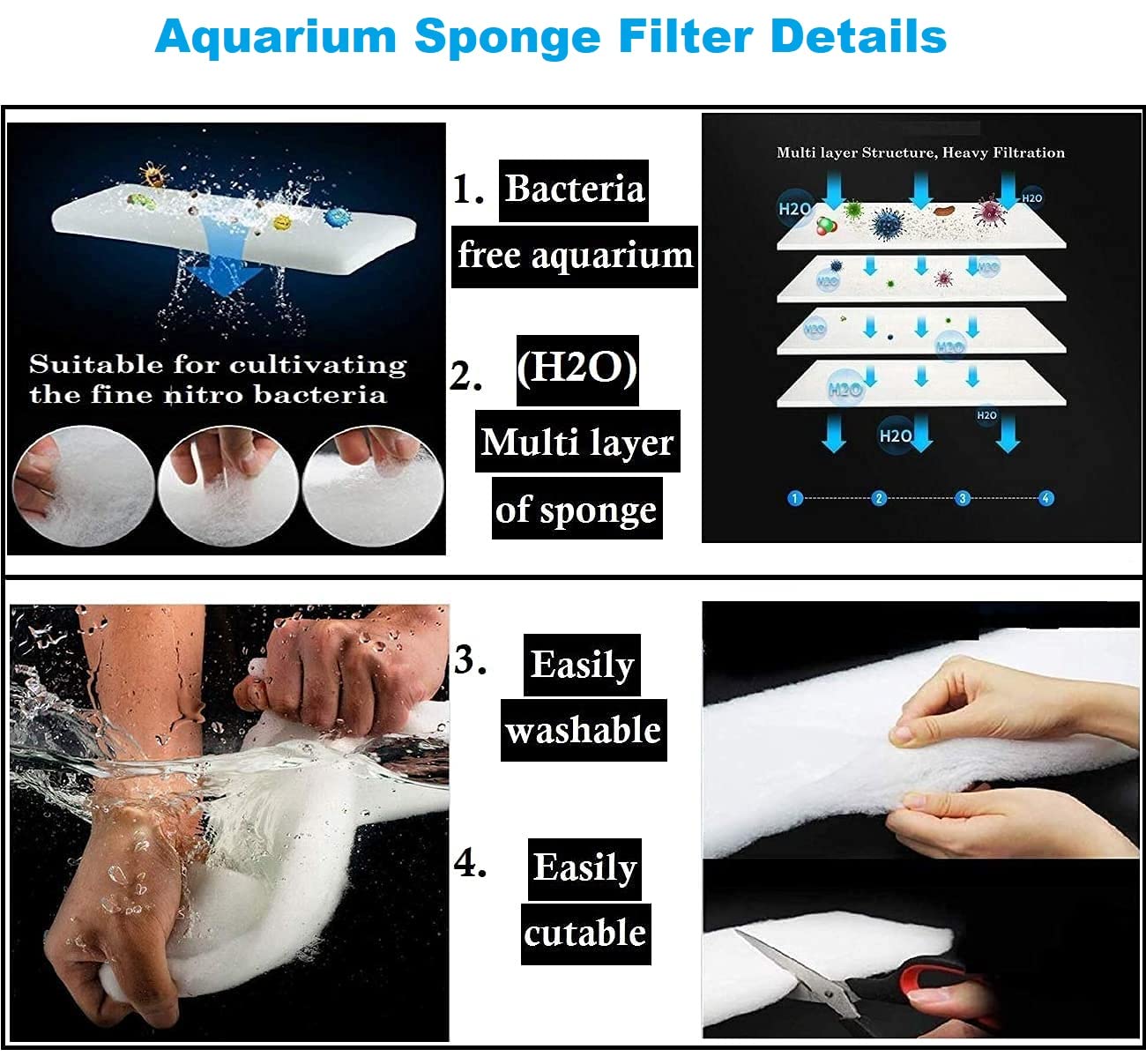
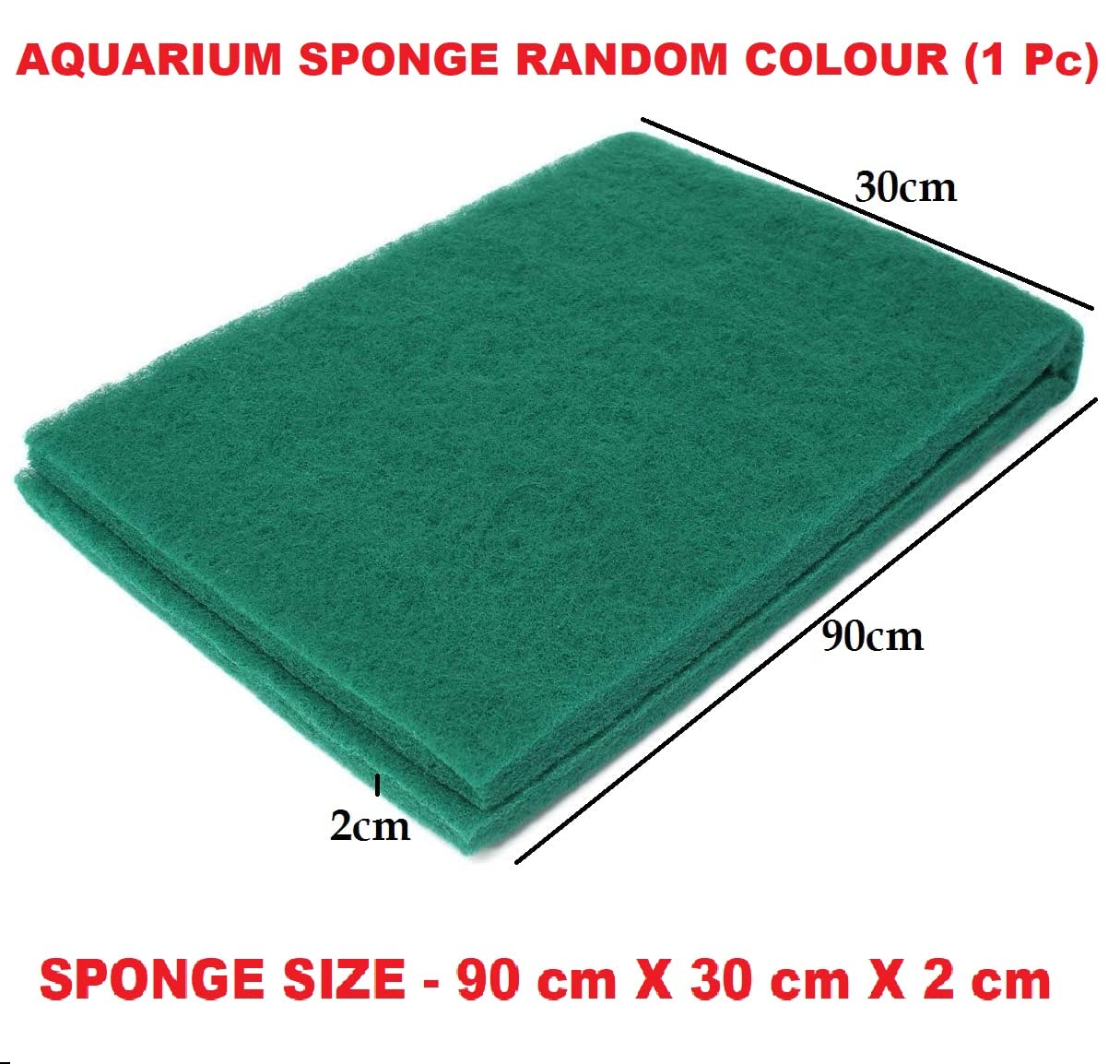
- Material: Cotton Sponge; Color: Random Color, Size: 90x30x2cm/35.43″x11.81″x0.79″. Excellent water permeability.It suitable for use in outdoor pond filtration systems as well as indoor tanks, any filters, sump and aquariums.
- The most suitable for cultivating the fine nitro bacteria. And also improve water quality than will reduce death rate of fishes in tank.
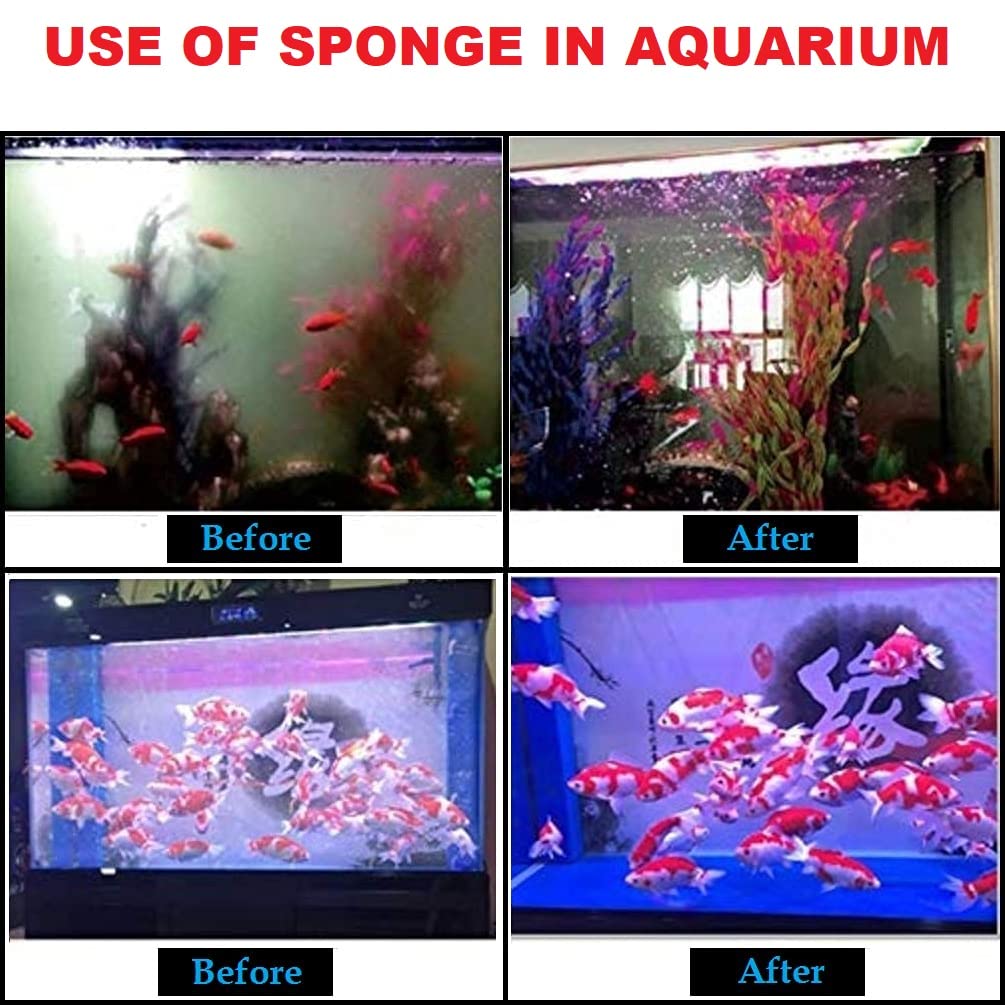
- Place our aquarium filter pad traps micro and macro organic particles, foreign debris, waste, excess fish food, decaying plants, detritus, and other coarse helps maintain beautiful water for sustained enjoyment and longevity of your fishes.
- Aquarium Sponge Filter – Provide both mechanical and biological filteration, perfect for freshwater or saltwater aquariums reef tank, making your fish tank water super clean and clear.
- Durable and reusable, cut to fit, very good flow, easy to clean, perfect for filtering your aquarium fish tank pond. Package Includes:1* Aquarium Filter Cotton Sponge(Random Color)
PREMIER PLANTS Aquarium Sponge Filter for Fish Tank, Biological Filtering Sponge Aquarium, Sponge Filter Pad(Random Color XY-1819 (1 pc)
Original price was: ₹1,000.00.₹474.00Current price is: ₹474.00.
Description
Complete Guide to Sponge Filter for Fish Tank: Benefits, Usage, and Maintenance
Aquarium enthusiasts, whether beginners or experienced, understand the importance of maintaining clean and healthy water for their aquatic pets. One essential piece of equipment in achieving this is a sponge filter for fish tank setups. Known for its simplicity, efficiency, and gentle filtration process, the sponge filter is a favorite among aquarists for both freshwater and breeding tanks. This comprehensive guide dives deep into everything you need to know about the sponge filter for fish tank, including its benefits, working mechanism, installation tips, maintenance, and how to choose the right one for your aquarium.
What is a Sponge Filter for Fish Tank?
A sponge filter for fish tank is a type of filtration device commonly used in aquariums. It consists of a porous sponge attached to an air pump or water pump system. The sponge acts as both a mechanical and biological filter, trapping debris while providing a surface area for beneficial bacteria to grow. These bacteria help break down harmful toxins like ammonia and nitrites, which are dangerous to fish.
The sponge filter operates by drawing water through the sponge, cleaning the water physically and biologically without creating strong currents, which can be harmful to delicate species. This makes it especially popular in breeding tanks and shrimp tanks where gentle water movement is crucial.
Benefits of Using a Sponge Filter for Fish Tank
1. Gentle Filtration Suitable for Delicate Species
Many fish and aquatic creatures, such as fry (baby fish), shrimp, and certain small species, require gentle water flow to avoid stress or injury. A sponge filter for fish tank offers just that, providing effective filtration without creating harsh water currents. This allows delicate creatures to thrive in a safe and clean environment.
2. Dual Mechanical and Biological Filtration
Unlike some filters that only provide one type of filtration, a sponge filter combines two essential processes:
-
Mechanical Filtration: The sponge physically traps particles, uneaten food, and waste, preventing them from polluting the tank water.
-
Biological Filtration: The porous surface of the sponge provides ample area for nitrifying bacteria colonies to grow. These bacteria convert harmful ammonia into less toxic nitrites and then into relatively harmless nitrates.
3. Cost-Effective and Low Maintenance
Sponge filters are relatively inexpensive compared to canister or power filters. They don’t require complex parts or frequent replacements, making them a budget-friendly choice. Cleaning is straightforward — simply rinse the sponge in tank water during regular maintenance to preserve the beneficial bacteria colonies.
4. Easy Installation and Operation
Setting up a sponge filter for fish tank is simple. They are powered by air pumps or water pumps and require minimal technical know-how. Most models come with basic parts that are easy to assemble and operate, making them ideal for beginner aquarists.
5. Quiet and Energy-Efficient
Because sponge filters typically use air pumps or low-power water pumps, they operate quietly, making them perfect for home or office aquariums where noise can be a concern. Additionally, their low energy consumption makes them eco-friendly and cost-saving over time.
6. Prevents Fish from Being Sucked into the Filter
Many conventional filters pose a risk of small or delicate fish being sucked into the filtration system. Sponge filters prevent this problem by their design; the sponge acts as a barrier, allowing water to pass through while protecting inhabitants.
How Does a Sponge Filter for Fish Tank Work?
Understanding how a sponge filter for fish tank works will help you optimize its performance.
-
Air Pump Connection: Most sponge filters connect to an external air pump via airline tubing. The air pump pushes air into the filter, causing bubbles to rise through a lift tube inside the sponge filter assembly.
-
Water Flow: As bubbles rise, they create suction that draws aquarium water through the sponge.
-
Filtration Process: Water passing through the sponge is mechanically filtered as debris is trapped in the sponge material. Meanwhile, beneficial bacteria colonizing the sponge surface break down toxic substances biologically.
-
Clean Water Return: The filtered water is then released back into the aquarium, maintaining a cleaner, safer environment.
This process is continuous and helps maintain water quality without disturbing the aquarium’s inhabitants.
Choosing the Right Sponge Filter for Fish Tank
When selecting a sponge filter for fish tank, several factors should be considered:
1. Tank Size
Sponge filters come in various sizes suited for different aquarium volumes. For smaller tanks (under 10 gallons), a compact sponge filter is ideal. Larger tanks require bigger or multiple sponge filters to provide adequate filtration.
2. Air Pump Compatibility
Ensure the sponge filter you choose is compatible with your existing air pump or purchase an air pump suitable for the filter’s size and flow rate requirements. Strong air pumps may create excessive flow, so adjustable air valves can help control water movement.
3. Material Quality
Look for high-quality, durable sponge material that won’t degrade quickly and is safe for aquatic life. Some sponges are treated or infused with additives; always check that they are aquarium-safe.
4. Ease of Cleaning
Choose sponge filters that are easy to disassemble and clean without losing beneficial bacteria. Avoid designs that are overly complex or require special tools.
5. Additional Features
Some sponge filters include features like suction cups for easy mounting, replaceable sponges, or multi-stage filtration capabilities. Consider these extras based on your aquarium needs.
Installation Guide for Sponge Filter for Fish Tank
Installing a sponge filter is straightforward:
-
Assemble the Filter: Connect the sponge to the lift tube and air stone or diffuser according to the manufacturer’s instructions.
-
Attach Airline Tubing: Connect the airline tubing from the sponge filter to your air pump.
-
Position the Filter: Place the sponge filter inside the aquarium, preferably in a corner or area with good water circulation.
-
Start the Air Pump: Turn on the air pump. You should see bubbles rising from the lift tube, indicating water is being pulled through the sponge.
-
Adjust Flow if Needed: Use an air valve to adjust the bubble flow rate to ensure it’s gentle enough for your fish.
Maintenance Tips for Sponge Filter for Fish Tank
Regular maintenance is essential to keep the sponge filter effective:
-
Clean the Sponge Monthly: Remove the sponge and gently rinse it in tank water to avoid killing beneficial bacteria. Avoid using tap water as chlorine can harm bacteria colonies.
-
Check Air Pump and Tubing: Make sure the air pump is functioning well and tubing is not clogged or cracked.
-
Replace Sponge if Needed: Over time, sponges can degrade and lose effectiveness. Replace when necessary, but avoid changing all at once to preserve bacteria.
-
Monitor Water Parameters: Regularly test ammonia, nitrite, and nitrate levels to ensure the filter is working properly.
Common Problems and Solutions with Sponge Filter for Fish Tank
Problem 1: Reduced Water Flow
Cause: Clogged sponge or blocked airline tubing.
Solution: Clean sponge gently and inspect tubing for kinks or blockages.
Problem 2: Excessive Noise
Cause: Air pump issues or loose tubing connections.
Solution: Secure tubing, check air pump placement, or replace noisy pump.
Problem 3: Insufficient Filtration
Cause: Undersized filter or overstocked tank.
Solution: Upgrade to a larger sponge filter or add multiple units.
FAQs About Sponge Filter for Fish Tank
Q: Can I use a sponge filter in a saltwater aquarium?
A: Yes, sponge filters can be used in saltwater tanks but are more commonly used in freshwater setups.
Q: How often should I clean the sponge filter?
A: Typically once a month or when you notice reduced water flow.
Q: Will a sponge filter oxygenate my aquarium?
A: Yes, the rising bubbles increase oxygen exchange at the water surface.
Q: Can sponge filters replace other filters?
A: They can be the sole filter in small tanks or breeding tanks, but in larger tanks, they are often used alongside other filtration systems.
Advanced Usage of Sponge Filter for Fish Tank
Using Sponge Filters for Breeding Tanks
A sponge filter for fish tank setups is highly favored by breeders. The gentle flow ensures that fragile fry are not harmed by strong currents, and the biological filtration keeps water quality stable, which is crucial during the early life stages of fish.
-
The sponge filter traps waste and uneaten food particles, preventing water pollution.
-
Beneficial bacteria colonize the sponge surface and help break down harmful ammonia and nitrite.
-
The design prevents fry from being sucked into the filter.
-
Many breeders use sponge filters in conjunction with breeding boxes or separate nursery tanks.
Combining Sponge Filters with Other Filtration Systems
While sponge filters are excellent for mechanical and biological filtration, some aquarists choose to combine them with additional filtration types for optimal results:
-
Canister Filters: For larger tanks, a canister filter can provide powerful mechanical and chemical filtration. Using a sponge filter alongside canister filters helps maintain a stable biological filtration base.
-
Hang-On-Back (HOB) Filters: Combining a sponge filter with a HOB filter can balance mechanical, biological, and chemical filtration needs, especially in heavily stocked tanks.
-
Undergravel Filters: Though less common now, sponge filters can supplement undergravel filters by adding extra biological filtration.
Combining filters increases filtration capacity and ensures your tank remains healthy under various conditions.
Using Sponge Filter for Shrimp Tanks
Shrimp are very sensitive to water quality and flow. A sponge filter for fish tank aquariums is perfect for shrimp setups:
-
The gentle filtration avoids harming shrimp and their delicate larvae.
-
The sponge acts as a grazing surface where shrimp can find biofilm and microorganisms to feed on.
-
Regular gentle filtration ensures water remains free from toxins that can harm shrimp.
Troubleshooting Common Sponge Filter Issues
1. Low Bubble Output
-
Cause: Air pump power loss, clogged air stone, or kinked tubing.
-
Fix: Check the air pump for functionality, clean or replace the air stone, and straighten tubing.
2. Sponge Becomes Too Dirty Too Fast
-
Cause: Overstocking, overfeeding, or inadequate tank maintenance.
-
Fix: Reduce feeding, perform partial water changes more frequently, and consider adding another filter.
3. Sudden Death of Fish After Installing Sponge Filter
-
Cause: New sponge filters may wash away existing beneficial bacteria, causing ammonia spikes.
-
Fix: Always rinse new sponges in tank water before installation and cycle the tank properly.
4. Sponge Filter Is Noisy
-
Cause: Air pump vibration or improper placement.
-
Fix: Place the air pump on a soft surface, use vibration dampeners, or relocate the pump away from the tank.
Sponge Filter for Fish Tank: Material and Design Variations
Sponge filters come in various designs tailored for different needs:
-
Standard Sponge Filters: Basic cylindrical or rectangular sponge attached to an uplift tube.
-
Foam Block Filters: Square or rectangular foam blocks used in smaller tanks or breeding setups.
-
Corner Sponge Filters: Designed to fit neatly into tank corners, maximizing space.
-
Multi-Stage Sponge Filters: Combine layers of different pore sizes for enhanced filtration.
Materials used vary slightly, with premium sponges offering higher durability, better porosity, and longer life spans.
Environmental Impact and Eco-Friendly Benefits
Using a sponge filter for fish tank is also environmentally friendly:
-
Low energy consumption thanks to air pump operation.
-
Longer sponge lifespan reduces waste compared to disposable cartridge filters.
-
Promotes a balanced, natural nitrogen cycle through biological filtration.
-
Often made with non-toxic materials safe for aquatic life.
Tips for Optimizing Your Sponge Filter for Fish Tank
-
Regular Cleaning: Avoid letting the sponge get clogged to maintain efficient filtration.
-
Aeration Check: Ensure your air pump delivers steady, adjustable airflow.
-
Positioning: Place the filter where water circulation is best to cover all tank areas.
-
Complementary Plants: Live plants work well with sponge filters, improving water quality.
-
Monitoring: Keep a water test kit handy to regularly check ammonia, nitrites, and nitrates.
Comparing Sponge Filter for Fish Tank with Other Filter Types
| Filter Type | Pros | Cons | Best Use Case |
|---|---|---|---|
| Sponge Filter | Gentle, inexpensive, low maintenance | Less effective in large tanks or heavily stocked | Small tanks, breeding tanks, shrimp tanks |
| Canister Filter | Powerful, multi-stage filtration | Expensive, complex setup | Large tanks, heavy bio-load |
| Hang-On-Back (HOB) | Easy to install, good flow | Can stress delicate species | Medium tanks, general use |
| Undergravel Filter | Good biological filtration | Can trap debris, maintenance tricky | Established tanks with low bio-load |
Frequently Asked Questions (Continued)
Q: How long does a sponge filter last?
A: With proper care, a sponge filter can last several years. Replace the sponge when it shows signs of wear or poor filtration.
Q: Can I use multiple sponge filters in one tank?
A: Yes, especially in larger tanks or heavily stocked setups, using multiple sponge filters improves filtration efficiency.
Q: Is it safe to turn off a sponge filter overnight?
A: It’s best to keep it running continuously to maintain biological filtration. Turning it off may disrupt beneficial bacteria colonies.
Q: How do I know if my sponge filter is working?
A: You should see steady bubbles rising from the lift tube and notice clearer water and healthier fish over time.
DIY Sponge Filter for Fish Tank: A Cost-Effective Solution
For aquarium hobbyists who enjoy a hands-on approach, making your own sponge filter for fish tank is an excellent and budget-friendly option. DIY sponge filters are easy to assemble using common materials and can be customized to fit your tank’s specific needs.
Materials Needed:
-
Aquarium-safe sponge or foam (cut to desired size)
-
Rigid plastic tubing (for the lift tube)
-
Airline tubing (to connect to air pump)
-
Air stone or diffuser
-
Suction cups or clips (optional, for mounting)
Steps to Build:
-
Cut the Sponge: Cut the aquarium sponge to fit your tank size. The sponge should be porous but sturdy enough to hold its shape.
-
Attach the Lift Tube: Secure the plastic tubing inside or alongside the sponge. This tube will carry air bubbles to create water flow.
-
Connect Airline Tubing: Attach airline tubing from the air pump to the air stone inside the lift tube.
-
Mount the Filter: Use suction cups or clips to position the sponge filter inside the tank, preferably near a corner for optimal circulation.
-
Power the Air Pump: Turn on the air pump and adjust airflow to ensure gentle bubbling that draws water through the sponge.
Building your own sponge filter allows you to tailor filtration power and size, and replacement sponges are inexpensive and easy to swap out.
Common Mistakes to Avoid When Using a Sponge Filter for Fish Tank
While sponge filters are straightforward, beginners can sometimes make mistakes that reduce effectiveness:
-
Using Tap Water to Clean the Sponge: Chlorine in tap water kills beneficial bacteria. Always rinse the sponge in aquarium water during maintenance.
-
Overfeeding Fish: Excess food creates more waste than the filter can handle, leading to cloudy water and harmful ammonia spikes.
-
Incorrect Air Pump Size: Using an air pump that is too strong can cause excessive current, stressing fish. Choose an adjustable pump or add a valve to control airflow.
-
Neglecting Regular Cleaning: Over time, trapped debris clogs the sponge, reducing filtration. Schedule monthly cleanings to keep it effective.
-
Replacing the Sponge All at Once: Changing the sponge entirely at one time removes beneficial bacteria colonies, potentially causing water quality issues. Replace in stages or keep old sponges to seed new ones.
How to Enhance Sponge Filter Efficiency
Maximize the performance of your sponge filter for fish tank with these simple tips:
-
Add Additional Biological Media: Some sponge filters allow adding ceramic rings or bio-balls inside or near the filter to increase bacteria colonization.
-
Use Multiple Filters in Larger Tanks: Distributing several sponge filters around the aquarium improves overall water circulation and filtration coverage.
-
Pair With Live Plants: Live plants work synergistically with sponge filters by absorbing nitrates and improving water quality.
-
Monitor Aquarium Stocking Levels: Avoid overcrowding to prevent overwhelming the filter’s capacity.
-
Maintain Proper Water Parameters: Regular testing and partial water changes complement the sponge filter’s work, ensuring a healthy environment.
Why Choose a Sponge Filter for Fish Tank Over Other Filters?
For many aquarists, the sponge filter for fish tank stands out due to its unique advantages:
-
Safe for Fry and Invertebrates: Unlike powerful filters that can suck in tiny fry or shrimp, sponge filters provide gentle filtration.
-
Low Cost and Maintenance: They are among the cheapest filters and don’t require frequent cartridge replacements.


Reviews
There are no reviews yet.