Description
Introduction
In the world of aquarium keeping, feeding your fish is as important as maintaining water quality, filtration, lighting, and habitat décor. The right diet contributes to growth, coloration, immune strength, reproduction, behaviour, and longevity. Among various feeding options, Freeze Dried Food such as shrimp offers an excellent blend of nutrition, convenience, and quality. This description will explore what Freeze Dried Food is (especially shrimp based), why it is beneficial for all fishes, how to use it properly, what to watch out for, comparisons with other food types, and best practices to maximize its advantages in your aquarium.
What Is Freeze Dried Shrimp Food
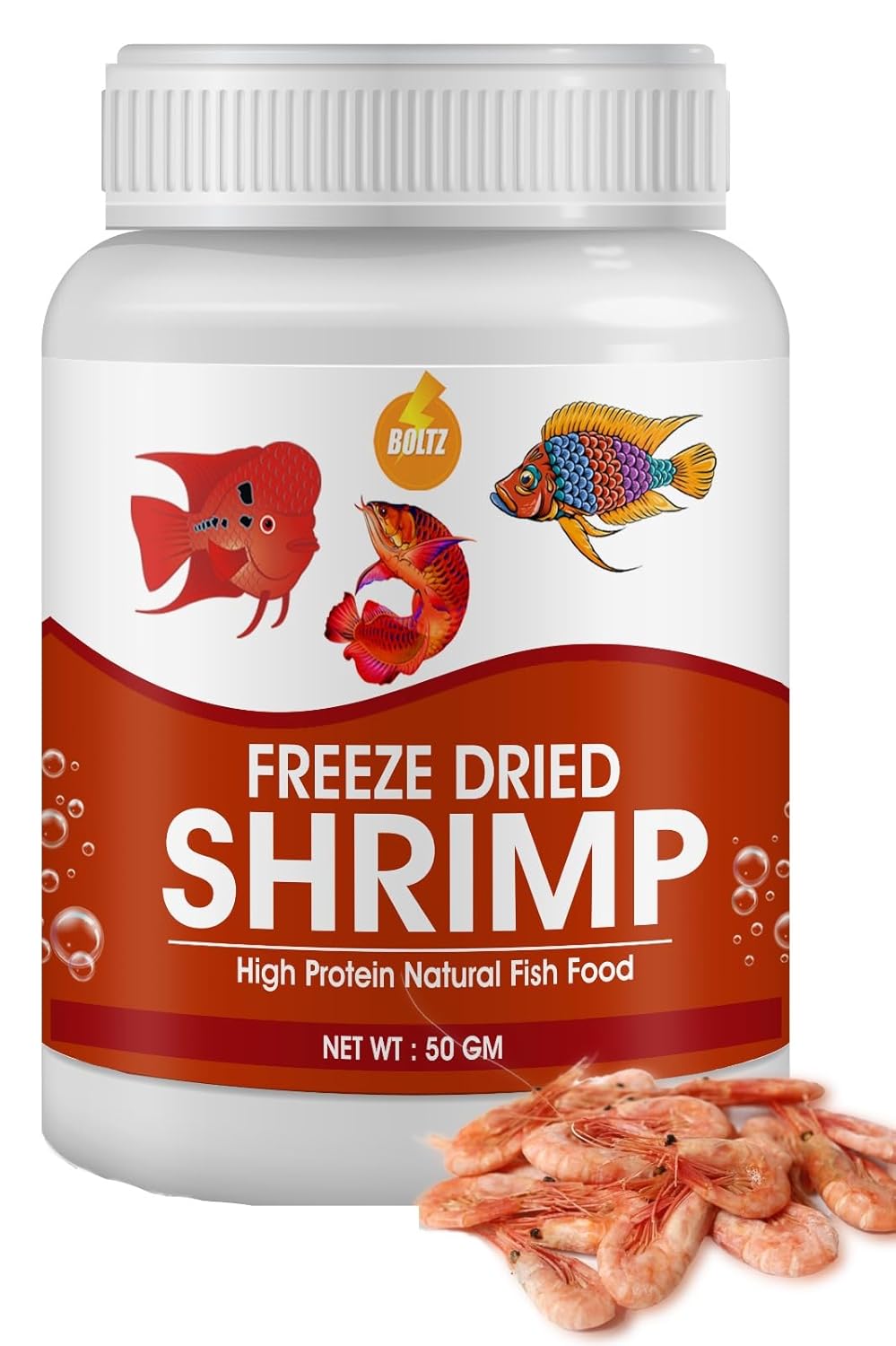
Freeze Dried Food refers to food that has been frozen and then dried under low pressure (vacuum) such that most water content evaporates while preserving structure, nutrients, and flavour. When it comes to shrimp, the whole shrimp (often head, body, tail, sometimes shell) is freeze‑dried so fish get the natural texture, protein content, and flavour as close to live/fresh shrimp as possible.
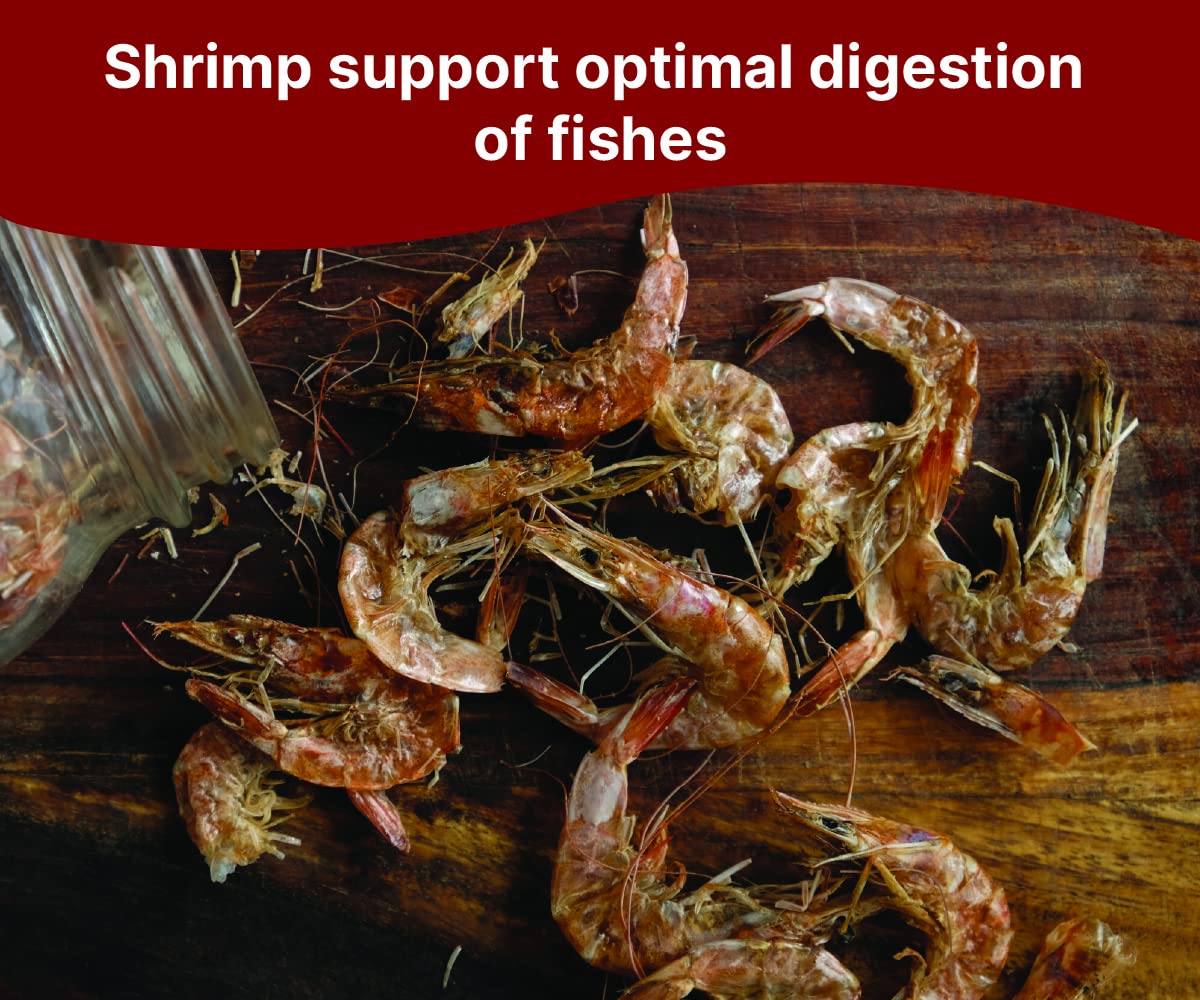
Shrimp freeze dried food is often minimally processed, without heavy cooking or additives, helping retain delicate nutrients like proteins, astaxanthin (a pigment), fatty acids, and minerals. It is sold in small granules, flakes, or whole shrimp pieces depending on target fish species (size, feeding style).
Nutritional Value of Freeze Dried Shrimp Food
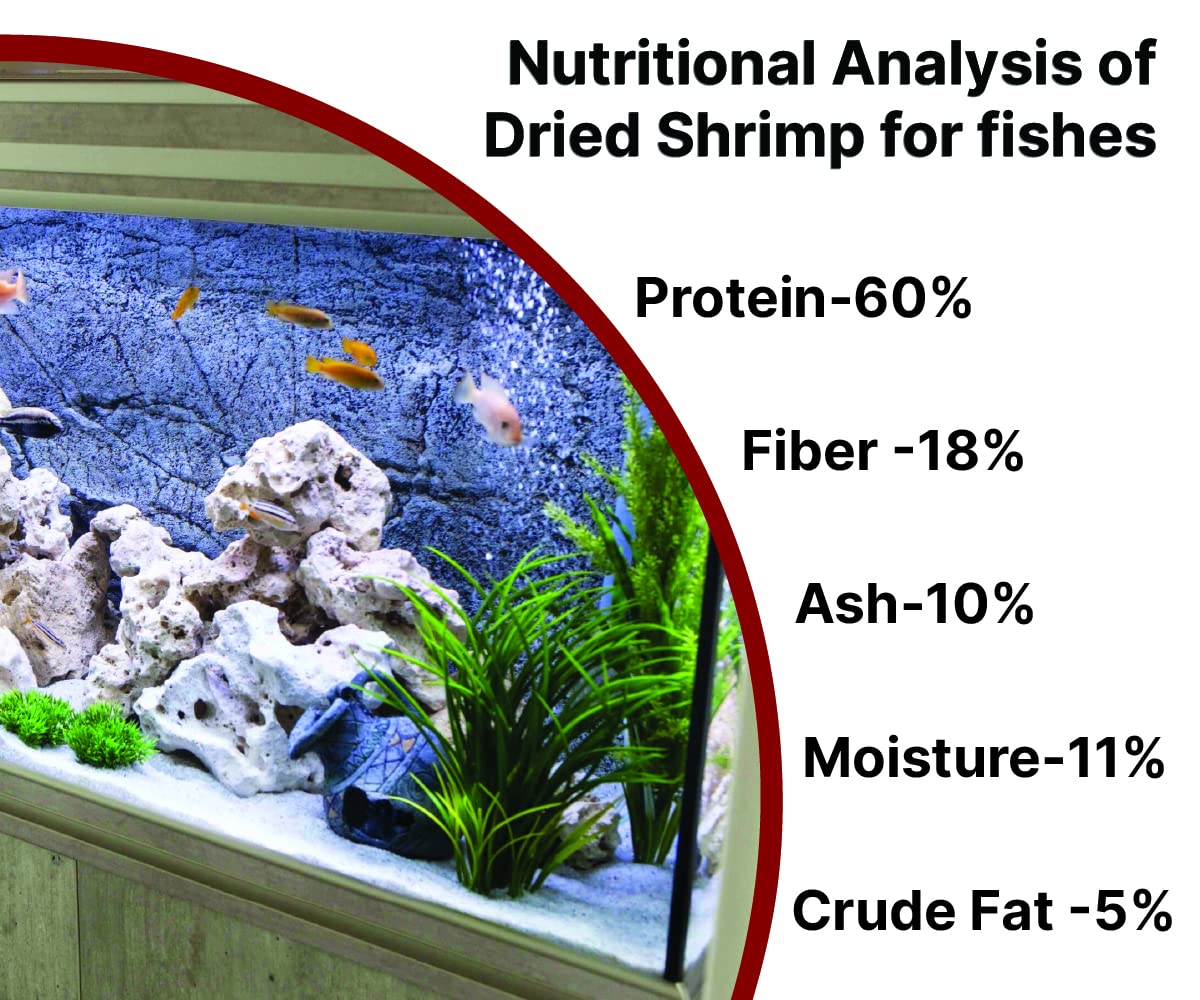
The nutritional content of high‑quality shrimp Freeze Dried Food is impressive. Some typical values, depending on brand and processing, include:
-
Protein content often in the range of 60‑70% or higher. For example, some freeze‑dried krill / shrimp products show ~71% protein. IndoHobby
-
Fat content relatively modest but with good quality lipids, essential fatty acids that help with skin, coloration, energy.
-
Moisture low—often <10%, which helps shelf life and prevents spoilage. taiyopetproducts.com+2IndoHobby+2
-
Fiber from shrimp shells or exoskeleton portions, helping with roughage, digestion.
-
Minerals & Pigments such as calcium, phosphorus, zinc, and color pigments like astaxanthin, which help fish show brighter, more vivid colors. Shrimp derived freeze‑dried food often helps color enhancement. Amazon India+2taiyopetproducts.com+2
Because moisture is low, the nutrient density (per gram) is quite high, making Freeze Dried Food a potent supplement in fish diets.
Benefits of Feeding Freeze Dried Shrimp Food to All Fishes
Using Freeze Dried Food shrimp offers a wide array of benefits:
-
High Protein Intake
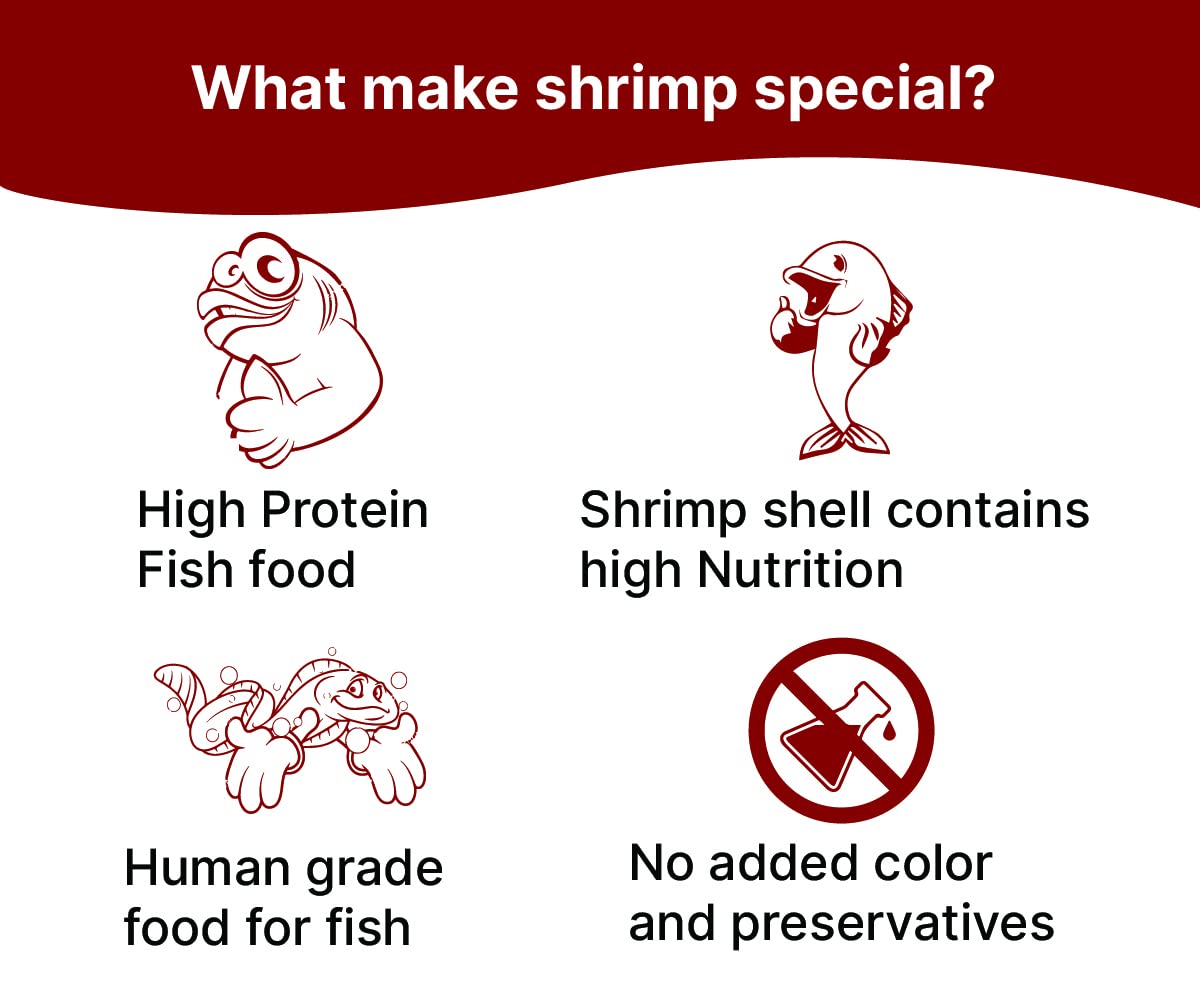
Protein is crucial for muscle growth, repair, metabolism, reproduction. Many carnivorous and omnivorous aquarium fishes thrive on shrimp diets. Freeze Dried Food shrimp delivers protein close to what live prey offer, but with less risk (parasites, spoilage).
-
Color Enhancement
Shrimp often contain natural pigments (astaxanthin, carotenoids) which enhance reds, oranges, pinks. Regular feeding with good Freeze Dried Food helps bring out vibrant coloration, particularly in ornamental species. Amazon India+2IndoHobby+2
-
Immune System Support
Shrimp contain micronutrients, vitamins, minerals which help bolster fish immune defenses. Well‑fed fish resist disease better, heal faster, show less stress.
-
Natural Feeding Behavior & Enrichment
Feeding freeze‑dried shrimp mimics natural prey items more than generic pellets. Fish enjoy hunting, pecking, tearing whole shrimp pieces, which provides behavioral enrichment.
-
Convenience and Shelf Stability
Compared to live or frozen foods, Freeze Dried Food is easier to store (no need for freezing), easier to dose, less risk of spoilage. It’s lightweight, portable, has longer shelf life. The Environmental Literacy Council+1
-
Reduced Risk of Parasites
Freeze‑drying kills or inactivates many parasites and pathogens that may be present in live prey. Thus, using Freeze Dried Food shrimp is safer in that respect. The Environmental Literacy Council
-
Variety in Diet
Adding variety is essential to prevent nutritional deficiencies. Shrimp Freeze Dried Food can be rotated with pellets, flakes, frozen, or live foods. This variation helps prevent boredom and boosts overall fish health.
How to Use Freeze Dried Shrimp Food Properly
To get the most out of Freeze Dried Food shrimp, and to avoid potential problems, follow these guidelines:
-
Soak Before Feeding: Because moisture is removed, some freeze‑dried shrimp are very dry and airy; letting them soak briefly in aquarium water helps prevent digestive issues (like gulping air, constipation).
-
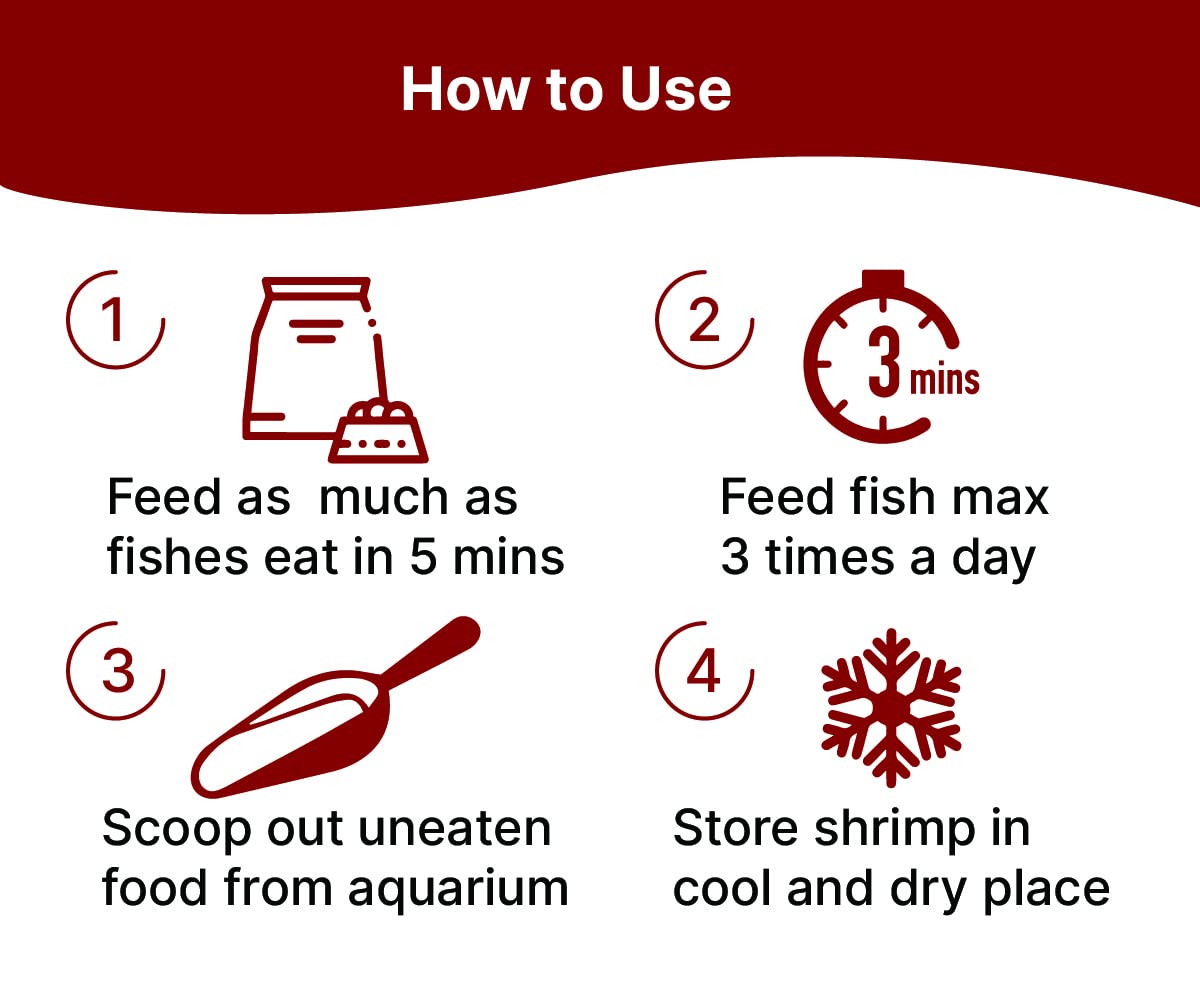
Feed in Moderation: Use as a supplement, not the sole diet. Overfeeding can lead to waste, water quality issues (uneaten food decomposes), obesity, or digestive stress.
-
Match Size to Fish: Whole shrimp or large pieces may be fine for large, aggressive, carnivorous species; smaller fish may need shrimp broken up or crushed.
-
Frequency: Many fish keepers feed freeze‑dried shrimp 1‑3 times per week, depending on species, need for richer protein or color enhancement.
-
Remove Uneaten Portions: If food is not eaten in a few minutes, remove to prevent water deterioration.
-
Rotate Diet: Combine Freeze Dried Food shrimp with other food forms—pellets, flakes, live, frozen—to ensure balanced nutrition.
Which Species Benefit the Most
Many fishes benefit greatly from shrimp Freeze Dried Food; some groups especially so:
-
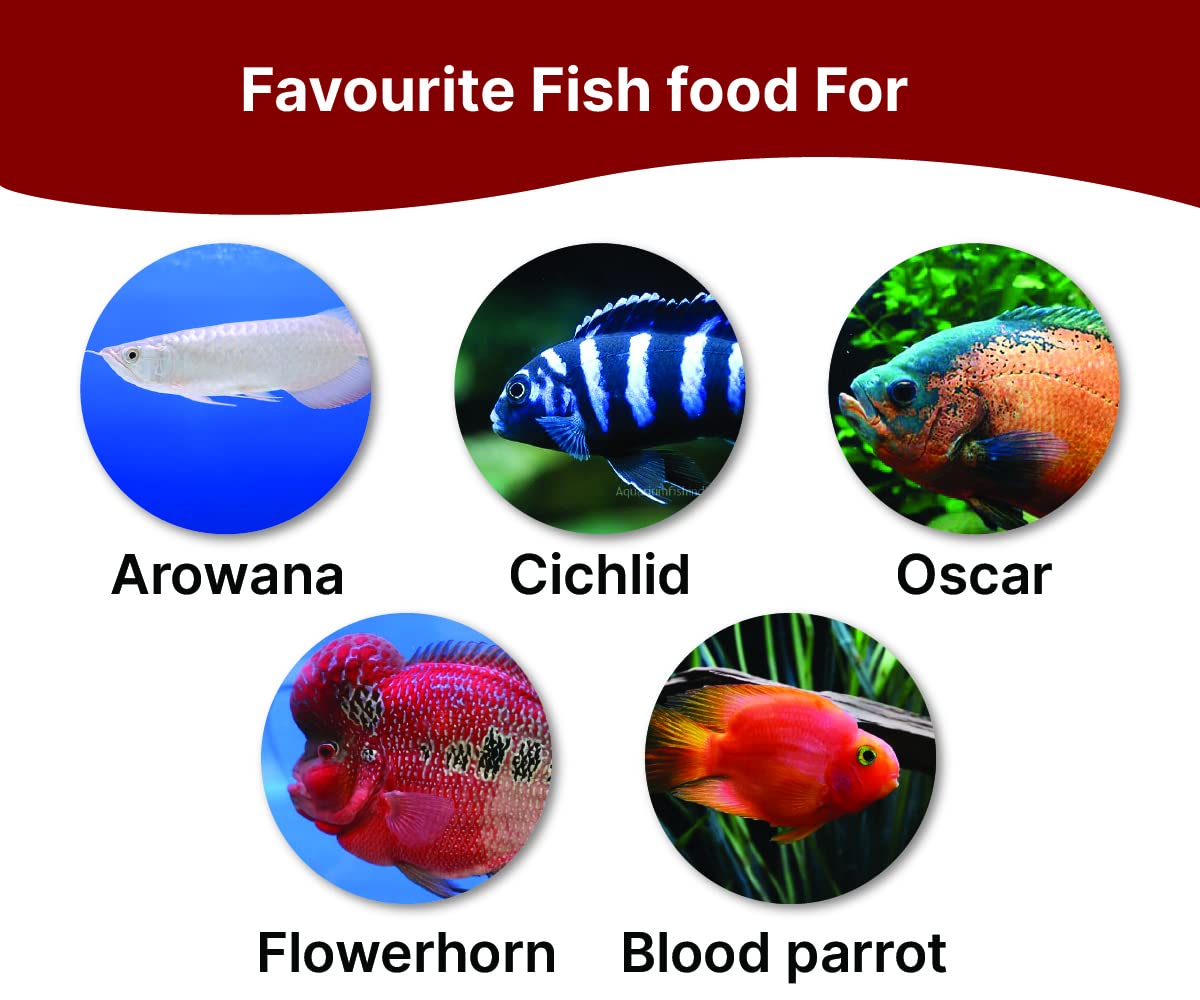
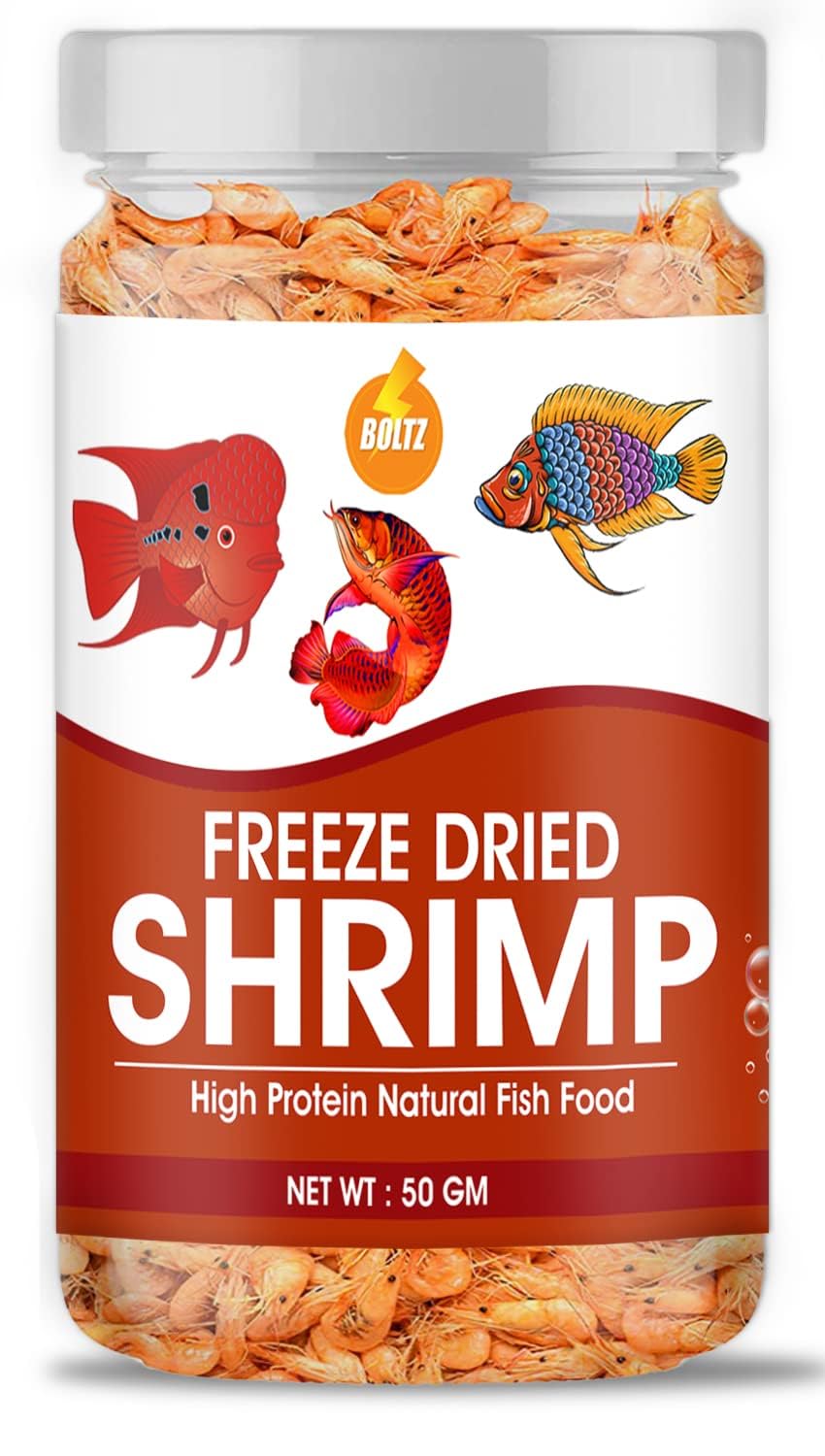
Large carnivores / predatory species: Arowana, Oscars, Flowerhorn, Red Parrot, etc. Benefit from dense protein and whole prey feel. growbasket.in+2Amazon India+2
-
Colorful ornamentals: Fish with bright color demands show noticeable improvement with carotenoids from shrimp.
-
Finicky eaters: Shrimp smell/taste often more enticing, helps coax shy or picky fish to begin feeding.
-
Young / juvenile fishes: For growth, although some smaller juveniles need pieces small enough and easily digestible.
-
Marine / reef fish: Some marine species feed on crustaceans/prey in nature; freeze‑dried shrimp is closer to their natural diet.
Possible Limitations & Things to Watch Out For
While Freeze Dried Food shrimp is excellent, there are some considerations:
-
Low Moisture: Dryness can cause digestive issues if fish ingest air or food isn’t softened. Soaking helps.
-
Single‑Ingredient Limit: Shrimp alone may lack certain nutrients (vitamins, essential fatty acids found in other foods). So not a full complete diet.
-
Costlier Than Ordinary Foods: Freeze‑dried items tend to be more expensive than standard pellets or flakes.
-
Potential for Overfeeding: High nutrient density means small amounts go a long way; feeding too much can harm water quality.
-
Shell Fragments: Shrimp shell (exoskeleton) provides fiber / roughage, but if too large or too tough, may be hard for some fish to digest.
-
Allergy or Sensitivity: Rarely, fish might show intolerance to shrimp if overused; also good to ensure product is clean, without contaminants.
Comparison: Freeze Dried Food vs Other Types
Here’s how shrimp Freeze Dried Food stacks up against pellets, flakes, frozen, and live foods:
| Feature |
Freeze Dried Shrimp Food |
Pellets / Flakes |
Frozen / Live Foods |
| Nutrient retention |
Very high (proteins, pigments preserved) |
Good, but some loss during manufacturing and storage |
Very high, but require more storage and risk (parasites, handling) |
| Shelf life & convenience |
Excellent; no freezing needed |
Good; mustard shelf life, but may degrade over time |
Restricted; need freezing or careful handling, risk spoilage |
| Cost |
Higher per gram |
Lower per serving |
Variable; often more expensive than dried, depending on species |
| Risk of pathogens |
Lower than live foods; drying kills many pathogens |
Low, if manufactured well |
Higher, especially with live feed if not cultured properly |
| Variety & completeness |
Great as supplementary; needs other feeds for completeness |
Designed to be balanced diet purpose built |
Live/frozen mimic natural prey; rich but may lack some vitamin fortification unless enriched |
How to Choose Quality Freeze Dried Shrimp Food
To ensure you get the best Freeze Dried Food shrimp possible, consider:
-
Check protein content: Look for high protein percentage in guaranteed analysis (often 60‑70%)
-
Ingredient list should be simple: ideally “shrimp, maybe added vitamins/minerals,” no unnecessary fillers or artificial coloring/preservatives.
-
Brand reputation & sourcing: Shrimp sourced from clean waters, processed hygienically, freeze‑dried properly.
-
Packaging: Should protect from moisture, have resealable or airtight packaging.
-
Shell or exoskeleton inclusion: Shell adds fiber and digestive help, but should be edible for your fish.
-
Size of shrimp pieces: Appropriate for your fish species.
Best Brands & Examples (Real Products)
Here are some known products / brands you can refer to which represent high quality Freeze Dried Food shrimp:
-
Taiyo Pluss Discovery Shrimp‑E: Crude protein ~66%, minimal additives, fish & marine compatibility. taiyopetproducts.com
-
Sera FD Krill: Freeze‑dried krill (small shrimp type), high‐protein (~71%), color enhancement, used for large freshwater and marine fish. IndoHobby
-
Exymo Freeze‑Dried Shrimp Fish Food: Natural shrimp with ~68% protein for large ornamentals. exymo.in
-
Petish Shrimp E Natural & Premium Freeze‑Dried: High growth, tasty, no synthetic colors or preservatives. Amazon India
These illustrate the norms and standards you should expect: high protein, clean ingredient lists, good processing.
Feeding Guidelines & Best Practices
To ensure your fishes thrive on Freeze Dried Food shrimp, follow these feeding tips:
-
Introduce gradually: When switching to or introducing freeze‑dried shrimp, do so slowly alongside existing diet to avoid digestive shock.
-
Feed small portions: Fish should eat what’s given in a few minutes. Remove leftovers.
-
Soak or pre‑wet: Especially for species prone to gulping or air intake; soaking helps soften food and reduce gas issues.
-
Feed 1‑3 times per week as a supplement rather than daily staple (unless advised by a fish nutrition expert).
-
Observe fish behavior: If fish readily eat the shrimp, show good digestion, strong coloration and growth, then continue. If signs of bloating, floating, digestion issues, adjust frequency or amount.
-
Ensure water quality: With high protein foods, there is risk of ammonia, nitrite release if uneaten food or overfeeding. Good filtration and regular water changes help.
Long Term Impact of Using Freeze Dried Shrimp Food
Over weeks and months, the proper use of Freeze Dried Food shrimp in a fish diet can lead to noticeable long‑term improvements:
-
Brighter, more natural colors in many species.
-
Improved health markers: less disease, better immune response.
-
Growth rates may increase in well‑fed fish, especially juveniles.
-
Better appetite and less picky eating.
-
Reduced stress behaviors.
However, neglecting balance (overreliance on shrimp freeze‑dried) can lead to gaps in micronutrients or digestive issues, so balance remains key.
Summary
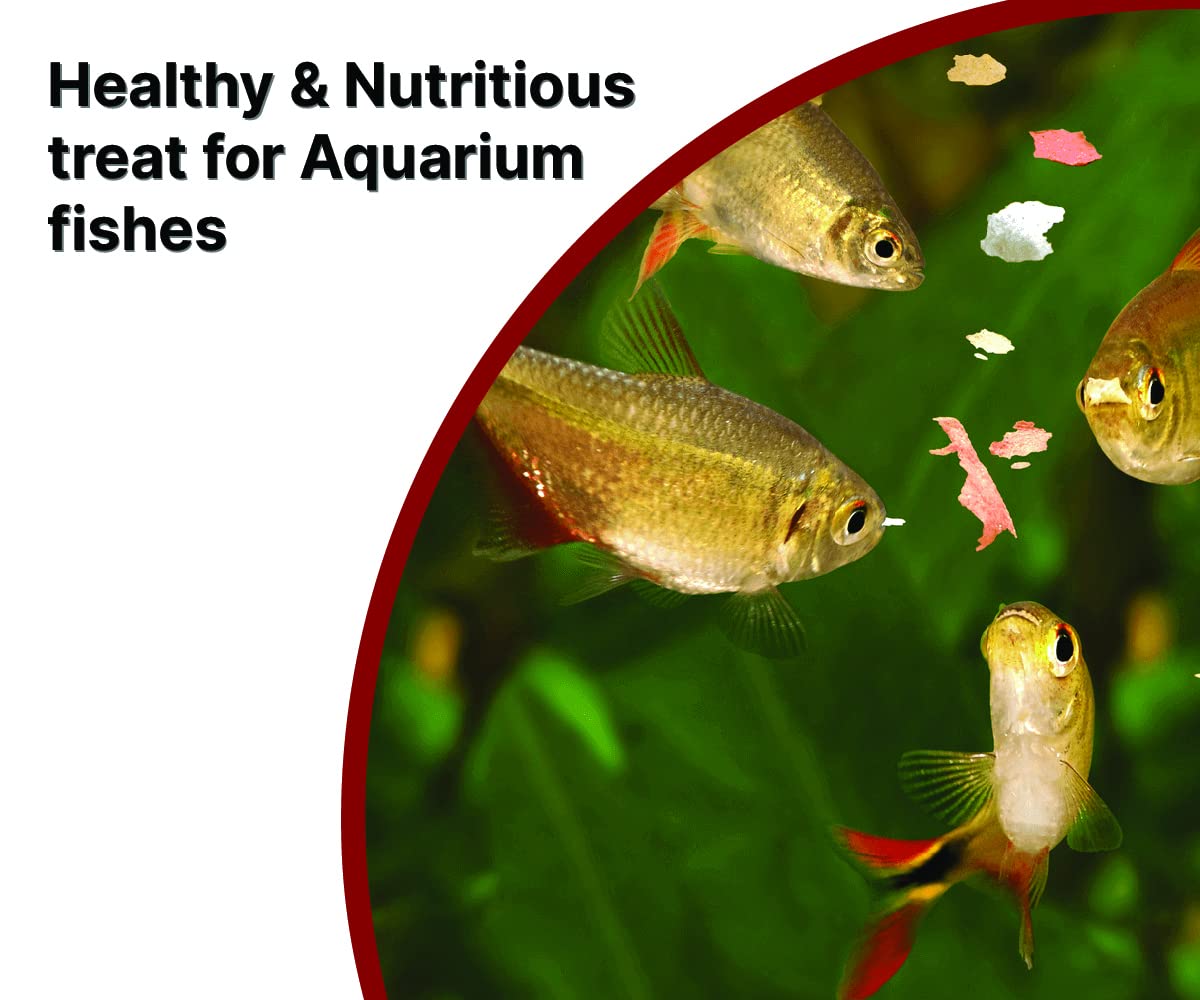
In conclusion, Freeze Dried Food shrimp is an excellent dietary supplement for aquarium fishes. It provides high protein, natural pigments, vitamins, and minerals in a shelf‑stable, convenient form. With proper feeding practices—soaking, moderation, variety—you can significantly enhance your fish’s growth, color, immune health, and overall wellbeing.
When choosing Freeze Dried Food, prioritize quality, simple ingredients, good processing, and the right size for your fish. Combine with other food types and maintain water quality.
More Examples & Data from Existing Products
-
Petlers Shrimpy Premium FD is freeze‐dried shrimp treats made from 100% pure, natural human‑grade shrimp. It includes the shell, adding roughage, and is claimed to have up to ~59% crude protein. petlers.com
-
EXYMO Freeze Dried Grinded/Crushed Shrimp Fish Food offers ~48% protein, ~8% fat, ~3% fiber, and is tailored for smaller tropical fish like guppy, tetra etc. exymo.in
-
Taiyo Pluss Discovery Shrimp‑E has ~66% protein, ~5% fat, ~5% fibre, moisture ≤10%. It’s suitable for many fish types (tropical, marine, goldfish etc.), especially finicky eaters. taiyopetproducts.com
These show typical nutritional profiles for good freeze‑dried shrimp foods, helping you benchmark what your description should promise/compare with.
Extra Benefits & Uncommon Advantages
-
Natural Colour Boosters
Shrimp contain natural pigments (carotenoids, astaxanthin) which help intensify reds, oranges, and pinks in fish. Freeze‑dried shrimp preserve these better than heavily processed feed.
-
Digestive Roughage
Including shell/exoskeleton in freeze‑dried shrimp adds fibre/roughage. That helps support digestion, stool quality, and gut motility. Products like Petlers with whole shrimp show this benefit. petlers.com
-
Enhanced Appetite & Feeding Behavior
Many fish respond better to freeze‑dried shrimp due to its natural aroma, texture, flavour. This is useful for picky feeders or fish recovering from illness.
-
Shelf Stability & Low Waste
Freeze‑dried food keeps long without refrigeration, if stored correctly. Because it’s low moisture and protected from light/air, spoilage is minimized. Unused food, when packaged well, remains usable for long.
-
Ease of Use
Frequent feedback (from product pages) notes that freeze‑dried shrimp is easy to feed, portion control is simpler (break/crush for smaller fish), less mess than frozen items.
Things to Watch For / Potential Downsides
-
Low Moisture
One downside: freeze‑dried foods lack moisture. Fish that require moist food or are prone to digestive issues may need the freeze‑dried food soaked first to reduce risks of constipation or air swallowing.
-
Not Always Complete Diet
Freeze‑dried shrimp is often high in protein, but may not supply all vitamins, minerals, or essential fatty acids required daily. It is usually best as a supplement, not sole staple.
-
Cost
Freeze‑dried shrimp tends to cost more per gram than many flakes or pellets due to the processing involved. Buyers need to weigh the benefit vs cost.
-
Possible Dust & Fragility
Some products are brittle and produce dust, which can settle or cloud water if uneaten bits aren’t removed. Good packaging, proper storage, and feeding small amounts can mitigate.
-
Overfeeding Risks
Because freeze‑dried shrimp is nutrient‑dense, feeding too much can increase waste in the tank, cause water quality decline, or lead to health issues. Moderation is important.
Practical Tips & Best Practices
-
Soak Before Feeding: Let shrink soften in tank water or a separate container before feeding; helps reduce air pockets and aids digestion.
-
Feed in Small Portions: Only as much as fish eat within a short interval (1‑2‑3 minutes or as suggested by product). Remove leftovers.
-
Rotate Diet: Don’t rely entirely on freeze‑dried shrimp; include pellet/flake/frozen/live feeds to ensure balanced amino acid, vitamin, micronutrient intake.
-
Match Size to Fish: For small fish, crush/grind; for large fish, whole or large pieces. Avoid choking hazards.
-
Maintain Tank Cleanliness: Since freeze‑dried shrimp can drop bits or dust, ensure good filtration and remove uneaten bits promptly.
-
Freeze Dried Food and Breeding Programs
Aquarium enthusiasts and professional breeders know that nutrition plays a key role in successful fish breeding. Protein-rich diets are essential to stimulate spawning behaviors and enhance reproductive health. Freeze Dried Food, particularly shrimp, provides the high-quality proteins and natural enzymes necessary for gonadal development and energy production during the breeding cycle.
For species like bettas, discus, and livebearers (guppies, mollies, platies), incorporating Freeze Dried Food into their diet before and during the breeding season can significantly improve egg production, fertilization rates, and fry survival. The added carotenoids in shrimp also support hormonal activity, leading to more vibrant spawning colors and courtship displays.
Moreover, since freeze-dried shrimp is easy to portion and less likely to carry harmful bacteria compared to live food, it’s a safe option when raising sensitive fry. Crushed or powdered Freeze Dried Food can even be fed to young fish during their early development stages as a supplement to micro worms, infusoria, or baby brine shrimp.
Enhancing Fish Color Naturally with Freeze Dried Food
Color vibrancy is one of the most desired traits in ornamental aquarium fish. Whether you’re keeping cichlids, goldfish, or marine angelfish, natural pigmentation plays a significant role in their visual appeal and health status. Many hobbyists turn to artificial color-enhancing flakes or pellets, but these often contain synthetic dyes that offer only temporary results.
On the other hand, Freeze Dried Food made from whole shrimp contains natural color-enhancing pigments like astaxanthin, beta-carotene, and canthaxanthin. These carotenoids are naturally occurring in shrimp and krill, and they directly contribute to deeper reds, oranges, and golds in fish coloration. Over time, fish that are regularly fed Freeze Dried Food exhibit more consistent and lasting color enhancement compared to those fed on synthetic alternatives.
The visual benefits are not just aesthetic. In the wild, fish display intense coloration as a sign of health, territory, and dominance. In aquariums, a fish with brighter colors often indicates it is less stressed and in optimal health.
Environmental Impact and Sustainability
Another important factor to consider when choosing a fish food is its environmental footprint. Live and frozen foods often have high spoilage rates and require refrigeration, which adds to energy consumption. Additionally, some live feed sources are harvested in unsustainable ways, contributing to the depletion of wild ecosystems.
Freeze Dried Food provides a more sustainable solution. It has a longer shelf life, minimal packaging waste, and does not require freezing or refrigeration. The production process also allows for better control over sourcing and quality. Reputable brands use responsibly harvested or farmed shrimp, ensuring minimal impact on wild shrimp populations.
Some manufacturers are now shifting toward eco-friendly packaging, reducing single-use plastic, and offering bulk purchase options. By choosing high-quality Freeze Dried Food, aquarium hobbyists not only provide better nutrition to their pets but also support more sustainable practices in the aquarium industry.



Reviews
There are no reviews yet.