Description
Dog Dental Chews: The Complete Guide to Oral Health for Your Dog
Keeping your dog’s teeth clean and their breath fresh is an essential part of pet care. While brushing is ideal, many pet owners seek complementary options. Among these, dog dental chews are some of the most popular and effective tools. This guide dives into everything you need to know about dog dental chews: what they are, how they work, benefits, ingredients, safety, choosing the right ones, and how to include them in your dog’s daily routine.
What Are Dog Dental Chews?
Dog dental chews are edible or partially edible items made specifically to help improve your dog’s oral hygiene. They are designed to be chewed, thus allowing mechanical cleaning of teeth surfaces. They often combine texture, shape, and active ingredients that help reduce plaque and tartar, freshen breath, and support overall gum health.
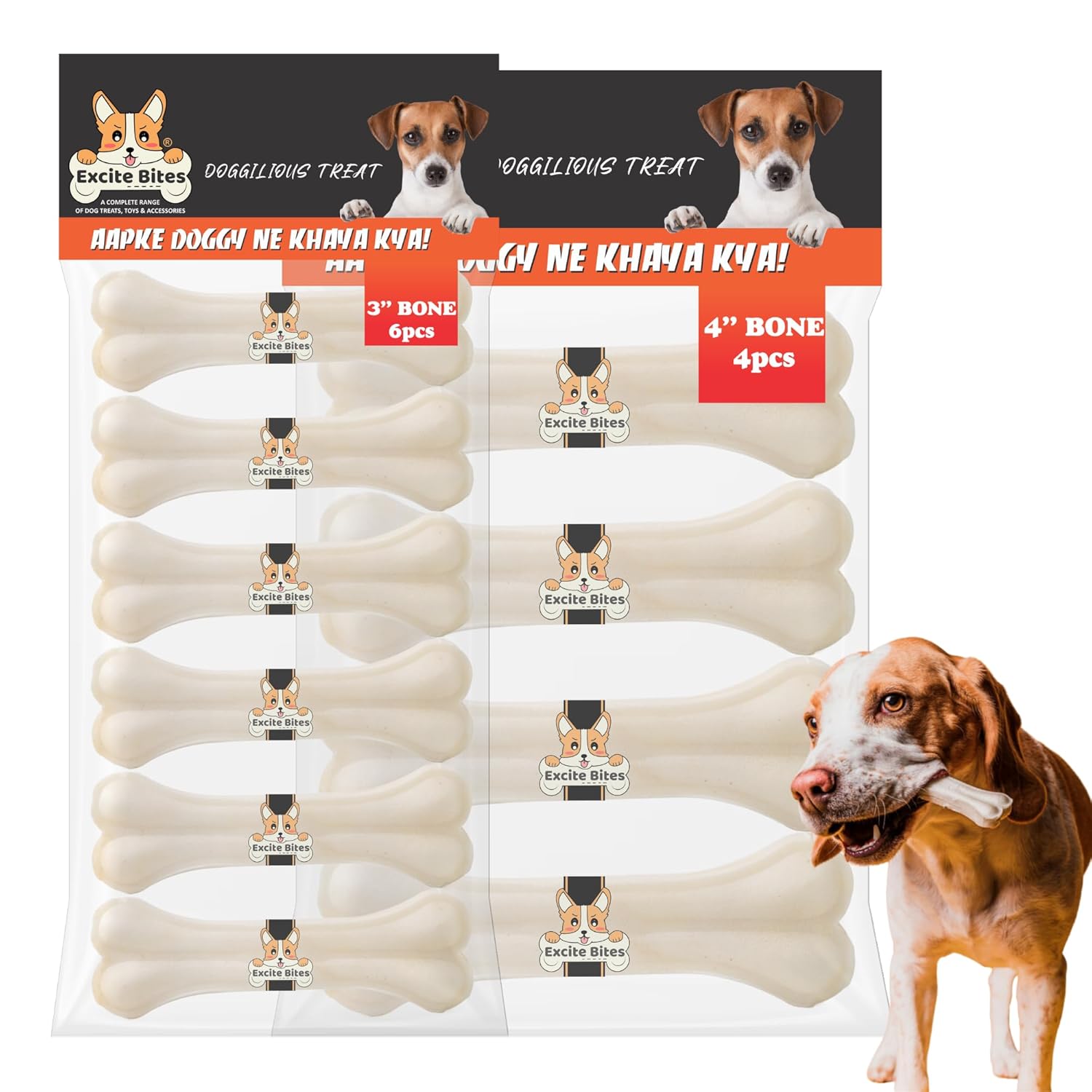
These chews come in a variety of forms: sticks, bones, biscuits, twist shapes, or more complex textured forms with ridges, grooves, or holes. Some are flavored (chicken, beef, mint, etc.), while others focus more on being natural or free from artificial additives. The typical goal is that when your dog chews, the friction and chewing action helps scrape off food debris and biofilm, and the active ingredients help control or prevent buildup of unwanted compounds.
How Dog Dental Chews Work
The effectiveness of dog dental chews arises from several mechanisms working together:
-
Mechanical Abrasion – The chewing action itself, especially with textured surfaces, ridges, grooves, etc., provides friction to remove food particles, plaque, and early tartar from teeth. drsenstpets.com+3WebMD+3doggyelite.com+3
-
Increased Saliva Production – Chewing stimulates saliva, which has natural cleaning and buffering properties. Saliva helps wash away loose particles and supports oral pH balance, reducing acid buildup. doggyelite.com+2Houndsy+2
-
Active Ingredients – Beyond physical cleaning, many dog dental chews include enzymes, chlorophyll, baking soda, sodium/potassium phosphate agents, antimicrobial components, etc., which act chemically to reduce bacteria, neutralize odor, or prevent mineral deposits. Houndsy+3petspot.ai+3drsenstpets.com+3
-
Design & Shape – Size and shape matter. Chews shaped to reach different areas of the mouth (molars, back teeth), or with grooves/ridges, help in reaching places that brushing might miss. Also, hardness needs balancing: hard enough for abrasion, but safe for teeth. doggyelite.com+2Houndsy+2
Benefits of Dog Dental Chews
When used appropriately, dog dental chews offer several important benefits:
-
Reduction in Plaque and Tartar
Many dog dental chews are shown to reduce plaque and tartar buildup. According to studies and reviews, regular chewing can significantly reduce the accumulation of plaque, and certain products with VOHC (Veterinary Oral Health Council) certification report a notable lowering in tartar levels. WebMD+2petviibs.com+2
-
Fresher Breath
Bad breath is frequently caused by bacterial buildup. The mechanical cleaning plus any breath‑freshening ingredients (mint, parsley, enzymes) in dog dental chews help combat odor. Many owners report visibly fresher breath after using appropriate chews regularly. Houndsy+2doggyelite.com+2
-
Better Gum Health
Chewing helps massage the gums, stimulating blood flow, and helps drop off plaque that irritates gums. Reduced inflammation and risk of gingivitis or periodontal disease can result from regular use of chews. drsenstpets.com+1
-
Preventive Oral Care
While dental chews are not replacements for brushing or dental check‑ups, they serve as preventive care that can slow or reduce oral disease progression, making vet visits and cleanings easier or less frequent. WebMD+2petviibs.com+2
-
Mental Stimulation & Stress Relief
Chewing is instinctive and satisfying for dogs. Dog dental chews keep them occupied, reduce boredom, and help relieve stress, which can otherwise lead to destructive chewing or behavior. Houndsy+1
-
Convenience
For many pet owners who find brushing difficult (dogs resisting, lack of time), dog dental chews provide a simple supplementary way to support oral hygiene without much effort. They can be used daily or a few times a week depending on the chew. WebMD+2doggyelite.com+2
Ingredients & What to Look For
Choosing good dog dental chews requires understanding what ingredients are helpful, and which ones may be problematic. Here are common ingredients, categorised by their function, plus some red flags.
Useful & Effective Ingredients
-
Enzymes (e.g., papain, bromelain) – break down plaque, help degrade biofilm. doggyelite.com+2petspot.ai+2
-
Abrasive agents / textured bases – cellulose, vegetable starches, firm chewable bases that assist mechanical cleaning. petspot.ai+2Healthy Pet Co.+2
-
Chlorophyll, mint, parsley, herbs – for breath freshening and mild antimicrobial effects. doggyelite.com+2Houndsy+2
-
Sodium/potassium phosphates (e.g. sodium hexametaphosphate) – helps reduce tartar by binding minerals in saliva. petspot.ai+1
-
Antimicrobial/anti‑plaque additives – e.g., certain agents like chlorhexidine in some chews. petspot.ai+1
-
Minerals – calcium, phosphorus, etc., sometimes included for enamel support. doggyelite.com+2Houndsy+2
Ingredients & Features to Avoid or Use with Caution
-
Very hard chews that could crack teeth, especially in small or old dogs. WebMD+1
-
Rawhide chews often have digestion issues and choking risks. WebMD+1
-
Excessive fillers, artificial colors/flavours, preservatives – these may trigger allergies or digestive issues. goodpaws.org+2Healthy Pet Co.+2
-
Sugars or sweeteners harmful to dogs (e.g., xylitol is toxic). ALWAYS check ingredient labels. mydogpaws.com
Certifications & Standards
-
VOHC seal of approval is one of the best indicators that a dental chew has been tested to reduce plaque or tartar. Products with that seal have documented efficacy. WebMD+1
-
Veterinary recommendations: talking to your vet to see what chews are safe and appropriate for your dog’s age, health status, and breed. drsenstpets.com
Choosing the Right Dog Dental Chews
Since there are many options, matching the chew to your dog’s needs is crucial. Here’s how to evaluate and select the most suitable dog dental chews:
-
Size & Chew Style
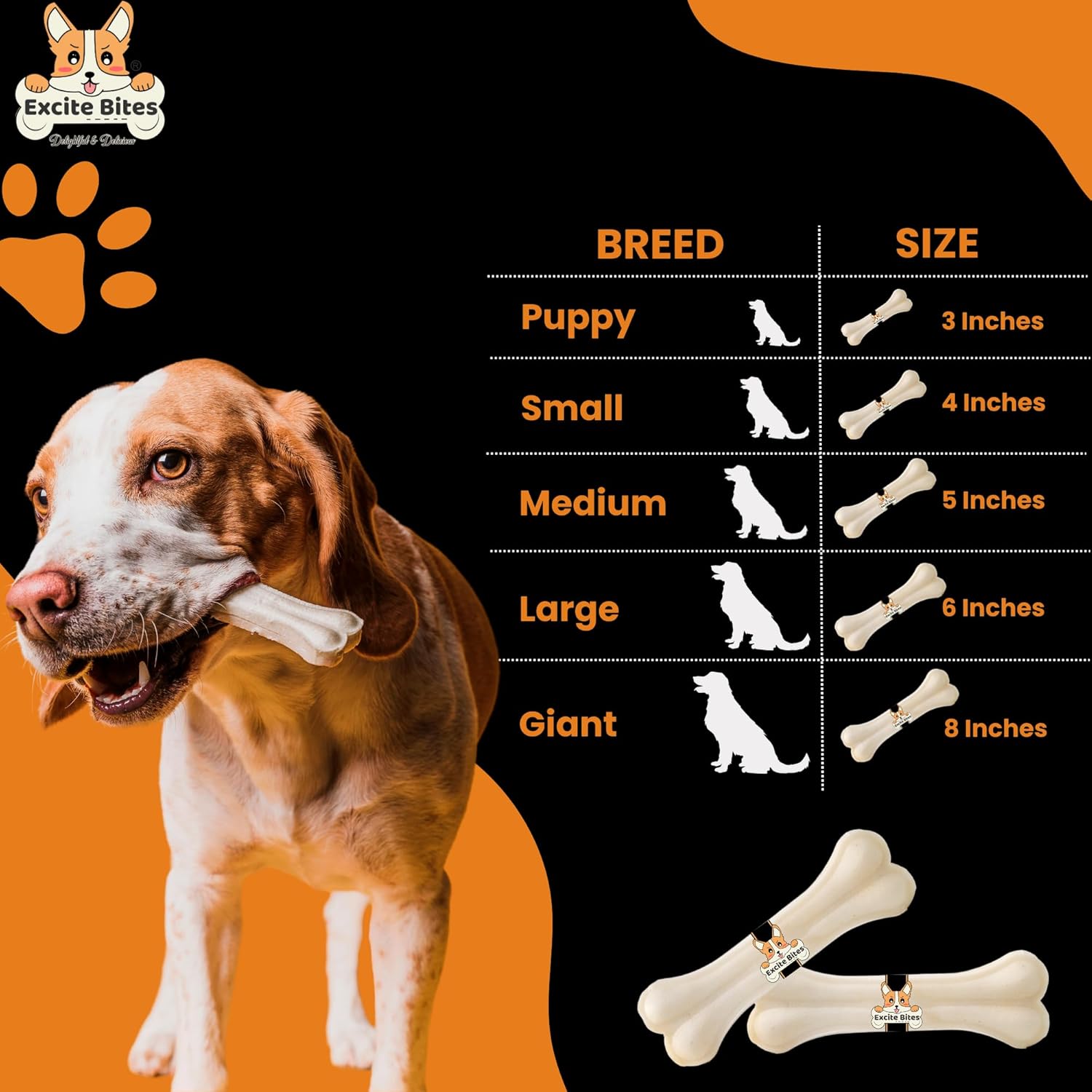
A chew should be sized so that your dog can hold it and chew comfortably. For small breeds, smaller or softer options; for large breeds, sturdier chews. Also, consider how aggressive a chewer your dog is – if they pulverise treats quickly, choose tougher options.
-
Texture & Shape
Textured surfaces, ridges, twisted shapes, grooves etc., help reach back teeth and perform more mechanical cleaning. Chew shapes that require “gnawing” or sucking are sometimes more effective.
-
Ingredients Quality
Prefer simpler ingredient lists: high‑quality proteins, minimal fillers, natural flavours, no toxic sweeteners, etc. If your dog has allergies, select chews that avoid known allergens.
-
Safety
Avoid choking hazards. Supervise chewing. Ensure the chew doesn’t splinter. Make sure chew is digestible or can be broken safely if large.
-
Frequency & Calories
Treats add calories. Dog dental chews should not exceed recommended treat‑calorie portion of the diet. Daily use may be possible, but in moderation.
-
Vet & Certification
Consider chews with VOHC or equivalent certification. Seek your vet’s advice especially for dogs with dental issues or other health concerns.
How Often & How Much to Use Dog Dental Chews
-
Many experts recommend using dog dental chews once per day or a few times per week, depending on the chew’s hardness and your dog’s dental health. petviibs.com+2drsenstpets.com+2
-
Puppies under certain age may need softer chews; adult teeth not fully developed so avoid extremely hard or large chews. petviibs.com
-
Monitor your dog’s weight and dental status. If gum swelling, bad breath, or plaque persists, adjust frequency or switch chew type.
-
Always supervise chew time. Some chews can break off into chunks, posing choking risk.
Safety Considerations & Potential Risks
While generally helpful, some risks come with dog dental chews:
-
Dental damage: Overly hard chews can cause fractures or damage tooth enamel.
-
Choking and blockages: If your dog swallows large pieces rather than chewing them, risk of choking or gastrointestinal blockage arises.
-
Allergic reactions or digestive upset: Due to certain flavours, proteins, preservatives.
-
Overuse leading to weight gain: Extra calories add up if chews are given too often.
-
False sense of security: Relying only on chews and ignoring brushing or professional dental checks can allow disease progression.
Comparing Dog Dental Chews with Other Dental Care Methods
| Method |
Advantages |
Limitations |
Best Combined With |
| Tooth brushing |
Very effective, root‑to‑gum cleaning |
Requires time, dog cooperation |
Dental chews, vet checkups |
| Dental chews |
Convenient, enjoyable, supports oral health, fresher breath |
Not as thorough as brushing; risk if misused |
Brushing, regular vet dental exams |
| Dental diets (special kibble) |
Some kibbles are structured to help clean teeth |
More expensive; dogs may not like them; needs consistent feeding |
Chews + brushing |
| Non‑edible chew toys |
Safe chewing behavior, less calorie intake |
Don’t offer flavor; may not help with odor or bacteria |
Edible chews + brushing |
How to Incorporate Dog Dental Chews into a Routine
Here are practical tips to include dog dental chews in your pet care schedule:
-
Use chews after meals or playtime: dogs are more likely to chew thoroughly when slightly hungry.
-
Offer one chew per day (or per guidelines) rather than multiple at once.
-
Keep dental chews varied to avoid flavor fatigue.
-
Always supervise the chew session and remove small broken‑off pieces.
-
Monitor teeth and gums: check for improvements or any sensitivity.
-
Continue brushing if possible. Even a few times a week helps.
Real‑World Examples & Product Types
While this guide is general, here are types of actual dog dental chews you might find useful (brands, shapes, formulations vary):
-
Stick or bone‑shaped chews with ridges (for larger dogs)
-
Twist or spiral style that allows dogs to chew on multiple edges
-
Enzymatic chews with breath‑freshening flavours like mint, parsley
-
Plant‑based chews (for dogs with protein sensitivity)
-
Softer chews for puppies or older dogs
Frequently Asked Questions (FAQs)
Q: Can dental chews replace brushing?
A: No. Dental chews are a helpful supplement but brushing remains the gold standard for cleaning near gumline and between teeth.
Q: Are dental chews okay for puppies?
A: Yes, but choose appropriately soft texture and smaller size. Puppies under 6 months often need gentler chews.
Q: How do I know if a chew is effective?
A: Look for reputable certifications (e.g., VOHC), check for studies or test data, read reviews. Also look at how your dog chews and what improvement (fresh breath, less tartar) you observe.
Q: How long should a chew last?
A: That depends on chew hardness, size, dog breed and chewing behaviour. More durable chews may last longer; others may get eaten quickly, but still may offer some benefit.
Q: Are expensive chews better?
A: Not always. Sometimes cost reflects marketing or premium flavouring rather than dental efficacy. Always check ingredient list and certification rather than only price.
Summary & Final Thoughts
Dog dental chews can be a powerful tool in promoting oral health, reducing plaque and tartar, freshening breath, and keeping gums healthy. When used properly, with attention to ingredient quality, size, texture, and supervision, chews provide real benefits. However, they are not a replacement for brushing, vet checkups, and proper overall dental care.
For best results:
-
Choose chews appropriate for your dog’s age, size, chewing style
-
Pick chews with good ingredients, minimal harmful additives
-
Use daily or as recommended
-
Combine with toothbrushing if possible
-
Monitor dental health over time
Investing a bit of care in selecting and using dog dental chews can lead to better comfort, fewer dental problems, fresher breath, and ultimately happier times for both you and your dog.
Myths & Misconceptions About Dog Dental Chews
With the rise in popularity of dog dental chews, several myths and misconceptions have also surfaced. Let’s debunk a few of them so pet parents can make better, evidence-based decisions.
Myth 1: All Chews Are the Same
Not all dog dental chews are created equal. While many products claim dental benefits, only a few have proven efficacy. The shape, texture, ingredients, and even chewing duration determine how effective a chew is. Chews with VOHC certification or those recommended by vets are typically more reliable.
Myth 2: If My Dog Chews Toys, They Don’t Need Dental Chews
Toys and dog dental chews serve different purposes. Toys can promote healthy chewing habits and reduce boredom, but they don’t offer the same level of plaque reduction or active ingredients found in dental chews. Chews are specifically formulated to combat oral bacteria and freshen breath.
Myth 3: Dental Chews Replace Vet Cleanings
While dog dental chews support good oral hygiene, they don’t eliminate the need for periodic professional dental cleanings. These cleanings allow vets to inspect below the gumline and address issues that chews can’t reach.
Myth 4: If It Smells Minty, It Must Work
Scented doesn’t always mean effective. Some low-quality products simply mask odor with artificial mint or herbal fragrances, without actually reducing bacteria. Always check ingredient lists and look for proven ingredients like enzymes or natural antimicrobials.
Transitioning Your Dog to Dental Chews
If your dog isn’t used to dog dental chews, transitioning them slowly can help ensure they accept and benefit from them.
Start with Small Pieces
Cut or break the chew into smaller parts, especially for puppies, senior dogs, or those new to chewing. Let them sniff and explore before introducing the whole chew.
Pair with Praise
Use positive reinforcement. When your dog chews appropriately, praise them. Associating the chew with a reward helps build a positive habit.
Choose Flavors Your Dog Likes
Some dogs prefer meaty flavors (like chicken or beef), while others may enjoy herbal or mint-based options. Trial and error may be needed before finding the best dog dental chews for your pet.
Supervise Initially
Always observe your dog during chew time, especially when introducing a new brand or shape. Monitor for signs of allergic reaction or chewing too quickly.
Eco-Friendly & Natural Dental Chews
As sustainability becomes more important to pet owners, several brands have introduced eco-conscious or natural dog dental chews made from:
-
Plant-based ingredients: Ideal for dogs with meat sensitivities or on specific diets.
-
Sustainably sourced materials: Bamboo fibers, sweet potatoes, or organic herbs.
-
Biodegradable packaging: Reducing plastic waste and environmental impact.
-
No artificial preservatives or GMOs: Making chews safer and cleaner for long-term use.
Natural chews can offer comparable benefits to conventional products, with fewer synthetic additives. If your dog has sensitive digestion or you prefer holistic pet care, this category is worth exploring.
Conclusion: Why Dog Dental Chews Are a Smart Investment
Maintaining your dog’s dental health is not just about avoiding bad breath—it’s about preventing serious health issues like periodontal disease, tooth loss, infections, and even organ damage due to bacteria entering the bloodstream.
Dog dental chews provide a practical, enjoyable, and effective solution to supplement brushing and vet cleanings. They offer real benefits in:
-
Reducing plaque and tartar
-
Improving breath
-
Supporting gum and tooth health
-
Providing mental stimulation
-
Helping build positive routines
Whether your dog is a growing puppy, a feisty adult, or a mellow senior, adding the right dog dental chews to their routine can significantly improve their overall quality of life.
Dental Chews for Puppies and Senior Dogs
Different life stages require different approaches when choosing dog dental chews. Puppies and senior dogs have unique oral health needs, and their chews must be selected with care.
Puppies (Under 12 Months)
Puppies go through teething stages that make their gums sensitive and sore. During this time, soft, pliable dog dental chews are ideal. These chews help:
-
Soothe sore gums
-
Discourage destructive chewing (like on shoes or furniture)
-
Introduce positive chewing habits early
-
Gently clean developing teeth
Always choose chews labeled as “puppy-safe” or “for teething.” These are usually free from harsh chemicals, artificial colors, and ingredients that could upset a puppy’s stomach.
Senior Dogs (7+ Years)
Senior dogs may have worn-down teeth, receding gums, or even missing teeth. For them, dog dental chews should be softer yet still effective. The best options for older dogs include:
-
Easy-to-chew textures
-
Joint-supporting additives like glucosamine (bonus)
-
Gentle cleaning without stressing the jaw
-
Low-calorie formulas for less active lifestyles
It’s also important to consult your vet before giving dental chews to dogs with advanced dental disease or missing teeth. They may recommend a special formulation or vet-approved alternative.
By tailoring the texture, size, and ingredients of dog dental chews to your pet’s age and health condition, you ensure that every stage of life includes proper dental care. When used wisely, dental chews are a simple, enjoyable way to protect your dog’s smile—right from puppyhood through their golden years.




Reviews
There are no reviews yet.