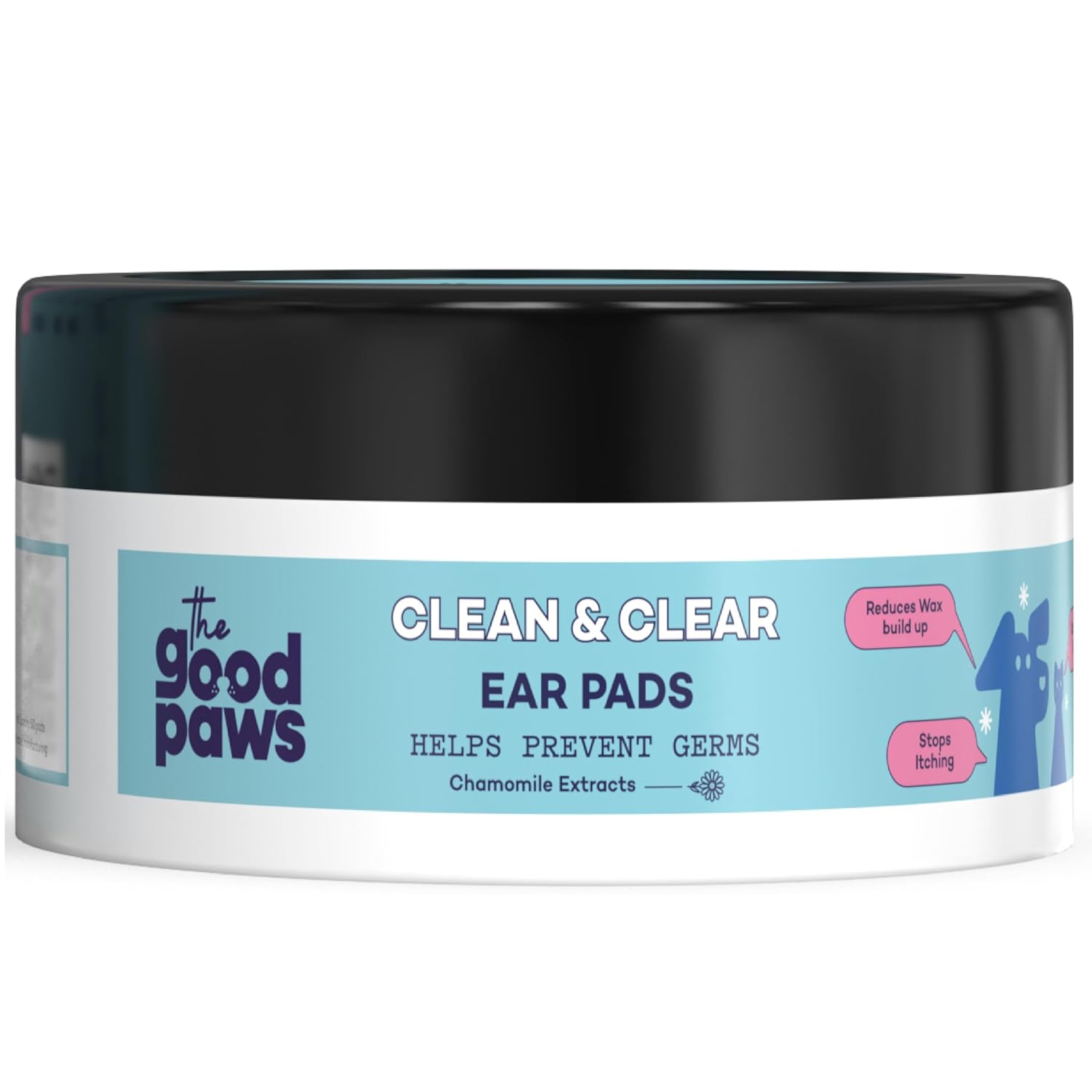
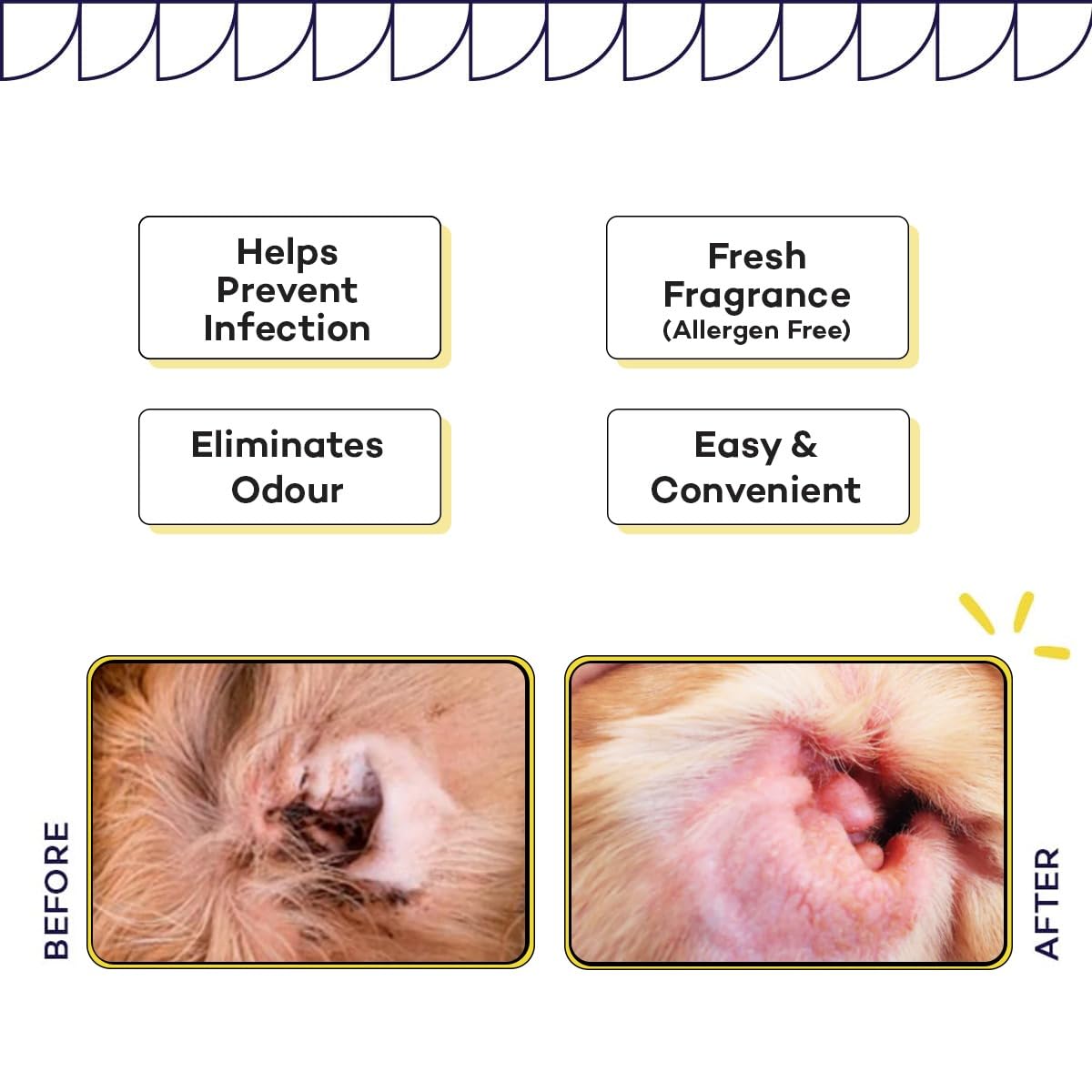
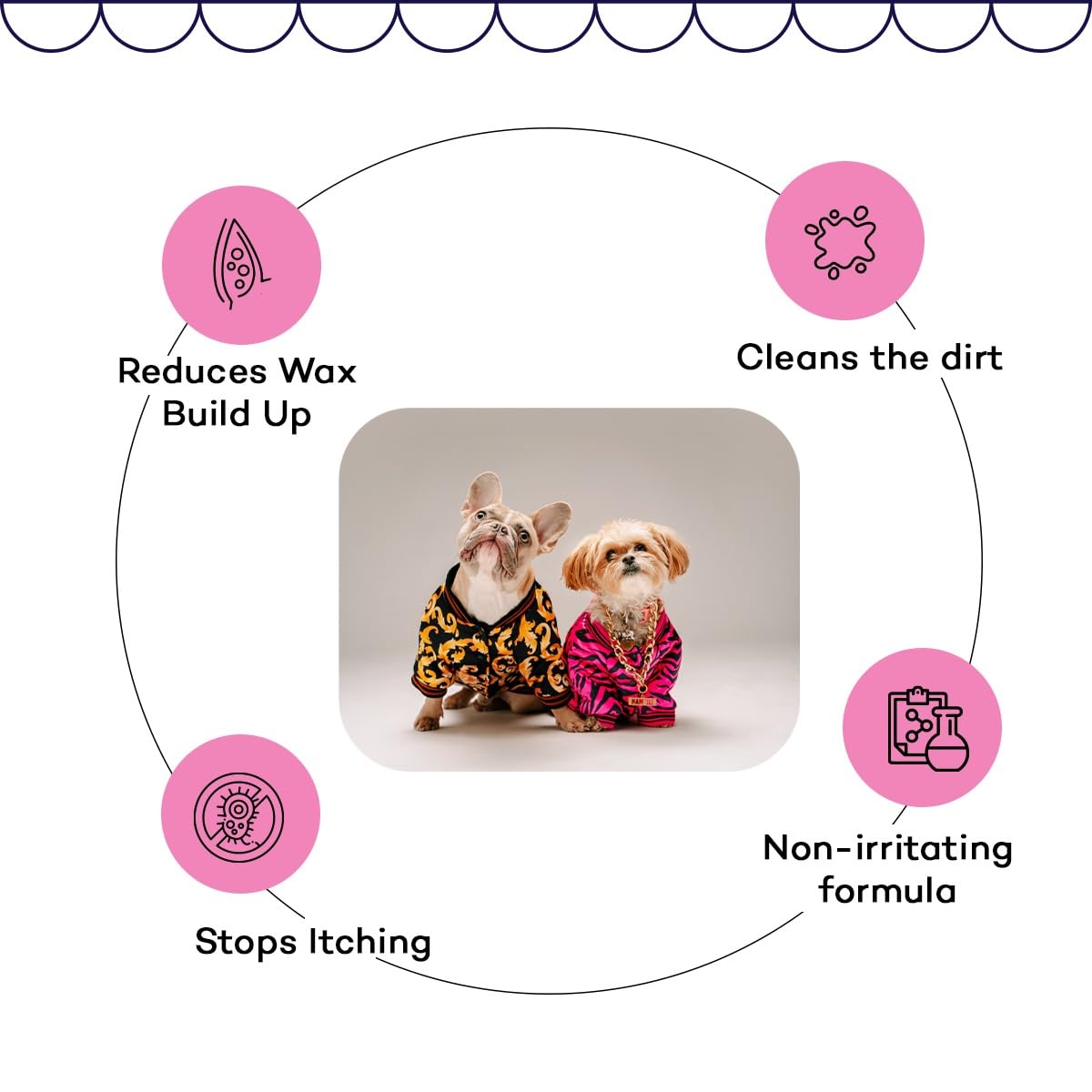
- WHY CLEAN & CLEAR EAR PADS?: Keep your pet’s ears fresh, clean, and healthy with Clean & Clear Ear Pads. These gentle wipes are designed to remove dirt, reduce wax build-up, and prevent odor, making ear care simple and stress-free for both you and your pet.
- WHY IT’S GOOD?: Clean & Clear wipes provide an all-in-one ear hygiene solution that not only cleans but also soothes your pet’s ears. Infused with calming chamomile, they reduce itching and scratching while promoting long-term ear health. Perfect for pets of all breeds and sizes, it’s a convenient way to prevent infections and discomfort.
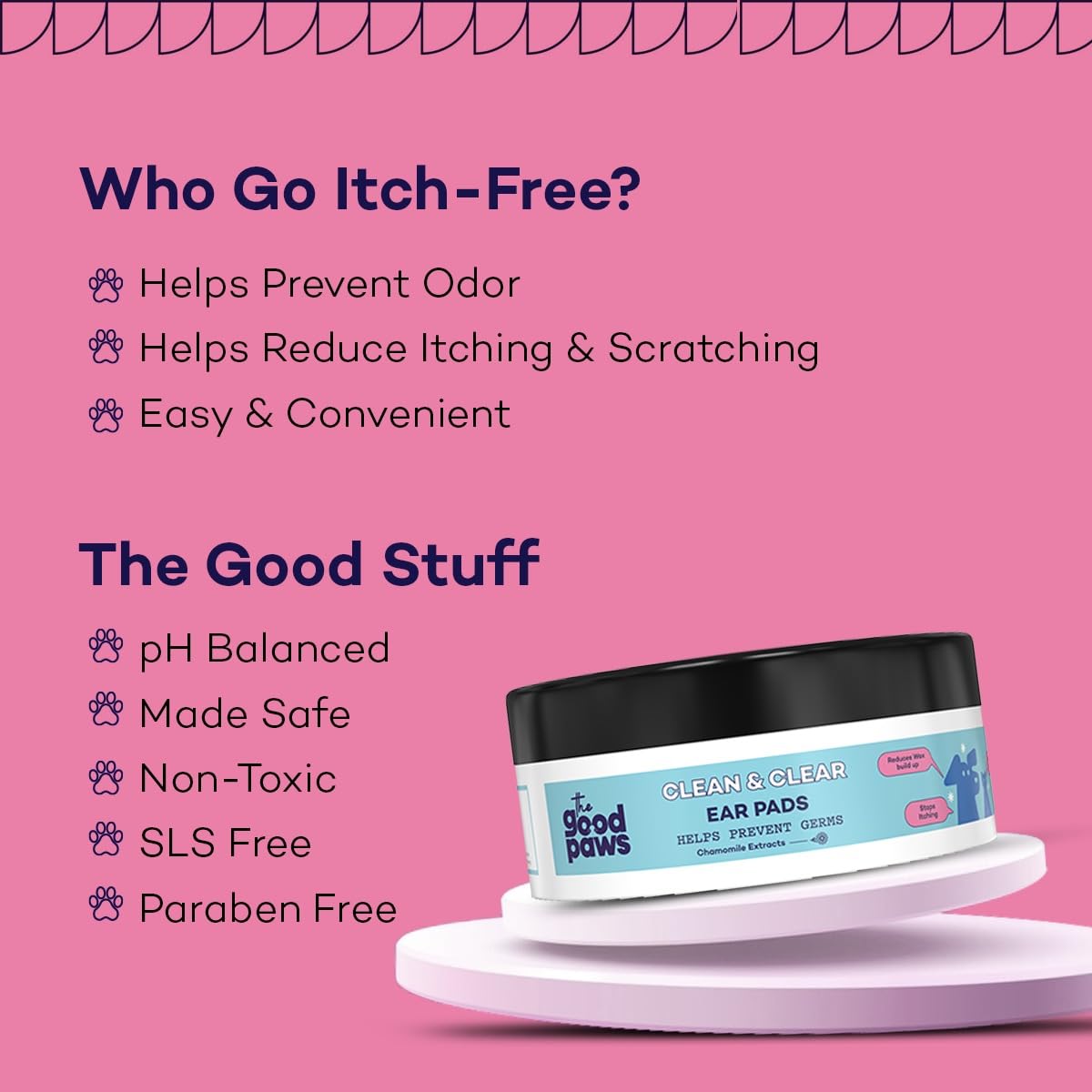
- THE GOOD STUFF: The Good Paws Clean & Clear Ear Pads are the ideal choice for maintaining your pet’s ear hygiene. These gentle wipes clean away dirt and prevent odors while reducing wax build-up. Infused with chamomile extracts, they soothe itching and scratching for added comfort. Convenient and easy to use, these wipes ensure your furry friend’s ears stay fresh and healthy, making ear care simple for pets of all breeds and sizes.
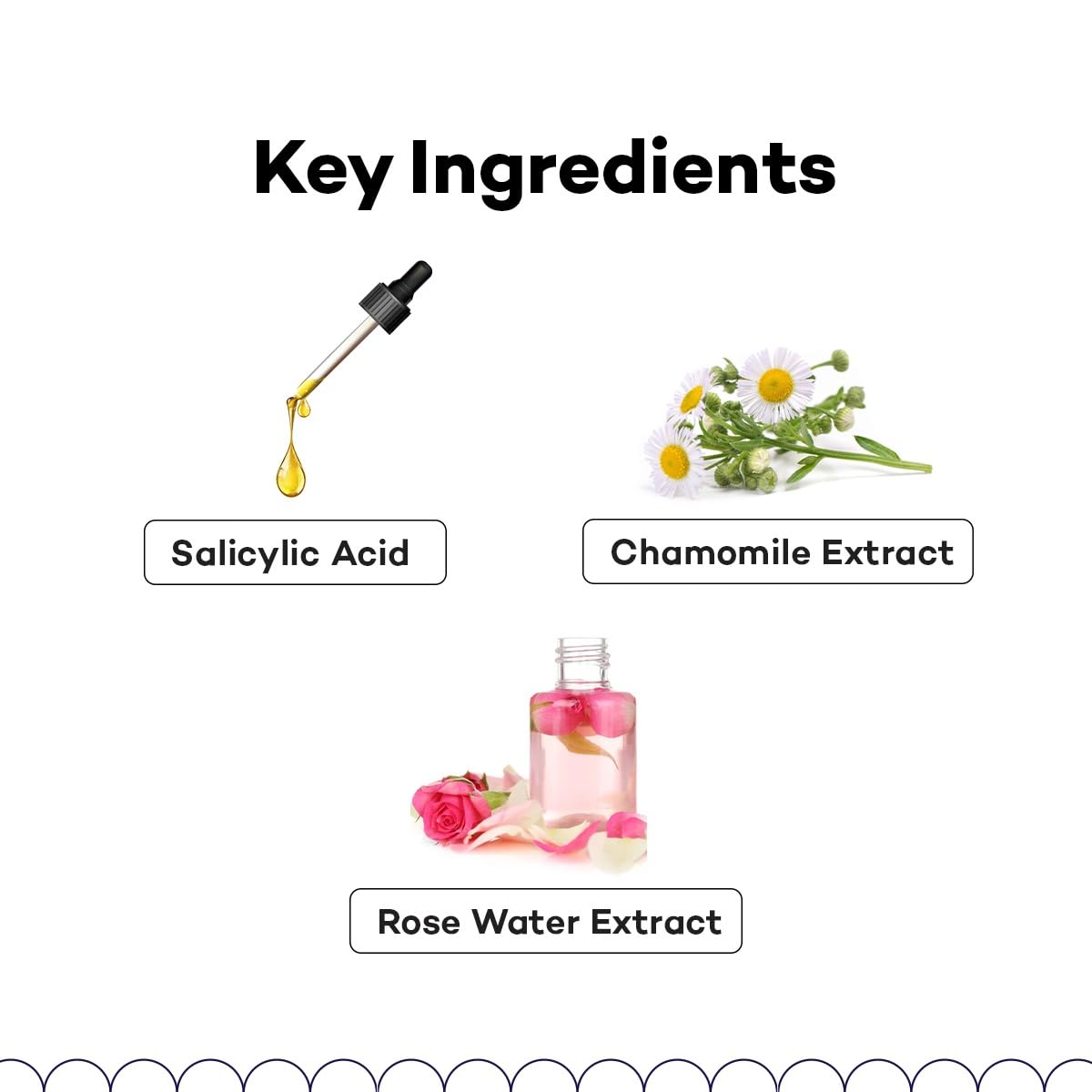
- CHAMOMILE EXTRACTS: It is a natural soothing agent known for its calming properties, making it perfect for pet care. In The Good Paws Clean & Clear Ear Pads, it alleviates irritation, reduces itching, and helps minimize inflammation. With its antibacterial benefits, chamomile promotes overall ear hygiene, ensuring your pet’s ears stay clean and healthy while enhancing their comfort and well-being.
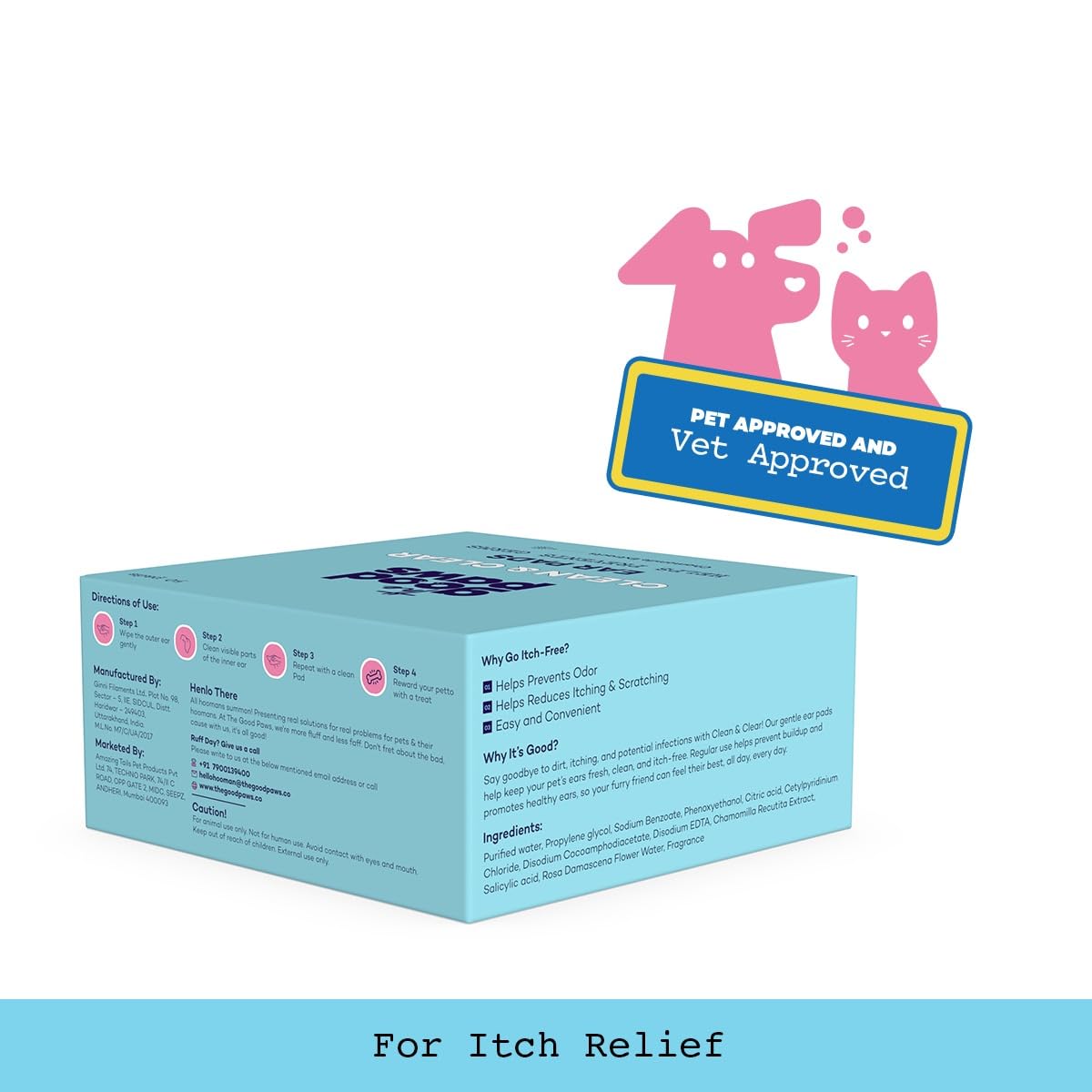
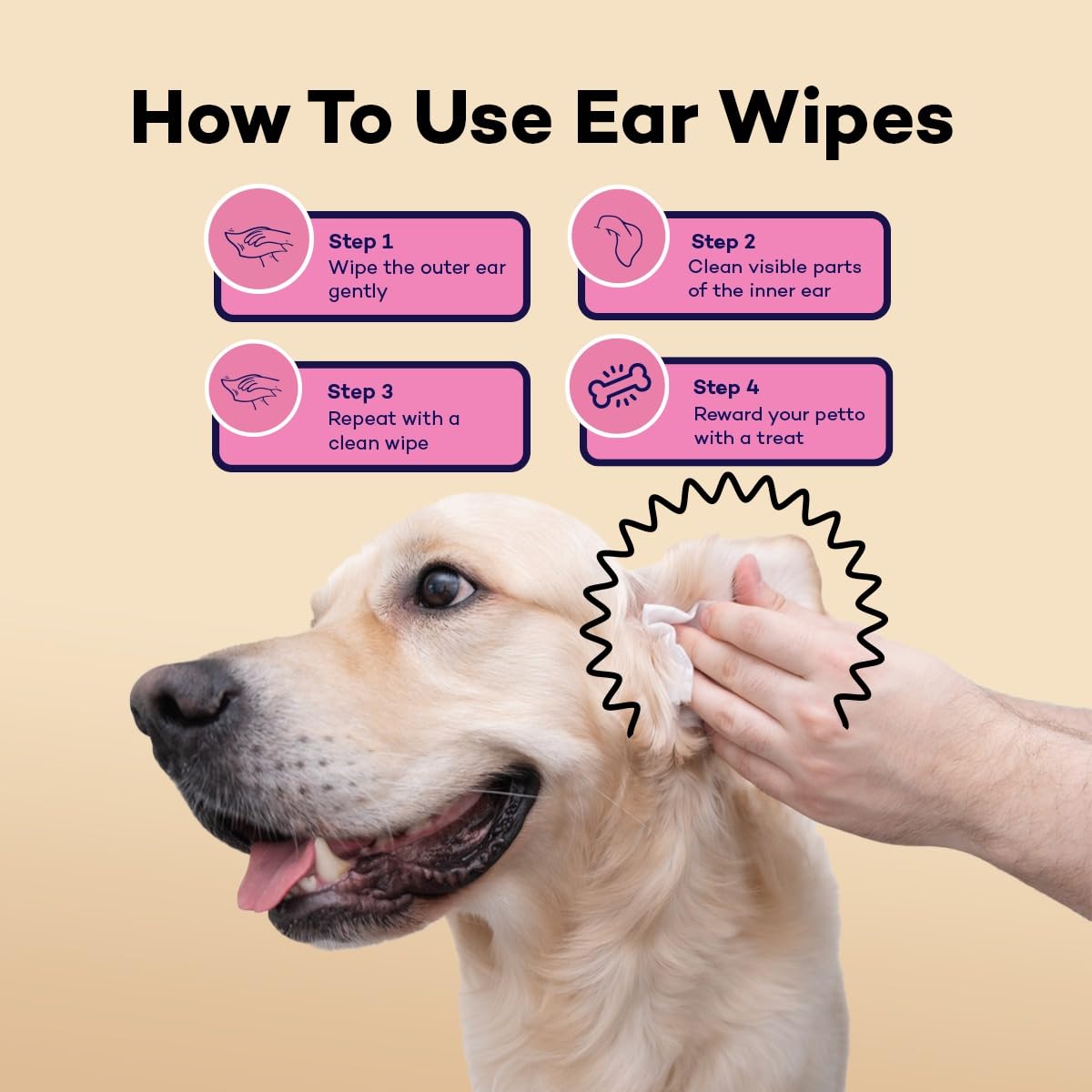
- DIRECTIONS TO USE: Step 1: Wipe the outer ear gently Step 2: Clean visible parts of the inner ears Step 3: Repeat with a clean wipe Step 4: Reward your petto with a treat
Dog Ear Cleaner for Dogs and Cats, Reduces Itching, Prevents Odor, Cleans Dirt, Removes Wax Build-Up, with 0.3% Salicylic Acid & Chamomile, 50 Wipes x 2
Original price was: ₹630.00.₹599.00Current price is: ₹599.00.
Description
Complete Guide to Dog Ear Cleaner & Paws‑and‑Ear Wipes for Dogs and Cats
Taking care of your pet’s hygiene isn’t just about baths and brushing fur. Dog ear cleaner and paws‑and‑ear wipes are essential tools for keeping ears and paws clean, healthy, and happy. Whether you’ve got a playful pup, a curious kitten, or both, regular care prevents infections, discomfort, odor, and other issues. In this guide, you’ll learn what dog ear cleaner is, why it’s important, how to use wipes for ears and paws safely, ingredients to look out for, common mistakes, how often to clean, and tips for making it a positive experience for your pet.
What Is Dog Ear Cleaner?
A dog ear cleaner is any product formulated to clean the external ear parts and ear canal of dogs (and often cats), by gently removing wax, dirt, debris, moisture, and sometimes unwanted microbes. Dog ear cleaner comes in different forms: liquid cleansers, foams, wipes, and sometimes gels. The ideal cleaner is safe (non‑irritating), effective, and easy to use.
The term also extends to “ear wipes,” which are pre‑moistened cloths or pads specifically designed for wiping the outer ears or ear flaps, and sometimes the inner visible part of the canal, without inserting deeply. Paws‑and‑ear wipes are dual‑use products that work on paws and ears; these are handy for quick cleanups after walks, muddy outdoor play, or between grooming sessions.
Why Dog Ear Cleaner & Wipes for Ears & Paws Are Important
Keeping ears clean has multiple health and comfort benefits. Here are reasons why a good dog ear cleaner, along with ear wipes, is essential:
-
Preventing Ear Infections
Dogs, especially those with floppy ears, hairy ear canals, or who swim often, are susceptible to ear infections. Dirt, moisture, wax buildup, and bacteria or yeast all contribute. Using a proper ear cleaner helps keep the ear canal environment clean and less hospitable to pathogens. WebMD+2Cornell Vet College+2 -
Removing Excess Wax and Debris
Wax is normal, but too much, or when mixed with dirt, can block the ear canal partially, causing odor, discomfort, scratching, or head shaking. A gentle dog ear cleaner removes the excess wax, while ear wipes help clean the outer ear surfaces and folds. PetMD+2Lombard Veterinary Hospital+2 -
Preventing Moisture‑Related Problems
Moisture trapped in ears (after baths, swims, or wet weather) can promote yeast or bacterial growth. Using a cleaner that helps dry or displace moisture, combined with wiping dry, reduces risk. Petmate+1 -
Odor Control & Comfort
Clean ears smell better and feel more comfortable. Pets with dirty ears often shake their heads, scratch a lot, and may show signs of pain. A good cleaner and wipes help eliminate odor sources and soothe irritation. American Kennel Club+1 -
Early Detection of Problems
Regular cleaning or wiping helps you spot signs of infection: redness, discharge, swelling, foul smell. If you use dog ear cleaner routinely, you’ll notice subtle changes earlier. American Kennel Club+1
Anatomy & Common Issues in Pet Ears & Paws
Understanding basic anatomy helps you clean safely.
-
Ear Structure: Dogs’ ear canals are L‑shaped. There’s a vertical part you can see, then a horizontal curve deeper in. You should never insert anything deep into that canal. Use cleaner/wipes only for the external visible area and the opening of canal. PetMD+3Lombard Veterinary Hospital+3American Kennel Club+3
-
Ear Types: Floppy vs erect ears, hairy ears, coated breeds: these features affect how much air flows, how moisture escapes, how much debris gets in. Cats also have ear anatomy differences and may be more sensitive.
-
Paws: Paw pads, nails, between toes, paw fur—all places that collect dirt, mud, moisture. Irritation in paws can affect gait, lead to infection, or cause licking/chewing.
If paws are kept clean, and ears are cleaned with a dog ear cleaner or compatible wipes, many issues are prevented.
What to Look for in a Good Dog Ear Cleaner & Ears/Paws Wipes
To choose a safe and effective dog ear cleaner and ear/paw wipes, consider the following features and ingredients:
Features
-
Pet‑specific formulation: Formulated for dogs (and cats) not human ear or skin.
-
Proper pH: Pet ears have different pH than humans; using a mismatched pH can irritate.
-
Non‑alcohol / mild alcohol / free of harsh drying agents unless prescribed. Alcohol and peroxide can sting or dry overly. Petmate+1
-
Gentle material for wipes: Soft texture, non‑scratchy, properly sized for ears and paws.
-
Size & packaging: Resealable packs help preserve moisture in wipes; dropper or squeeze bottle for cleaner should have a tip that doesn’t hurt.
-
Safe preservatives: Avoid irritating preservatives; look for mild, vet‑approved options.
-
Soothing additives: Aloe, chamomile, vitamin E, sometimes mild essential oils (pet‑safe ones) help calm any irritation.
Ingredients to Seek & Avoid
Good Ingredients:
-
Aloe vera
-
Chamomile extract
-
Vitamin E
-
Glycerin or humectants (to retain moisture)
-
Mild acids or agents that help with wax softening (ear‑safe ones)
-
Natural botanical extracts, where safe
Avoid / Be Cautious With:
-
Strong alcohol (denatured, isopropyl) or hydrogen peroxide — unless vet prescribes. Petmate+1
-
Harsh scents/strong essential oils that are toxic or irritating to pets
-
Overly aggressive preservatives or synthetic agents that may sting or cause allergic reaction
-
Cotton swabs / Q‑tips deep into ear canal — many sources warn against this. PetMD+1
How to Use Dog Ear Cleaner & Wipes Safely
Here is a step‑by‑step guide on how to use a dog ear cleaner (liquid/solution) plus ear and paw wipes properly:
-
Get the pet relaxed
Choose a calm time, maybe after exercise or when pet is sleepy. Use treats, gentle handling. A relaxed pet is safer and more cooperative. -
Inspect ears & paws before cleaning
Check for signs of irritation, odor, redness, discharge. Wipe away outer dirt with a wipe or clean cloth, gently. For paws, check between toes, look under pads, around nails. -
Apply cleaner
If using liquid cleaner: lift ear flap, apply recommended number of drops into vertical portion of ear canal (never force tip inside). Don’t overfill; only as much as the instructions say. Massage base of ear for ~20‑30 seconds to help cleaner move and loosen debris. Allow the pet to shake head (they often will). Petsworld+1 -
Wipe with wipe / cotton / gauze
After shaking, use a clean cotton ball/gauze or pet‑safe wipe to gently remove debris and excess liquid from the ear flap and canal opening. Wipes are particularly useful here: for the outer ear folds, crevices, and the base of the ear where debris collects. Do not insert deeply past what your finger can reach (one knuckle). -
Clean paws
Use wipes to clean between toes, pad edges, nails, webbing. Remove mud, grime, moisture. Also dry paws afterward to avoid microbial growth. -
Dry thoroughly
Moisture encourages yeast or bacteria. Use wipes to dry outer ear surfaces; for ears after swimming, ensure they are drier. For paws, make sure webbing and pads are dry. -
Reward & positive association
Always praise or treat your pet after cleaning or wiping. Over time, they associate the routine with positive results. -
Clean tools and environment
Wash/clean hands, clean the tip of cleaner bottle, clean surfaces, and dispose used wipes properly. Keep cleaner sealed; wipes packs resealed.
Frequency of Cleaning & Signs That It’s Needed
Knowing when to use dog ear cleaner or wipes is as important as knowing how. Too much cleaning can be just as bad as too little.
Typical Frequency
-
For many pets, cleaning is needed weekly to monthly, depending on breed, ear type, lifestyle. Pets that swim often, have floppy ears, or are exposed to dust/dirt need more frequent cleaning. WebMD+1
-
Paws often need wiping daily or after every walk outdoors in muddy/wet conditions.
Signs It’s Time to Clean
-
Visible wax accumulation, brown or black discharge
-
Odor coming from ear
-
Pet shakes head excessively, scratches at ears
-
Redness or swelling of ear flap
-
For paws: mud, visible dirt between pads, moisture, foul smell
Signs Cleanings Should Be Done with Caution or Under Vet Guidance
-
Ears are painful, hot to the touch
-
Discharge that is thick, yellow, green, bad smell
-
Bleeding, signs of injury
-
Memories of ear drum damage or known sensitive ear canal
-
If the pet is constantly scratching or showing signs of discomfort
In such cases, using dog ear cleaner or wipes may help symptomatically, but veterinarian should evaluate to rule out infection, mites, or other medical issues. PetMD+1
Common Mistakes & How to Avoid Them
Avoid these pitfalls when using dog ear cleaner and wipes:
| Mistake | Why It’s Harmful | How to Avoid |
|---|---|---|
| Using cotton swabs / Q‑tips deep into canals | Can push debris/wax deeper; may injure ear canal or eardrum | Use cotton balls, gauze, or wipes; only clean up to what you can see or reach with finger ‒ no force |
| Over‑cleaning | Strips natural protective wax/oils; may irritate, cause dryness | Clean only as often as needed; follow vet guidance |
| Using harsh substances (e.g. alcohol, hydrogen peroxide, strong essential oils) | Can sting, dry out skin, cause irritation or allergic reaction | Use gentler pet‑safe cleaners and wipes; avoid harsh ingredients |
| Ignoring signs of infection | Infection can worsen, spread; becomes painful and harder to treat | If signs persist, consult vet; don’t just rely on cleaning |
| Not drying after cleaning | Moisture left in ear or paw promotes microbial growth | Dry outer ear and paw thoroughly after cleaning or wiping |
| Skipping positive reinforcement | Pet associates ear or paw cleaning with negative experience | Use treats, praise, gentle touch to build positive routine |
Using Wipes for Ears and Paws vs Liquid Cleaners: Pros & Cons
Both wipes and liquid cleaners (solutions, foams) have their place; often best practice uses both.
| Wipes | Liquid / Solution Cleaner |
|---|---|
| Pros: Convenient; portable; good for quick cleanups (after walk, at car door, between baths); less mess; good for paws and visible ear areas. Cons: Less effective for deep canal wax; may not reach inner curves; sometimes wipes dry out; may not have strong antimicrobial action. |
Pros: Good at loosening wax inside ear canal; better for deeper cleaning; some have antimicrobial or antifungal agents; better for routine or maintenance cleaning. Cons: Require more handling; risk of overuse; may need correct handling to avoid putting too much liquid; slightly more mess; may need cotton/gauze/balls. |
Using a dog ear cleaner in liquid or solution form for deeper cleaning, and wipes for the outer ear plus paws, tends to give the best overall hygiene.
How to Introduce Ear / Paw Cleaning to Pets
If your dog or cat is nervous about ears or paws being handled, start gradually.
-
Begin with touch and massage around ears and paws without using products. Let them get used to being handled.
-
Show them the cleaner or wipes; allow to smell them. Perhaps wet a cotton pad to touch a non‑sensitive area first.
-
Reward for calm behavior.
-
Use wipes first (outer ear/wipe the paw) before introducing liquids into ears.
-
Keep sessions short initially, gradually increasing.
-
Always have treats or praise to create positive association.
Ingredients & Product Examples
Here are examples of real products / ingredients in ear wipes or cleaners for dogs/cats, to help you see what’s on market and what works well.
-
Petvit Ear Cleansing Wipes (India): Contains propylene glycol, chamomile, vitamin E, cucumber, citric acid; is alcohol‑free, so soothing and safe. These wipes help reduce itching and clean wax / odor around ear area. 1mg
-
The Good Paws Clean & Clear Ear Pads: These ear/paw wipes for dogs and cats include chamomile extract, are non‑rinse, help manage odor, wax, and itching. 1mg
Look for similar formulations when choosing a dog ear cleaner or wipes: gentle botanicals, safety, effectiveness.
Practical Routine Ideas
Here are sample routines you could adopt depending on your pet’s needs:
Moderate Routine (Indoor / Short Walks Pet)
-
Check ears weekly; clean with dog ear cleaner if wax/dirt visible.
-
Use ears/paws wipes after every outdoor walk if there was mud or moisture.
-
Do a full clean (using liquid cleaner) perhaps once a month.
-
Always dry ears/paws well.
Active/Outdoor Pet / Swimming / Long Fur / Floppy Ears
-
Use dog ear cleaner twice a week or more if wet or dirty.
-
Wipe ears after every swim, or when pet gets wet.
-
Clean paws after each outdoor session.
-
Monitor ears daily: odor, discharge, redness.
Senior or Sensitive Pets
-
Use wipes more often for outer ear; limit invasive cleaning unless needed.
-
Choose ultra‑gentle dog ear cleaner; patch test.
-
Pay more attention to paws: senior pets may drag or have dirt accumulation.
Safety & When to See a Vet
Even with good dog ear cleaner & wipes, sometimes things need professional help.
Signs you should see a veterinarian:
-
Persistent odor, discharge that is colored (yellow, green, brown), or looks unusual.
-
Bleeding, swelling, or hot ears.
-
Pain, head tilting, scratching to the point of injury.
-
Loss of hearing, balance issues, or sudden changes.
-
If your pet has underlying conditions (allergies, ear canal tumors, autoimmune disease), you should get vet’s input on ear cleaning regimen.
Cleaning Paws: Best Practices
Although this guide is focused mostly on ears via usage of dog ear cleaner, paws are frequently cleaned by the same wipes or similar cloths. Here’s how to handle paw cleaning:
-
After walks, muddy outdoor play, or exposure to salts/chemicals, wipe paws and between toes.
-
Use wipes that are safe for paws; ideally, the same wipes used for ears (if formulation allows).
-
Trim fur around paw pads if needed, to reduce dirt accumulation.
-
Dry pads well; dampness invites yeast/bacteria.
-
Check nails; long nails can trap dirt; ensure nails are trimmed safe.
Cost, Accessibility & Choosing Products
When selecting a dog ear cleaner, consider:
-
Cost per use: liquid cleaner + cotton/gauze vs wipes pack.
-
Availability: local pet shops, online retailers, vet clinics.
-
Brand reputation: check reviews, vet endorsements.
-
Packaging: well sealed, easy to use.
Affordable but unsafe cleaners are poor value if they cause irritation or damage.
Frequently Asked Questions (FAQ)
Q: Can I use human ear cleaner for pets?
A: Generally no. Human cleaners may have alcohol, strong preservatives, or a pH that irritates dog or cat ears. Always use pet‑approved dog ear cleaner products unless vet advises otherwise. PetMD+1
Q: How deep do I insert ear cleaner or wipe?
A: Only clean what you can see; do not insert deep into canal. Use finger or cotton ball up to first fold or up to about one knuckle depth. Never use cotton swabs/Q‑tips deeply. Lombard Veterinary Hospital+1
Q: How often should I clean ears of a swimming dog?
A: After every swim or exposure to water, use wings of ears + dry. For deeper cleaning with dog ear cleaner, maybe weekly. Wipes help between deeper cleans.
Q: Is ear cleaning painful?
A: It should not be. If your pet reacts with pain, flinching, or shows signs of discomfort, stop. Likely the ear is inflamed, infected, or the cleaner irritates. Consult vet.
Q: Are ear wipes enough, or do I need liquid cleaner always?
A: Wipes are good for regular maintenance and outer ear cleaning. Liquid cleaners are better for deeper cleaning and more thorough maintenance. Use both as needed.
Building a Product Description / Marketing Angle
If you’re selling a product, here’s an example description / angle using dog ear cleaner that also highlights paws‑and‑ear wipes:
“Our dual‑action paws & ear wipes are the perfect companion to our premium dog ear cleaner. Each cloth is infused with chamomile, aloe, and vitamin E to soothe sensitive skin. These wipes clean paws after a walk and gently lift dirt and wax from ears—no harsh sprays or harsh chemicals. Liquid dog ear cleaner complements these wipes by providing deeper cleaning when needed. Use wipes daily for outer ear and paws; use cleaner weekly or bi‑weekly as required. Safe, vet‑approved, cruelty‑free.”
Summary & Key Takeaways
-
A good dog ear cleaner is essential for ear health: removing wax, dirt, moisture, reducing infections.
-
Ear and paw wipes are great for maintenance: outer ears, ear folds, paws.
-
Use gentle, pet‑safe ingredients; avoid harsh chemicals, deep insertions, over‑cleaning.
-
Clean only when needed, inspect regularly for signs of irritation or infection.
-
Make the routine as stress‑free as possible with treats, positive reinforcement.
If you follow these principles, you’ll help your dog or cat have clean ears, healthy paws, less itching, less odor—and likely fewer trips to the vet for ear issues.

Reviews
There are no reviews yet.