Description
Milk Bone Dog Treats: The Complete Guide for Your Dog’s Health & Happiness
Dogs love treats. We love giving them. But not all treats are created equal. Milk bone dog treats are one of the popular options among dog owners in India and around the world. From nutritional value to flavor, from choosing the right size to understanding when and how often to give them, this guide covers everything you should know about milk bone dog treats.
What Are Milk Bone Dog Treats?
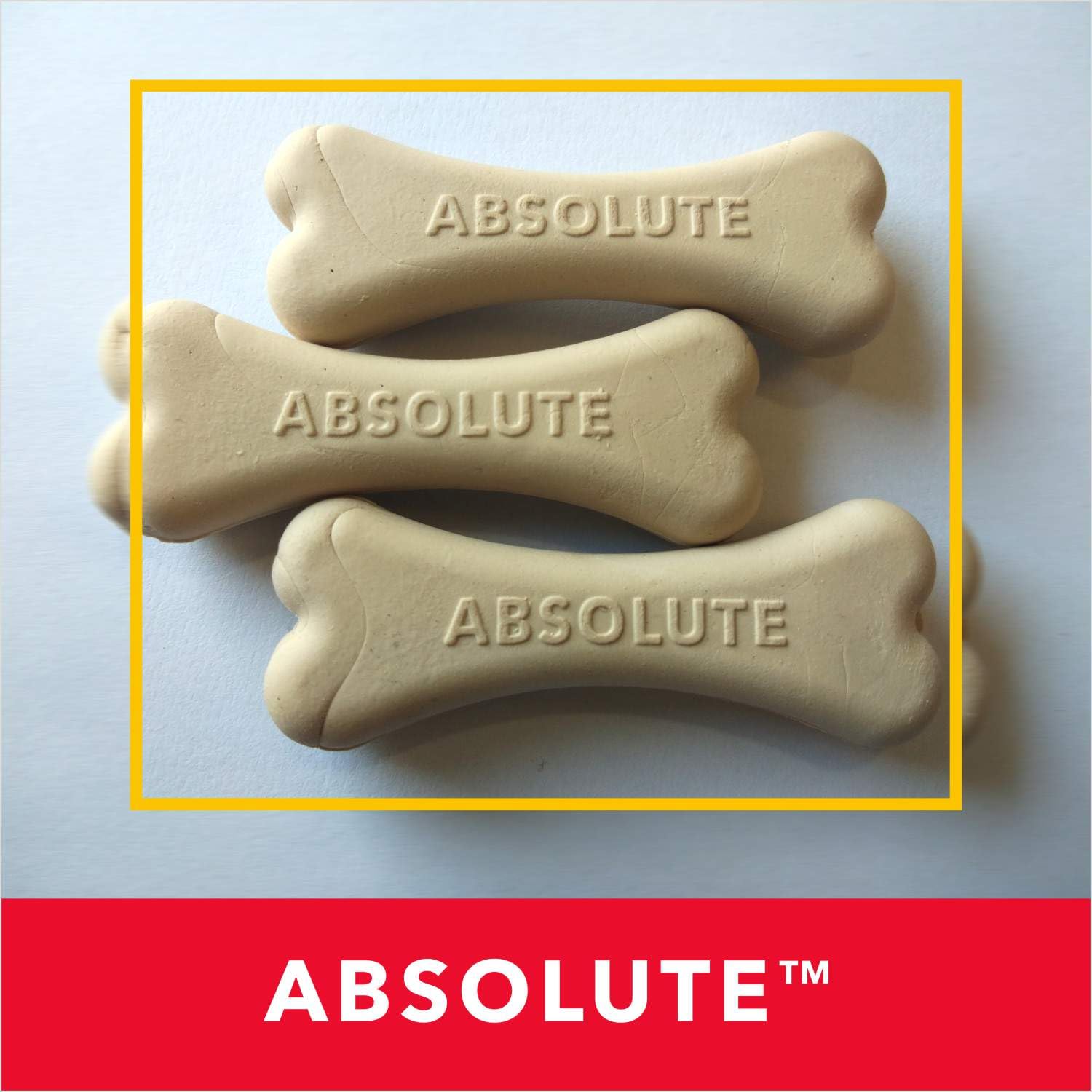
Milk bone dog treats are crunchy or slightly chewy bone‑shaped snacks made for dogs. They are designed to offer more than just flavor—they often include nutrients such as calcium and phosphorus that help support teeth, bones, and general health. These treats are meant as a supplement to your dog’s regular diet—not a replacement for complete dog food.
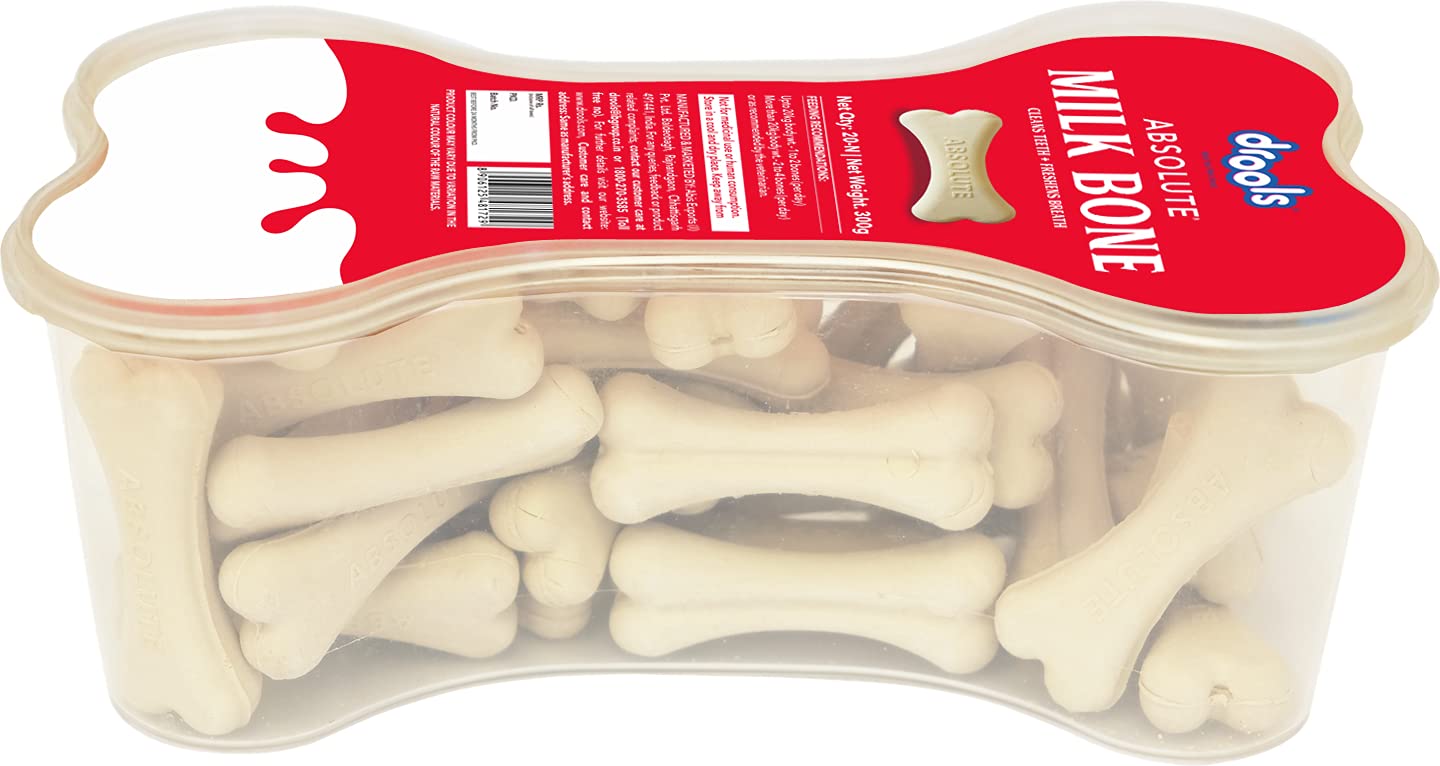
Many brands label their versions as “calcium bone,” “milk bone,” or “milk flavor,” referring to the presence of milk or milk derivatives or a milk‑like flavouring. For example, the Drools Absolute Milk Bone line offers these kinds of treats with a focus on bone health, dental care, and enjoyment. Amazon+4Amazon+4Meesho+4
Key Features & Ingredients
When selecting milk bone dog treats, it’s helpful to know what to look for. Here are typical features and common ingredients:
-
Calcium and phosphorus: These are essential for bone formation, strength of teeth, and general skeletal health. Drools milk bone dog treats are enriched with these minerals. Meesho+2Amazon+2
-
Vitamins: Vitamins like Vitamin D3 help with calcium absorption. Some milk bone treats also include B vitamins. Meesho+2Amazon+2
-
Flavoring: Milk or milk flavour is a common draw. Some treats have added chicken or other flavour blends for appeal. Amazon+1
-
Texture: The crunch or chew is important both for enjoyment and dental benefits. If it’s too soft or too hard, it can be problematic.
-
Digestibility and safety: A good milk bone treat should be easily digestible and made from safe ingredients, free from harmful additives and artificial colours when possible. Many Drools products emphasize “100% digestible & safe.” pawsfortails.com+1
Benefits of Milk Bone Dog Treats
Giving milk bone dog treats offers several advantages, when used properly:
-
Dental Health
The act of chewing helps scrape off tartar and plaque buildup on teeth. Milk bone dog treats, with their firm texture, support dental hygiene by promoting chewing. Brands like Drools highlight this benefit. Meesho+2Amazon+2
-
Bone & Jaw Strength
With the right balance of calcium and phosphorus, these treats help maintain strong bones and jaws. This is especially helpful for growing puppies and older dogs. Meesho+2Vet Allies+2
-
Reward & Training Aid
Treats are a great positive reinforcement tool. Milk bone dog treats are often tasty enough that dogs respond well to them during training. Because they’re relatively small, they can be portioned without overfeeding.
-
Nutritional Supplement
While they should not replace a complete diet, these treats can add small but helpful amounts of nutrients—especially in dogs whose diets might lack certain minerals.
-
Flavor & Enjoyment
Dogs generally enjoy the taste, especially when flavored with milk or chicken. This makes milk bone dog treats a happy moment for them and a bonding moment for you.
Things to Watch Out For / Potential Drawbacks
Even good treats have cautions. With milk bone dog treats, here are things to consider:
-
Calorie load: Because treats add calories, using too many can lead to weight gain. Treats should make up only a small percentage of daily calories.
-
Overuse: If given too often, even the best treat will unbalance the diet.
-
Hardness: Some milk bone treats are quite hard. Very young puppies, older dogs, or those with dental issues may find them difficult to chew.
-
Allergies / Sensitivities: Some dogs may be lactose intolerant or sensitive to dairy or certain flavourings. Always check ingredient lists.
-
Artificial additives: Some treats may include artificial colour or flavour. Choosing brands that are transparent and use fewer unnecessary additives is better.
Drools Milk Bone Dog Treats: Specific Details
Using one popular product as an example helps illustrate what to expect.
-
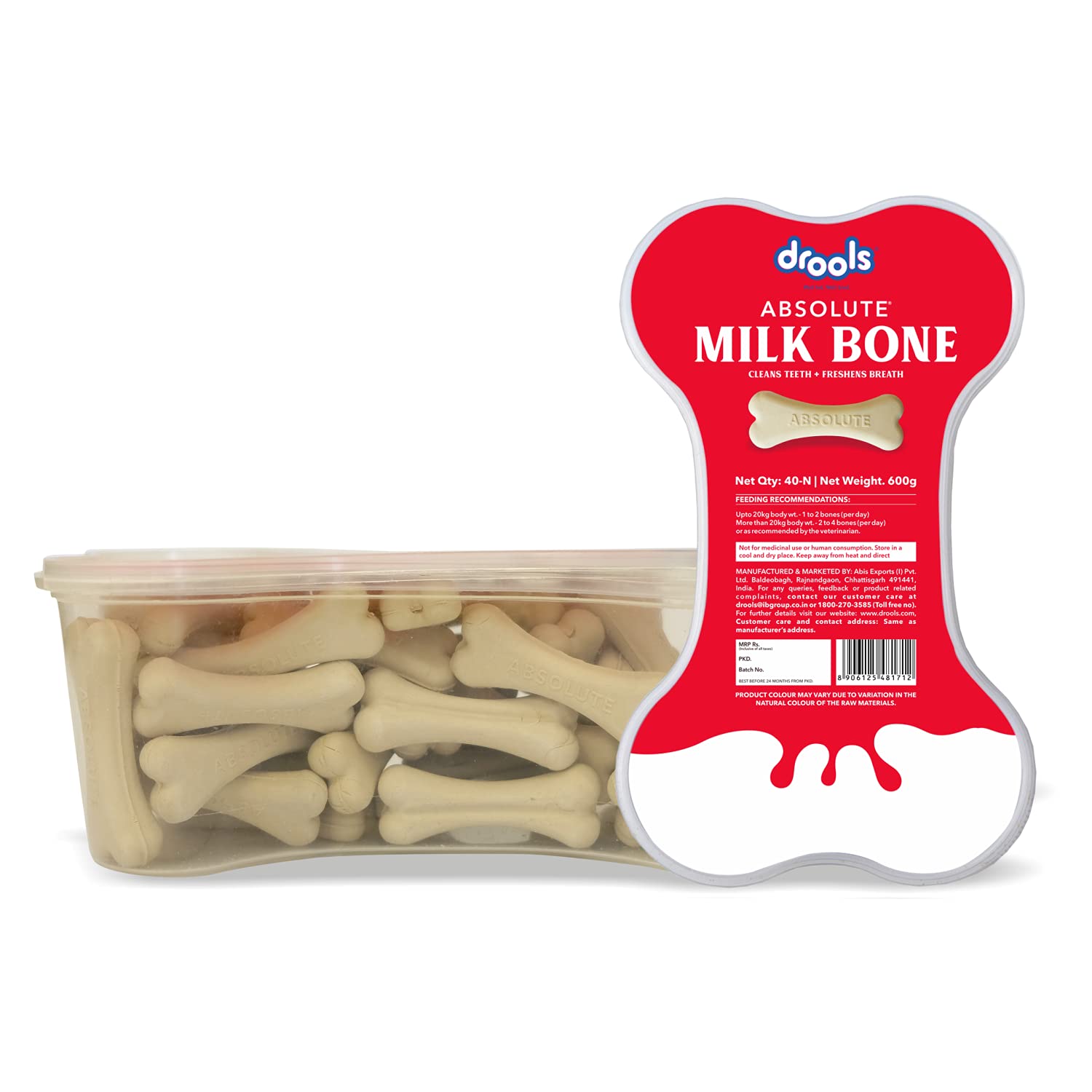
Product Names & Variety: Drools offers several variants: Drools Absolute Calcium Milk Bone pouch, jar sizes (e.g., 20 pieces, 40 pieces), small breed versions, etc. Flipkart+3Amazon+3Meesho+3
-
Sizing / Weight Options: Sizes vary. You’ll find small packs like 95g, jars of 300g (20 pieces), larger jars of 600g (40 pieces). Flipkart+3Fun4Pets+3Meesho+3
-
Flavour: Milk flavour is the main, sometimes with added chicken flavour options. Amazon+1
-
Mineral Content: E.g. calcium ~6.8%, phosphorus ~5.6%, etc. These levels are given in product specifications. Meesho+1
-
Feeding Guidelines: For example, up to 20kg body weight: 1‑2 bones per day; over 20kg: 2‑4 bones per day. Small breeds often have their own guidelines. Meesho+2Vet Allies+2
How to Choose the Right Milk Bone Dog Treat
Here are tips to ensure the milk bone dog treats you pick are safe, healthy, and suitable for your dog:
-
Match to Life Stage
Puppies, adult dogs, and senior dogs have different needs. Puppies need treats that support growth but are still gentle on teeth. Seniors may need softer treats.
-
Size & Texture
Choose bone size appropriate for your dog’s breed and weight. Small breeds need smaller bones; large breeds need larger ones. Also, texture matters: something your dog can chew without straining.
-
Nutrient Content
Check calcium‑to‑phosphorus ratio, vitamin content, and whether the treat includes unnecessary fillers or artificial ingredients.
-
Brand Reputation & Certifications
Choose brands with good reviews, clear labeling, and ideally veterinary or quality certifications.
-
Taste Preference
Some dogs prefer certain flavour profiles—milk, chicken, etc. A small trial pack can help see if your dog enjoys them.
-
Price vs Value
Consider how many bones per pack, nutritional content, and how long a pack lasts relative to cost. Bigger jars may offer lower cost per treat but risk staleness if not used fast.
How & When to Use Milk Bone Dog Treats
To get the most benefit and avoid issues, follow best practices:
-
As rewards: Use during training, after walks, for good behavior rather than as meal additions.
-
Portion control: Don’t give too many treats in one go; spread them out.
-
After meals: So the treat doesn’t replace a main meal.
-
Chewing time: Let your dog chew properly—this supports dental health.
-
Don’t leave uneaten treats lying around: Keep freshness and prevent spoilage or pests.
-
Monitor reaction: Especially when trying a new brand or flavour. Look out for upset stomach, itching, or other signs of intolerance.
How Many Milk Bone Dog Treats are Safe per Day?
Quantity depends on your dog’s size, weight, and activity level. But general guidelines:
| Dog Size / Weight |
Typical Daily Calories Requirement* |
% That Treats Should Make Up |
Approx Number of Milk Bone Dog Treats* |
| Small breed (up to 10kg) |
~300‑400 kcal |
5‑10% for treats |
1‑2 small bones |
| Medium breed (10‑25kg) |
~600‑900 kcal |
5‑10% treats |
2‑3 medium bones |
| Large breed (25kg+) |
~900‑1200+ kcal |
5‑10% treats |
3‑4 larger bones |
*These are approximate. Always check packaging guidelines for the specific product. Drools, for instance, gives “1‑2 bones per day” for dogs up to 20kg, and “2‑4 bones” for larger ones. Meesho+1
Common Questions (FAQs)
Q: Can puppies eat milk bone dog treats?
A: Yes, puppies can eat certain milk bone dog treats—but choose ones meant for all life stages or specifically for small breeds, and ensure the treat is not unusually hard. Also keep portions small.
Q: Are milk bone dog treats good for dental hygiene?
A: Yes, chewing helps reduce plaque and tartar buildup. Milk bone dog treats that are firm (but not so hard they damage teeth) can contribute positively.
Q: What if my dog is lactose intolerant?
A: If your dog has lactose intolerance, milk flavour or milk derivatives may cause discomfort. Always check ingredients and perhaps consult a vet. There are other treat options that avoid dairy entirely.
Q: How do I store milk bone dog treats?
A: Keep them in a cool, dry place, sealed properly. Avoid moisture which could cause mould.
Q: Can milk bone dog treats replace calcium supplements or bone meals?
A: No. While these treats offer some calcium and phosphorus, they are not a substitute for veterinary‑recommended supplements if your dog needs them.
Practical Examples: Using Drools Milk Bone Dog Treats
Let’s look at how some owners use them to maximize benefits:
-
Training sessions: Carry a small pouch of milk bone dog treats to reward good behavior like sit, stay, come. Because they are tasty, they serve as powerful positive reinforcement.
-
Engagement: Use treats to stuff into puzzle toys or hide in safe places to encourage mental stimulation.
-
After exercise: A bone treat after a good walk acts as a reward and helps with chewing release.
-
Dental care rotation: Rotate with dental chews so your dog has variety.
Comparative Look: Milk Bone Dog Treats vs Other Treats
| Feature |
Milk Bone Dog Treats |
Soft Chewy Treats |
Freeze‑Dried / Raw Treats |
| Texture |
Crunchy / Firm chew |
Soft bite |
Often very chewy or brittle |
| Dental benefit |
Strong (chewing helps) |
Less so |
Varies; sometimes good if large chunk |
| Calorie density |
Moderate‑high depending on size |
Often lower per gram but easier to overfeed |
Varies widely |
| Ingredients simplicity |
Can be simpler (milk flavour, basic minerals) |
Might have more added flavour or sweeteners |
Usually minimal processing but purity varies |
| Shelf life |
Longer, stable dry product |
Softer treats may go bad faster |
Freeze‑dried often stable, raw less so |
Testimonials & User Feedback
From reviews of Drools milk bone dog treats:
-
Owners often praise the flavour (“my dog absolutely loves this milk bone treat”, “smells good and fresh”) and appreciate that dogs seem excited when offered them. Amazon+1
-
Some feedback concerns hardness for very small or young dogs: treat size or hardness may make chewing difficult. Amazon
-
Many users highlight that these treats help with freshening breath and keeping teeth cleaner. Meesho+1
Tips to Increase Safety & Effectiveness
-
Start with smaller pieces if treating a puppy or small breed.
-
Always supervise chewing, especially if the treat is larger or denser.
-
Combine treats with tooth brushing or dental chews for maximum dental health.
-
Use treats as part of your dog’s overall diet plan; track weight to avoid obesity.
-
If adverse symptoms occur (diarrhea, vomiting, allergic reaction), discontinue and consult a vet.
Sample Daily Routine with Milk Bone Dog Treats
Here’s how a day might look for a medium‐breed active dog:
-
Morning: Regular balanced meal + water
-
Mid‑morning: 1 milk bone dog treat as reward for training or good behavior
-
Afternoon: Walk / playtime
-
Evening: Balanced dinner + optional small milk bone dog treat if used for dental benefit or as winding‑down reward
This way, treats are rewards rather than overloads, and your dog remains healthy.
Where to Buy & Packaging Options
In India, milk bone dog treats (Drools and others) are available:
-
Online marketplaces (Amazon, Flipkart, pet‑supplies sites) in various pack sizes: small pouches (~95‑190g), jars with 20 or 40 pieces, large packs like 600g. Fun4Pets+2Flipkart+2
-
Pet stores and specialty pet shops often carry full range.
-
Packaging usually indicates life stage suitability (all life stages, small breed, etc.), ingredient list, feeding guidelines, and calorie/nutrient info.
Pricing & Value
Some considerations around cost vs benefit with milk bone dog treats:
-
Bigger packages reduce cost per treat but need to be consumed before staleness or spoilage.
-
Premium brands with better ingredient profiles may cost more but can offer better nutritional value.
-
Local vs imported treats: imported ones may have higher cost due to shipping/taxes.
Drools options tend to offer decent pricing for value (nutrients + taste) in Indian market. For instance, a 600g jar of Drools Absolute Milk Bone (40 pieces) is priced around ₹450 on major e‑commerce platforms. Flipkart+1
Nutshell: When Milk Bone Dog Treats Are Best
To summarize when these treats are especially useful:
-
For training and rewarding good behavior
-
As a supplementary source of calcium (if diet lacks it)
-
For older dogs or large breeds to help bite / chew activity
-
For improving or maintaining dental hygiene
And when they might not be the best:
-
If your dog has dental problems or very sensitive teeth
-
If your dog is allergic to dairy or cannot tolerate milk‑flavour treats
-
If your dog is overweight and getting too many treats
Conclusion
Milk bone dog treats are more than just snacks. When you choose high‑quality ones, use them properly, and integrate them into a balanced diet and health plan, they offer real benefits for your dog’s teeth, bones, and happiness. Products like Drools milk bone dog treats give you options in flavour, size, and nutrient content — so you can find what works best for your dog.
By paying attention to size, frequency, ingredients, and how your dog responds, you can make milk bone dog treats a positive, safe, and enjoyable part of your pet care routine.
Understanding the Importance of Consistency in Treat-Giving
One of the most overlooked aspects of giving milk bone dog treats is consistency. While treats can offer nutritional value and reinforce positive behavior, inconsistent use can confuse your dog. For instance, if you reward a command sometimes and not others, your dog may not form a reliable habit.
By making milk bone dog treats a part of your structured training or reward system, you promote good habits while also maintaining a balanced routine. Whether it’s after walks, grooming sessions, or learning a new trick, using these treats regularly and at the right time builds strong associations in your dog’s mind.
Consistency also applies to portion size. Avoid over-rewarding during a single training session. Instead, break down a full treat into smaller bits if necessary—especially for smaller breeds. This allows your dog to enjoy the flavor and the reward without excessive calorie intake.
Are Milk Bone Dog Treats Suitable for All Breeds?
Yes, milk bone dog treats can be suitable for all dog breeds when used according to size and weight recommendations. However, the key is to choose the right size of treat for your breed:
-
Toy & small breeds (like Shih Tzus, Pomeranians, Chihuahuas): Look for mini milk bones or break larger ones into smaller pieces.
-
Medium breeds (like Beagles, Cocker Spaniels, Indies): Regular-sized milk bone dog treats work well.
-
Large breeds (like German Shepherds, Labradors): Go for the largest size available or increase the quantity slightly based on feeding guidelines.
-
Giant breeds (like Saint Bernards, Great Danes): These dogs can handle larger quantities or require multiple treats, but still in moderation.
Remember: the treat size should allow for a few minutes of chewing to promote dental health, but not be too hard to bite into.
Training Ideas Using Milk Bone Dog Treats
Milk bone dog treats are excellent tools for positive reinforcement training. Here are some ways to use them effectively:
1. Basic Obedience Training
Start with simple commands like “sit,” “stay,” “come,” and “down.” Give a small portion of a milk bone treat each time your dog correctly follows the command.
2. Crate Training
If you’re crate training your puppy or newly adopted dog, toss a piece of milk bone dog treat inside the crate to create a positive association with the space.
3. Socialization Training
If your dog is shy or anxious around new people or environments, carry milk bone dog treats to help distract, calm, and reward them during exposure therapy.
4. Recall Reinforcement
Use these treats during off-leash recall practice in secure areas. Call your dog by name and give a treat immediately when they return.
Pro Tip: Because milk bone dog treats are high-value rewards for most dogs, you may find your training sessions become much more effective.
Customizing Treat Time: Adding Variety
While milk bone dog treats offer many benefits, dogs appreciate variety too. You can rotate between different flavors (milk, chicken, liver) and textures (crunchy, soft, chewy) to keep things exciting.
Some pet owners like to create “treat towers” or puzzles, stacking different types of treats with milk bone dog treats as the main reward. This increases mental stimulation and prolongs engagement.
Others use milk bone treats as “jackpot” rewards — a big payoff after a difficult or high-level behaviour. This technique keeps your dog motivated and reinforces strong recall or complex commands.

Reviews
There are no reviews yet.