Description
The Ultimate Guide to Flea Shampoo for Cats: Protecting Your Feline Friend
Introduction
Cats are beloved members of many households, bringing joy, companionship, and comfort. However, just like any pet, they are vulnerable to pests like fleas that can cause discomfort, skin irritation, and even serious health problems. One of the most effective ways to combat these pesky parasites is by using a reliable flea shampoo for cats. This guide will cover everything you need to know about choosing, using, and benefiting from flea shampoos specifically formulated for cats.
Understanding Fleas and Their Impact on Cats
Fleas are small, wingless insects that feed on the blood of mammals and birds. While they may seem tiny, their impact on cats can be significant. Fleas can cause:
-
Intense itching and scratching: Flea bites irritate the cat’s skin, leading to excessive scratching, which can cause sores and infections.
-
Allergic reactions: Some cats develop flea allergy dermatitis, a hypersensitive reaction to flea saliva.
-
Anemia: Heavy infestations can lead to blood loss, causing weakness and anemia, especially in kittens or elderly cats.
-
Transmission of diseases: Fleas can transmit tapeworms and other parasites, posing additional health risks.
Using a specialized flea shampoo for cats helps to eliminate fleas quickly and reduces the risk of these complications.
What Is Flea Shampoo for Cats?
A flea shampoo for cats is a specially formulated cleansing product designed to kill fleas on contact while being gentle on a cat’s sensitive skin and fur. Unlike human shampoos or generic pet shampoos, flea shampoos contain active ingredients targeted at pests but safe for feline use.
These shampoos usually contain insecticides like pyrethrins or natural alternatives such as essential oils, which disrupt the flea’s nervous system or repel them effectively.
Benefits of Using Flea Shampoo for Cats
Immediate Flea Elimination
One of the most significant advantages of a quality flea shampoo for cats is its ability to kill fleas on contact. Unlike sprays or oral treatments that may take hours or days to work, flea shampoos provide quick relief by washing away live fleas.
Soothes Irritated Skin
Flea shampoos often include ingredients to soothe inflamed or itchy skin, helping reduce scratching and redness caused by flea bites.
Cleanses Fur and Skin
Besides killing fleas, these shampoos clean dirt, allergens, and flea dirt (flea feces) from the cat’s coat, improving overall hygiene and health.
Safe for Cats
Formulated specifically for felines, these shampoos avoid harmful chemicals that might be toxic to cats but effective against fleas.
Choosing the Right Flea Shampoo for Your Cat
Not all flea shampoos are created equal. When selecting a flea shampoo for cats, consider these important factors:
Ingredients
Look for flea shampoos with safe, effective ingredients such as:
-
Pyrethrins or Permethrin (ensure cat-safe levels)
-
Natural oils like neem or cedarwood
-
Aloe vera or oatmeal for skin soothing
-
Avoid harsh chemicals like organophosphates or carbamates that can harm cats
Cat’s Age and Health
Some flea shampoos are formulated specifically for kittens or cats with sensitive skin. Always check the label and consult your vet before using on very young, pregnant, or sick cats.
Ease of Use and Scent
Choose a shampoo that is easy to apply and rinse, with a mild, pleasant scent that won’t stress your cat.
How to Use Flea Shampoo for Cats Safely and Effectively
Proper usage of flea shampoo for cats ensures the best results and prevents unnecessary stress or injury to your pet.
Preparation
-
Brush your cat’s fur to remove tangles and loose hair.
-
Choose a warm, quiet area for bathing.
-
Prepare the shampoo and water at a comfortable temperature.
Bathing Steps
-
Wet your cat thoroughly with warm water.
-
Apply the flea shampoo generously, working it into a lather, focusing on the neck, back, tail, and underbelly.
-
Avoid contact with eyes, ears, and mouth.
-
Let the shampoo sit for the recommended time on the label, usually 5-10 minutes, to kill fleas effectively.
-
Rinse thoroughly to remove all shampoo residues.
-
Dry your cat gently with a towel or low-heat dryer.
Post-Bath Care
After the bath, comb your cat’s fur with a flea comb to remove dead fleas and eggs. Repeat baths as recommended, usually every 7-14 days during heavy infestations.
Combining Flea Shampoo for Cats with Other Flea Control Methods
While flea shampoo for cats provides immediate relief, it’s best to integrate it into a comprehensive flea control program.
Flea Combs
Regular combing helps remove fleas, flea dirt, and eggs, supplementing the shampoo’s effects.
Spot-On Treatments
Topical flea treatments applied monthly provide ongoing protection but do not replace the need for thorough cleaning and bathing.
Environmental Control
Wash bedding, vacuum carpets, and treat your home with flea sprays or powders to eliminate fleas and larvae in the environment.
Common Misconceptions About Flea Shampoo for Cats
“Flea shampoos are harmful to cats.”
When used correctly, flea shampoo for cats designed specifically for felines is safe and effective. Avoid using dog flea shampoos on cats, as some ingredients can be toxic.
“One bath is enough to eliminate fleas.”
Fleas have a lifecycle that includes eggs and larvae in the environment. Repeated treatments and environmental control are necessary to fully eradicate an infestation.
“Flea shampoos contain harmful chemicals.”
Many modern flea shampoos use natural ingredients and avoid harsh chemicals. Always read labels carefully and choose trusted brands.
Frequently Asked Questions (FAQs)
How often should I bathe my cat with flea shampoo?
Typically, every 7 to 14 days during an active infestation, but follow product instructions or your vet’s advice.
Can I use flea shampoo on kittens?
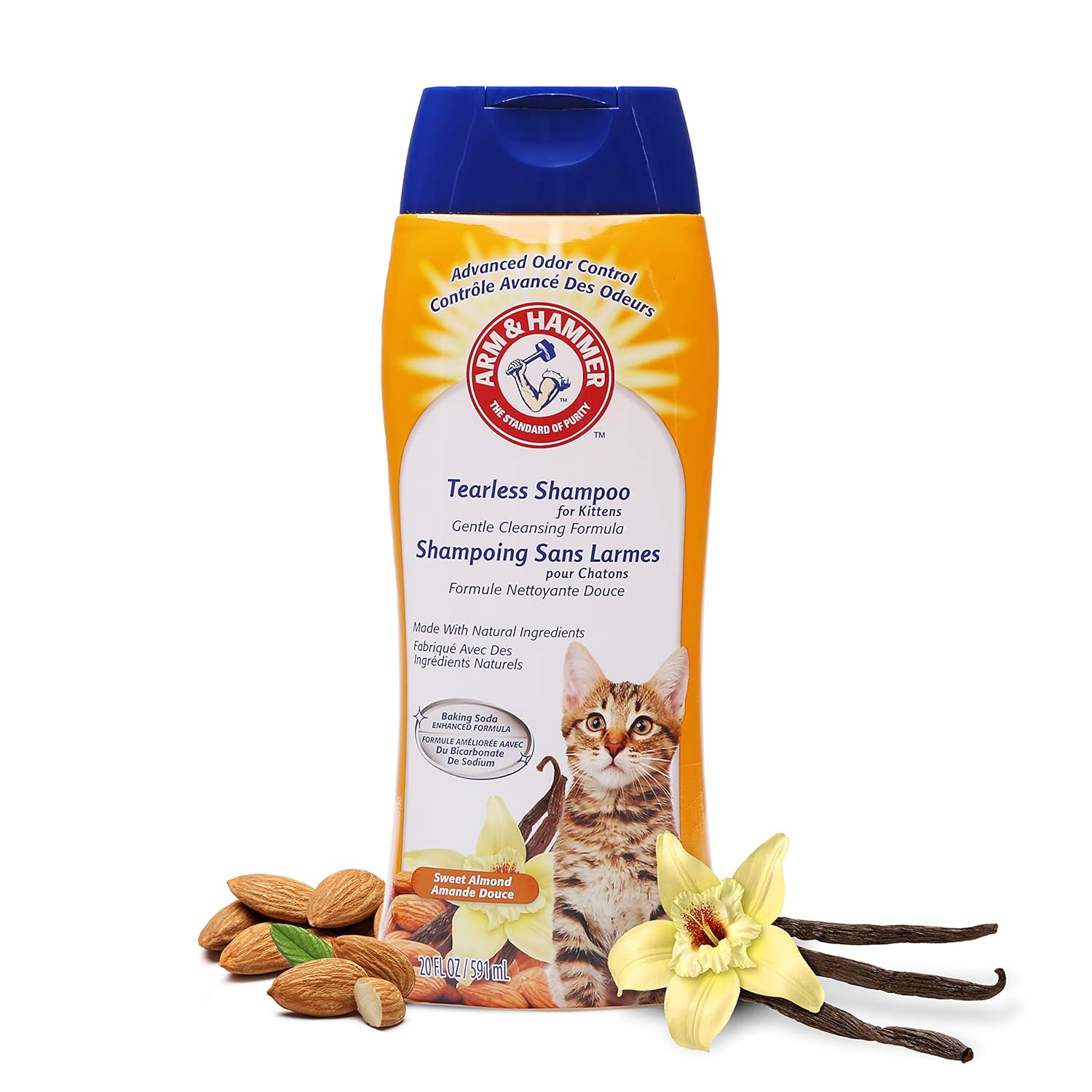
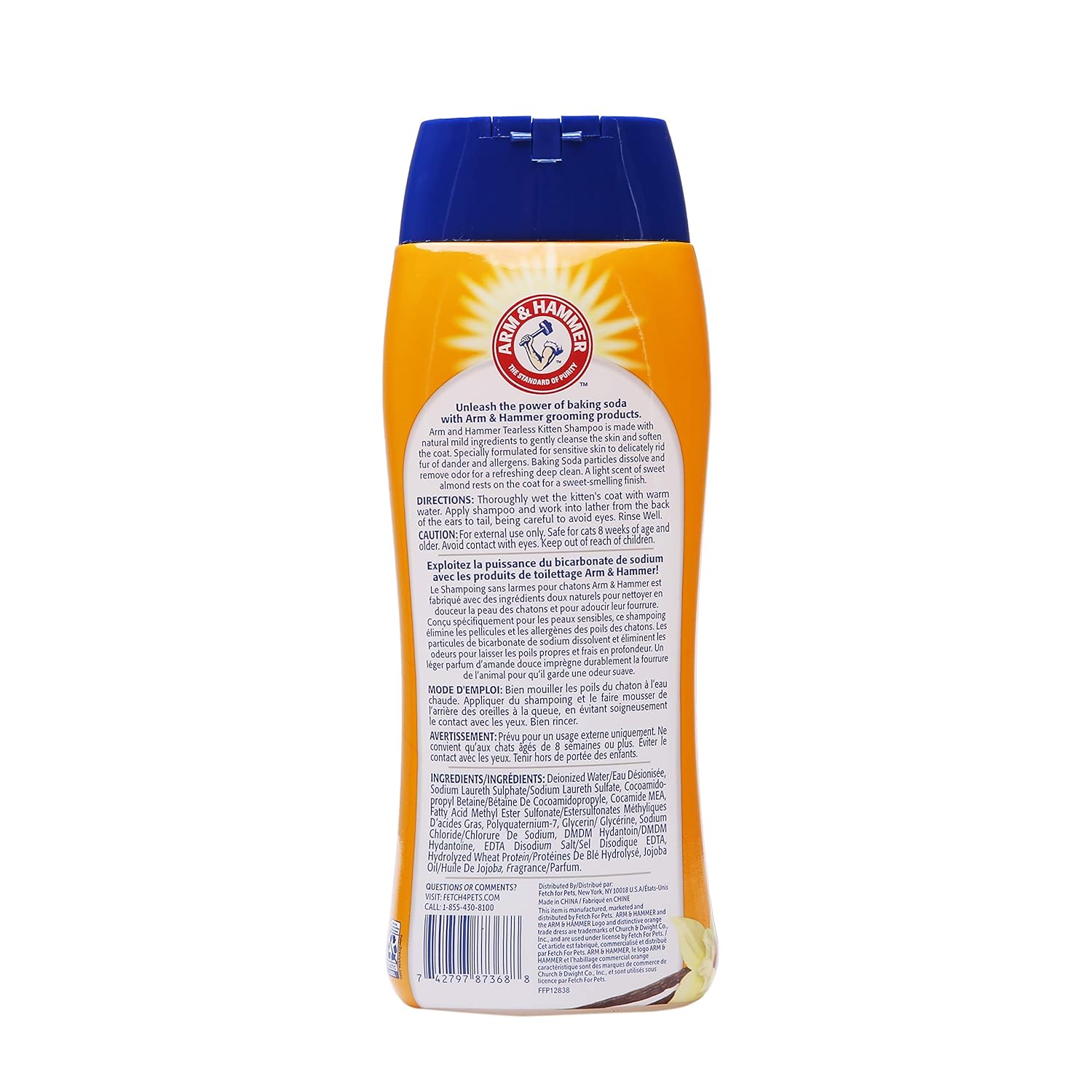
Only use flea shampoos labeled safe for kittens, usually over 8 weeks old.
Will flea shampoo repel fleas or just kill them?
Flea shampoos primarily kill fleas on contact. For repelling fleas, use additional products like spot-ons or sprays.
Conclusion
A good flea shampoo for cats is an essential tool for any cat owner dealing with flea infestations. It offers fast relief from itching, cleans the coat, and is safe when used as directed. Combining flea shampoo with other flea control measures ensures your cat stays comfortable, healthy, and flea-free.
Taking proactive steps today with a quality flea shampoo will help protect your cat from the discomfort and health risks caused by fleas, keeping your feline friend happy and thriving.
Understanding Flea Life Cycle and Why Flea Shampoo for Cats Is Crucial
To fully appreciate the importance of a quality flea shampoo for cats, it helps to understand the flea life cycle. Fleas go through four stages: egg, larva, pupa, and adult. Only adult fleas live on the cat and feed on its blood, but eggs, larvae, and pupae often infest the environment—your home, bedding, carpets, and furniture.
When you use a flea shampoo for cats, it targets the adult fleas living on your cat’s fur and skin, killing them on contact. However, because eggs and larvae are hidden in the environment, regular bathing combined with home cleaning is essential to break the flea life cycle completely.
Natural and Organic Flea Shampoo Options
In recent years, many cat owners prefer natural or organic alternatives for flea control, including flea shampoo for cats made with plant-based ingredients. These shampoos often contain:
-
Neem oil: Known for its insect-repelling and insecticidal properties.
-
Cedarwood oil: Acts as a natural flea deterrent.
-
Lavender and eucalyptus oils: Help soothe skin and repel fleas.
-
Oatmeal: Moisturizes and calms irritated skin.
Natural flea shampoos provide a safer, eco-friendly alternative, especially for cats sensitive to chemicals or for owners concerned about their pet’s long-term exposure to synthetic pesticides.
Safety Tips When Using Flea Shampoo for Cats
Always Read the Label
Every flea shampoo has specific instructions and safety warnings. Following them carefully helps avoid accidental toxicity or ineffective treatment.
Avoid Human or Dog Flea Shampoos
Never use products meant for humans or dogs on cats, as many ingredients safe for other species are toxic to cats.
Watch for Allergic Reactions
After the first use, monitor your cat for signs of skin irritation, excessive scratching, or unusual behavior. If any adverse reactions occur, rinse your cat thoroughly and contact your veterinarian.
Consult Your Veterinarian
If your cat is pregnant, nursing, very young, elderly, or has health issues, check with your vet before using any flea shampoo.
The Role of Flea Shampoo for Cats in Flea Allergy Dermatitis (FAD)
Flea Allergy Dermatitis (FAD) is a common condition where cats develop severe allergic reactions to flea saliva. Symptoms include intense itching, redness, hair loss, and secondary infections.
Using a flea shampoo for cats regularly can reduce flea bites and help manage FAD symptoms by eliminating fleas quickly and soothing inflamed skin. In severe cases, vets may recommend combining flea shampoos with medications or other topical treatments.
How to Choose Between Flea Shampoo and Other Flea Treatments
The market offers various flea control options, including oral pills, spot-on treatments, collars, sprays, and shampoos. Here’s why and when flea shampoo for cats might be your best choice:
-
Immediate relief: Shampoos kill live fleas instantly, unlike oral pills that take time to act.
-
Visible cleaning: Bathing cleans your cat’s coat from dirt and flea debris.
-
Safe for sensitive cats: Some cats react badly to spot-on chemicals, making shampoos a gentler option.
-
Supplementary treatment: Shampoos can be combined with other treatments for comprehensive flea control.
Step-by-Step Guide to Bathing Your Cat with Flea Shampoo
Bathing a cat can be challenging, but with patience and preparation, it becomes easier. Here’s a step-by-step method for using flea shampoo for cats effectively:
-
Prepare the area: Use a sink or bathtub with a non-slip mat to prevent slipping.
-
Gather supplies: Flea shampoo, warm water, towels, a cup for rinsing, and a flea comb.
-
Brush your cat: Remove tangles and loose fur to make bathing easier.
-
Wet your cat: Use warm water to dampen fur thoroughly.
-
Apply shampoo: Massage shampoo gently but thoroughly into the coat.
-
Let it sit: Allow the shampoo to remain on the skin for the recommended time.
-
Rinse completely: Ensure all shampoo is washed out to avoid skin irritation.
-
Dry your cat: Use a towel or a pet-safe blow dryer on low heat.
-
Comb for fleas: Use a flea comb to remove dead fleas and eggs.
Frequently Asked Questions About Flea Shampoo for Cats
Can I use flea shampoo on my indoor cat?
Yes, indoor cats can get fleas, especially if you have other pets or open windows. Using flea shampoo for cats helps keep indoor cats flea-free.
How often can I bathe my cat with flea shampoo?
Generally, every 7 to 14 days during flea infestations, but always check the product’s instructions.
Will flea shampoo prevent fleas from returning?
No, flea shampoo kills existing fleas but does not provide long-term prevention. Use other flea control methods in combination for ongoing protection.
Environmental Flea Control: The Other Half of the Battle
Even the best flea shampoo for cats won’t solve flea problems if the environment remains infested. Here are essential environmental control tips:
-
Vacuum carpets, furniture, and pet bedding frequently.
-
Wash pet bedding in hot water weekly.
-
Use home flea sprays or powders approved for indoor use.
-
Treat outdoor areas where your cat spends time.
-
Maintain yard cleanliness by trimming grass and removing debris.
Conclusion: The Importance of Flea Shampoo for Cats in Your Flea Control Arsenal
A high-quality flea shampoo for cats is vital in quickly alleviating flea infestations, soothing your cat’s irritated skin, and improving their comfort. When used properly and in combination with other flea control methods, flea shampoos help break the flea life cycle, protecting your cat’s health and happiness.
Regular use during flea seasons, combined with environmental management and vet-approved treatments, provides a comprehensive defense against fleas and related health issues.
Invest in a trusted flea shampoo for cats today to keep your feline friend free from fleas, itchiness, and discomfort.
How Flea Shampoo for Cats Fits Into a Holistic Flea Management Plan
While a flea shampoo for cats is an essential frontline defense, the most effective flea control strategy is a holistic one. This means addressing fleas on your cat as well as in your home and yard to prevent re-infestation.
Integrating Flea Shampoo With Other Treatments
-
Spot-on Treatments: Monthly topical applications like fipronil or selamectin work well alongside flea shampoos by providing residual protection after a bath.
-
Oral Medications: Some vets recommend oral flea treatments for cats, which can kill fleas systemically.
-
Flea Collars: Modern flea collars infused with insect growth regulators (IGRs) disrupt the flea life cycle and are an additional tool.
-
Environmental Sprays and Foggers: Treating your home and yard where fleas lay eggs and larvae hide is critical.
By combining a flea shampoo for cats with these other measures, you attack fleas at multiple life stages, ensuring your cat stays comfortable and flea-free.
Signs That Your Cat Needs Flea Shampoo
Recognizing when your cat needs a bath with flea shampoo for cats is key to prompt treatment and preventing worsening infestations.
Common Signs Include:
-
Excessive Scratching or Grooming: Flea bites cause itching and discomfort, making your cat scratch or lick frequently.
-
Visible Fleas or Flea Dirt: Flea dirt looks like tiny black specks on your cat’s fur and is a clear sign fleas are present.
-
Hair Loss or Red, Irritated Skin: Areas where fleas bite often become inflamed or bald due to scratching.
-
Restlessness or Changes in Behavior: Constant irritation can make your cat anxious or less active.
If you notice any of these symptoms, it’s time to use a quality flea shampoo for cats to reduce flea numbers and relieve discomfort.
The Science Behind Flea Shampoo Ingredients
Understanding how flea shampoos work helps you make an informed choice and apply them safely.
Common Active Ingredients:
-
Pyrethrins: Natural insecticides derived from chrysanthemum flowers, pyrethrins act quickly on the nervous system of fleas.
-
Permethrin: A synthetic chemical related to pyrethrins, effective but toxic to cats, so not recommended in feline shampoos.
-
Insect Growth Regulators (IGRs): Chemicals that interfere with flea development and reproduction.
-
Essential Oils: Such as neem, cedarwood, and eucalyptus oils, which repel or kill fleas naturally.
Most flea shampoo for cats products combine these ingredients in safe concentrations to maximize effectiveness while minimizing risks.
Tips for Making Bath Time Easier When Using Flea Shampoo for Cats
Bathing a cat can be challenging but following these tips can reduce stress for both you and your feline friend.
Preparation is Key
-
Choose a quiet time when your cat is calm.
-
Trim your cat’s nails beforehand to avoid scratches.
-
Use a non-slip surface in the bath or sink.
During the Bath
-
Speak softly and reassure your cat.
-
Use lukewarm water—too hot or cold water can cause distress.
-
Avoid getting shampoo or water in your cat’s eyes, ears, or nose.
After the Bath
-
Dry your cat thoroughly with a towel.
-
Offer treats and praise to create positive associations.
-
Comb through fur with a flea comb to catch any remaining fleas.
Flea Shampoo for Cats and Sensitive Skin: What to Look For
Some cats have sensitive or allergy-prone skin that requires special attention when selecting a flea shampoo for cats.
Hypoallergenic Formulas
Look for shampoos labeled hypoallergenic, free from dyes, parabens, sulfates, and strong fragrances.
Soothing Ingredients
Ingredients like oatmeal, aloe vera, chamomile, and vitamin E can help calm irritated skin while treating fleas.
Vet-Recommended Products
Always consult your veterinarian for shampoos suited to cats with skin conditions like eczema or dermatitis.
Potential Side Effects of Flea Shampoo for Cats and How to Manage Them
While most flea shampoos are safe when used as directed, some cats may experience mild side effects.
Possible Reactions Include:
-
Skin irritation or redness
-
Excessive scratching after the bath
-
Watery or irritated eyes if shampoo contacts the eyes
-
Rarely, allergic reactions such as swelling or difficulty breathing (seek immediate vet care)
How to Manage Side Effects:
-
Rinse your cat thoroughly if you suspect irritation.
-
Use a gentle, hypoallergenic shampoo on sensitive skin.
-
Contact your veterinarian if symptoms persist or worsen.





Reviews
There are no reviews yet.