



About this item
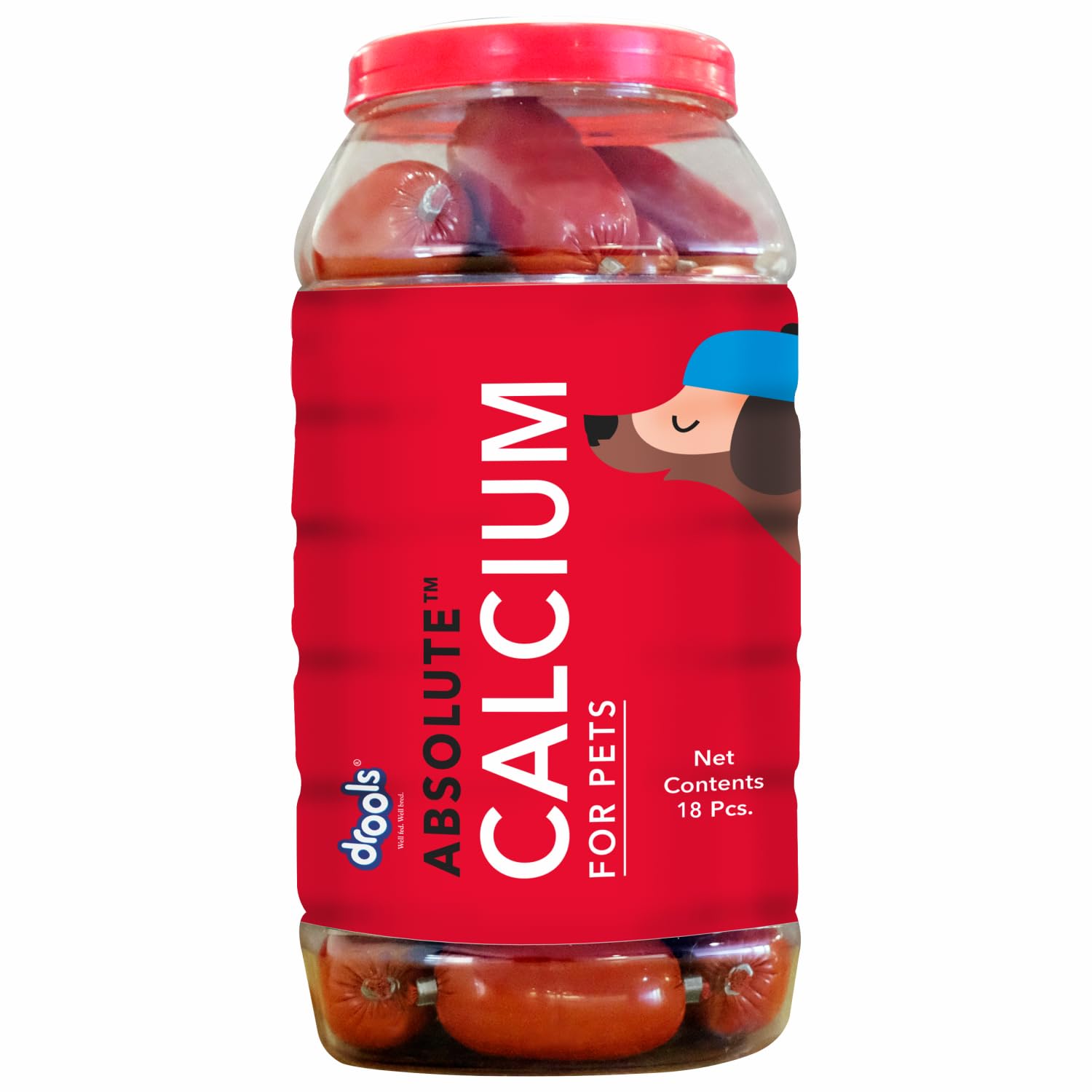
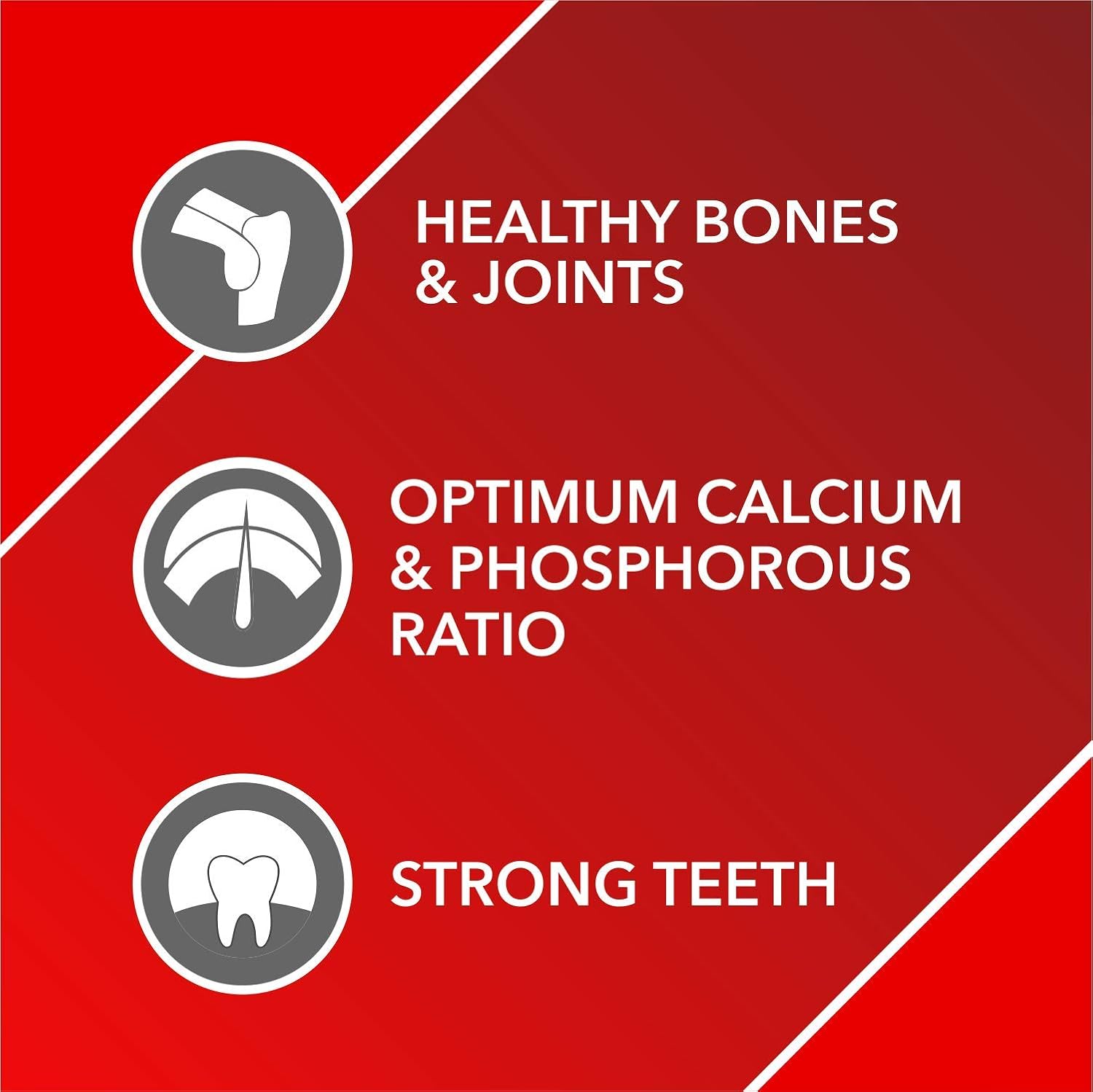
- Enriched with optimum calcium and phosphorus for healthy skeletal system.
- Essential ingredients blended with other nutrients to maintain the strong teeth.
- Yummy treat that keeps the pet active and promotes joint health.
Original price was: ₹630.00.₹550.00Current price is: ₹550.00.
Keeping your dog active and comfortable is essential for their overall wellbeing. As dogs age or recover from injuries, joint health becomes a priority. That’s where good joint supplements for dogs come in—formulated to support joint function, ease discomfort, and improve mobility.
Whether your dog is a young athlete, a senior companion, or anywhere in between, understanding the role of joint supplements can help you make informed choices. This guide dives deep into why good joint supplements for dogs matter, what to look for, and how to use them effectively.
Dogs, just like humans, rely on healthy joints for everyday movement. Their joints bear the brunt of running, jumping, climbing stairs, and even simple walking. Over time, wear and tear, injuries, or age-related conditions like arthritis can cause inflammation, stiffness, and pain.
Here’s why good joint supplements for dogs are essential:
Support Cartilage Repair & Maintenance: Key ingredients in supplements help rebuild cartilage — the cushioning layer in joints.
Reduce Inflammation: Natural anti-inflammatory compounds help ease joint swelling and pain.
Improve Mobility & Flexibility: Supplementation supports smooth joint movement, helping dogs stay active longer.
Enhance Quality of Life: Comfortable joints mean happier, more energetic dogs.
Prevent Future Joint Damage: Regular use of supplements may slow joint deterioration.
Before jumping into supplements, it’s helpful to understand common joint issues affecting dogs:
Osteoarthritis (Degenerative Joint Disease): Breakdown of cartilage causing pain and stiffness.
Hip Dysplasia: A genetic condition where the hip joint is malformed, leading to arthritis.
Elbow Dysplasia: Similar to hip dysplasia but affects the elbow joints.
Ligament Injuries: Damage to ligaments such as the ACL, often from trauma or excessive exercise.
Joint Inflammation & Stiffness: Can be due to age, injury, or autoimmune conditions.
If your dog shows signs like limping, reluctance to jump, stiffness after rest, or difficulty climbing stairs, consulting a vet is crucial.
The market has many joint supplements, but not all are created equal. Here’s what defines good joint supplements for dogs:
Look for supplements containing ingredients with strong scientific support for joint health:
Glucosamine: Builds and repairs cartilage. Often considered the cornerstone of joint supplements.
Chondroitin Sulfate: Works synergistically with glucosamine to promote cartilage elasticity and reduce inflammation.
MSM (Methylsulfonylmethane): Helps reduce joint pain and inflammation.
Hyaluronic Acid: Lubricates joints, improving smooth movement.
Omega-3 Fatty Acids: Found in fish oil, they reduce inflammation and improve joint function.
Turmeric (Curcumin): A natural anti-inflammatory known for easing joint discomfort.
Boswellia Serrata: Herbal extract that supports healthy joints by inhibiting inflammation.
A good supplement provides effective doses of these ingredients based on your dog’s size and condition.
Ingredients should be easily absorbed by your dog’s body for maximum benefit.
Choose supplements free from harmful fillers, artificial colors, or allergens.
Joint supplements come in different forms. Choose the one your dog tolerates best:
Tablets & Chewables: Convenient and often flavored for easy administration.
Powders: Mix with food, good for picky eaters.
Liquid Supplements: Easy to dose, ideal for small dogs or those who dislike pills.
Treats: Dual-purpose treats that support joints while rewarding your dog.
Selecting the best supplement depends on several factors:
Certain breeds like German Shepherds, Labradors, and Golden Retrievers are prone to joint issues. Puppies of these breeds may benefit from preventive supplementation.
Mild stiffness may need maintenance-level doses, while arthritis requires higher strength or vet-recommended formulas.
Dosage varies significantly from small breeds to large or giant breeds.
Natural or organic supplements vs. synthetic options.
While supplements are often given when symptoms appear, starting early can help prevent joint problems. Puppies in high-risk breeds or very active dogs benefit from early support. Older dogs naturally need joint care as cartilage wears down.
Supplements are not quick fixes. Most dogs show improvement after 4 to 8 weeks of consistent use. Patience is key—gradual mobility improvement and reduced stiffness indicate success.
Sustained joint comfort and mobility
Reduced dependence on pain medications
Improved muscle strength due to better movement
Enhanced overall wellbeing
Limping or favoring a leg
Difficulty rising or jumping
Stiffness after rest
Decreased activity or reluctance to exercise
Visible joint swelling or discomfort when touched
Follow the dosage instructions carefully.
Mix powders or liquids into meals if needed.
Use flavored chewables or treats to encourage compliance.
Consistency matters—daily supplementation works best.
Generally, good joint supplements for dogs are safe, but watch for:
Allergic reactions (rash, itching)
Gastrointestinal upset (vomiting, diarrhea)
Changes in appetite or behavior
Always consult your vet before starting supplements, especially if your dog takes medications.
Alongside supplements, certain foods help maintain healthy joints:
Fatty fish (salmon, sardines) — rich in Omega-3s
Bone broth — supports cartilage and joint lubrication
Sweet potatoes and leafy greens — anti-inflammatory nutrients
Blueberries — antioxidants help reduce inflammation
Moderate, low-impact exercises (swimming, walking) improve joint health by strengthening muscles and maintaining flexibility.
A: Yes, especially large breeds prone to dysplasia, but consult your vet for proper dosage.
A: Absolutely, they help manage arthritis symptoms and improve quality of life.
A: Look for increased mobility, reduced limping, and less stiffness.
A: No, supplements support but do not replace professional medical care.
Choosing good joint supplements for dogs is a vital step toward preserving your furry friend’s mobility, comfort, and happiness. By understanding key ingredients, proper use, and realistic expectations, you can help your dog lead an active, joyful life—free from joint pain and stiffness.
Understanding the active components in good joint supplements for dogs can help you choose the right product. Here’s an in-depth look at the most effective ingredients and how they contribute to joint health:
Glucosamine is a natural compound found in healthy cartilage. It serves as a building block for new cartilage repair and maintenance. Most good joint supplements for dogs contain glucosamine sulfate or hydrochloride. Regular glucosamine intake helps slow the progression of arthritis and promotes joint flexibility.
Often paired with glucosamine, chondroitin sulfate supports cartilage elasticity by attracting water into the cartilage, improving its shock-absorbing qualities. Chondroitin also inhibits enzymes that break down cartilage, protecting the joint structure.
MSM is a sulfur-containing compound that supports connective tissue health. It has anti-inflammatory properties that help reduce joint pain and swelling in arthritic dogs.
Hyaluronic acid naturally lubricates joints by providing viscosity to synovial fluid. Adding this to supplements enhances joint cushioning and eases movement.
Omega-3s, primarily EPA and DHA found in fish oil, reduce inflammation systemically. These essential fats contribute to reducing joint pain and stiffness, especially in chronic joint conditions.
Turmeric’s active compound, curcumin, has potent antioxidant and anti-inflammatory effects. It reduces inflammation in joints and supports overall joint function.
Boswellia, a resin extract, is known for its anti-inflammatory effects and is frequently included in good joint supplements for dogs aimed at managing arthritis symptoms.
Dogs cannot verbally express discomfort, so recognizing signs of joint problems is key:
Reduced activity or reluctance to play
Difficulty climbing stairs or jumping into the car
Limping or favoring one leg
Visible swelling or warmth around joints
Changes in behavior such as irritability or depression
In these cases, good joint supplements for dogs can play a crucial role in alleviating pain and improving mobility, often delaying or reducing the need for stronger medications.
For best results, integrate supplements thoughtfully:
Start Early: Begin with preventive supplements for breeds prone to joint issues or aging dogs.
Follow Vet Recommendations: Always discuss with your vet, especially if your dog has underlying health conditions.
Consistency is Key: Daily administration helps maintain stable levels of joint-supporting nutrients.
Monitor Progress: Keep track of mobility improvements and any side effects.
Supplements work best alongside proper exercise, weight management, and nutrition.
Weight Control: Excess weight strains joints, so maintaining healthy body weight enhances supplement effectiveness.
Regular Low-Impact Exercise: Activities like swimming and walking strengthen muscles and protect joints.
Comfortable Living Environment: Soft bedding and ramps help reduce joint stress.
Some trusted brands known for effective good joint supplements for dogs include:
Cosequin – Widely recommended for joint support with glucosamine and chondroitin.
Dasuquin – Enhanced formula with ASU (avocado/soybean unsaponifiables) for superior joint protection.
Nutramax Laboratories – Offers a variety of joint health products tailored for different sizes and conditions.
Zesty Paws – Known for natural ingredient blends including turmeric and green-lipped mussel.
VetriScience Laboratories – Provides supplements combining glucosamine, MSM, and antioxidants.
When selecting good joint supplements for dogs, consider:
Third-party testing: Ensures product purity and ingredient accuracy.
Veterinarian recommendation: Always ask your vet for brand or product advice.
Transparent labeling: Look for clear ingredient lists and dosages.
Formulation suited to your dog’s size and age.
Keep an eye on how your dog responds after starting supplements:
Improvement in activity levels and willingness to move.
Less stiffness during mornings or after rest.
Reduced signs of discomfort like whining or limping.
If no improvement after 2-3 months, consult your vet to reassess.
Most good joint supplements for dogs are safe for long-term use when dosed appropriately. Natural ingredients with low risk of side effects make them ideal for ongoing joint care.
Supplements complement but do not replace veterinary prescribed treatments in severe cases. They support joint health but are not cures for diseases.
Joint health in dogs revolves around the integrity of cartilage, synovial fluid, and the surrounding ligaments and muscles. Good joint supplements for dogs aim to support all these components through scientifically backed ingredients.
Cartilage Repair: Cartilage acts as a cushion between bones in joints. When damaged, it can cause pain and inflammation. Ingredients like glucosamine stimulate cartilage cells (chondrocytes) to produce new cartilage matrix, helping to rebuild and maintain healthy joints.
Synovial Fluid Production: Hyaluronic acid increases the viscosity and lubrication of synovial fluid, allowing smoother movement and reducing friction that causes joint wear.
Anti-Inflammatory Action: Chronic joint inflammation causes swelling and pain. Natural anti-inflammatory agents such as turmeric, MSM, and boswellia reduce this inflammation at the molecular level, easing discomfort and improving mobility.
Antioxidant Protection: Oxidative stress contributes to joint degradation. Antioxidants in supplements help neutralize harmful free radicals, slowing joint damage progression.
By targeting these biological pathways, good joint supplements for dogs provide a comprehensive approach to joint wellness.
A balanced diet plays a critical role in maintaining joint health. Feeding your dog nutrient-rich, balanced meals complements the effect of good joint supplements for dogs.
High-Quality Proteins: Support muscle strength around joints, reducing pressure on the joints themselves.
Healthy Fats: Omega-3 fatty acids reduce systemic inflammation and promote joint lubrication.
Vitamins & Minerals: Vitamins C and E support collagen synthesis and antioxidant defense. Minerals like zinc and copper assist in cartilage repair.
Combining diet and supplements creates a synergistic effect, ensuring your dog’s joints receive the nutrients needed for optimal function.
While young dogs have healthy joints, early supplementation with good joint supplements for dogs can support proper joint development, especially in breeds prone to hip or elbow dysplasia. These supplements help maintain cartilage health during rapid growth phases.
Active dogs or working breeds benefit from joint supplements to sustain performance and prevent injury. Regular supplementation can help reduce inflammation caused by intense exercise.
Older dogs are most commonly affected by arthritis and joint degeneration. In this group, good joint supplements for dogs help manage symptoms, improve quality of life, and maintain mobility for as long as possible.
Along with supplementation, lifestyle factors greatly impact joint health.
Weight Management: Excess weight places extra strain on joints. Keeping your dog fit can slow joint deterioration.
Exercise: Low-impact exercise like swimming strengthens muscles without stressing joints. Avoid high-impact activities if your dog has joint problems.
Comfortable Environment: Orthopedic beds and ramps reduce joint stress during rest and movement.
Regular Vet Checkups: Early detection of joint problems ensures timely intervention.
It’s important to separate fact from fiction when considering good joint supplements for dogs:
Myth: Supplements work immediately.
Fact: They typically take weeks or months to show benefits. Consistency is vital.
Myth: Supplements can cure arthritis.
Fact: Supplements manage symptoms and slow progression but cannot reverse joint damage.
Myth: Only senior dogs need joint supplements.
Fact: Many young dogs benefit from preventive supplementation, especially at-risk breeds.
Veterinarians often recommend joint supplements as part of a multi-modal approach to joint health that may include:
Prescription medications for pain and inflammation.
Physical therapy and rehabilitation.
Dietary changes and weight control.
Surgical intervention in severe cases.
Supplements are a cornerstone in early management and long-term maintenance, favored for their safety profile and supportive effects.
Understanding product labels ensures you pick a supplement that truly supports your dog:
Check for glucosamine dosage (usually 500-1500 mg per day, depending on size).
Look for chondroitin sulfate, MSM, and omega-3 quantities.
Verify the source of ingredients (marine or plant-based for omega-3s).
Avoid unnecessary fillers and artificial additives.
Start with the manufacturer’s recommended dose and observe your dog for improvements or side effects.
Consult your vet if symptoms persist or worsen.
Supplements can often be used long-term but reevaluated every 6-12 months.
Many dog owners report remarkable improvements after introducing good joint supplements for dogs:
Older dogs becoming more playful again.
Reduced limping and joint stiffness.
Enhanced stamina and willingness to engage in walks or play.
Overall better mood and quality of life.
These stories emphasize the powerful impact supplements can have when combined with proper care.






Reviews
There are no reviews yet.