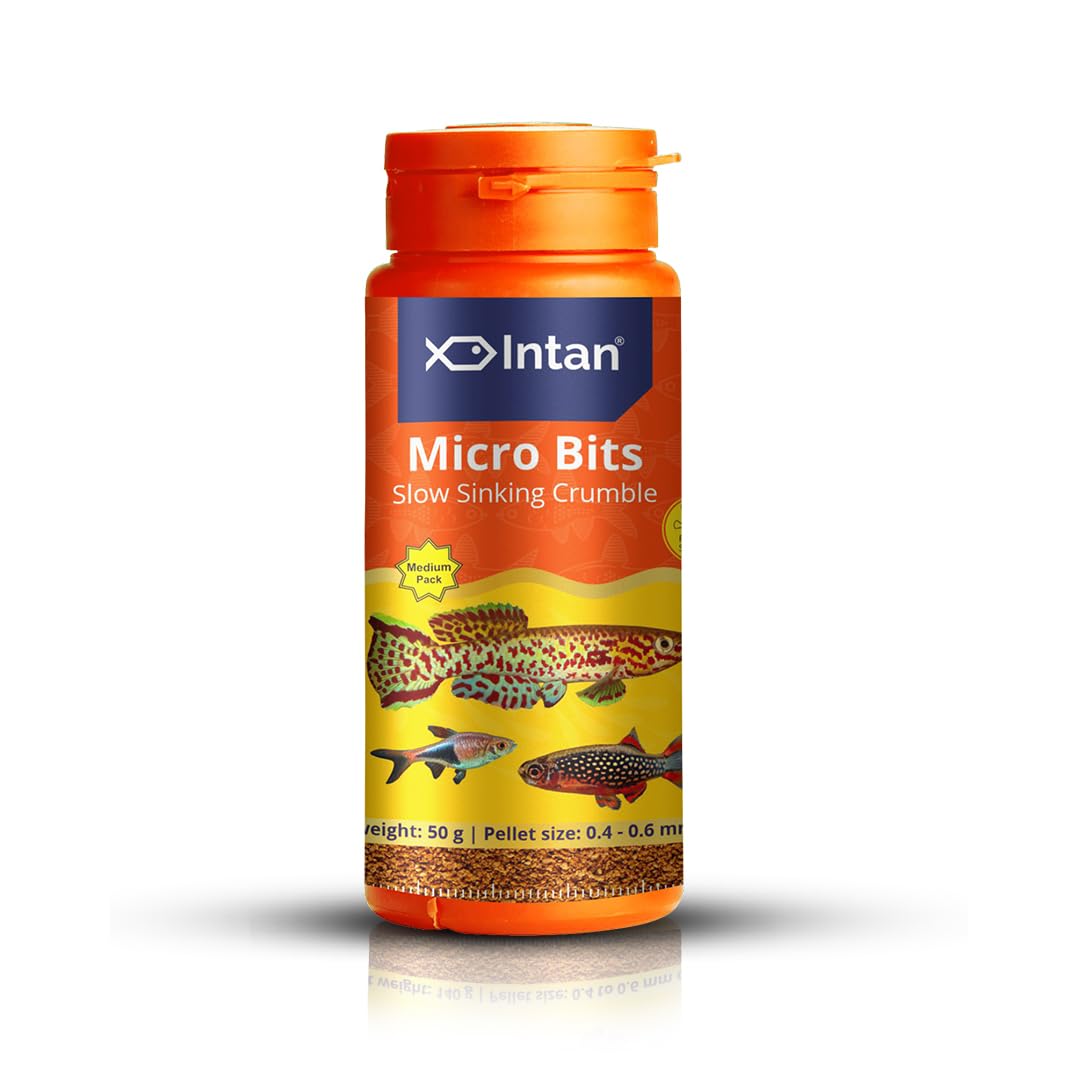
About this item
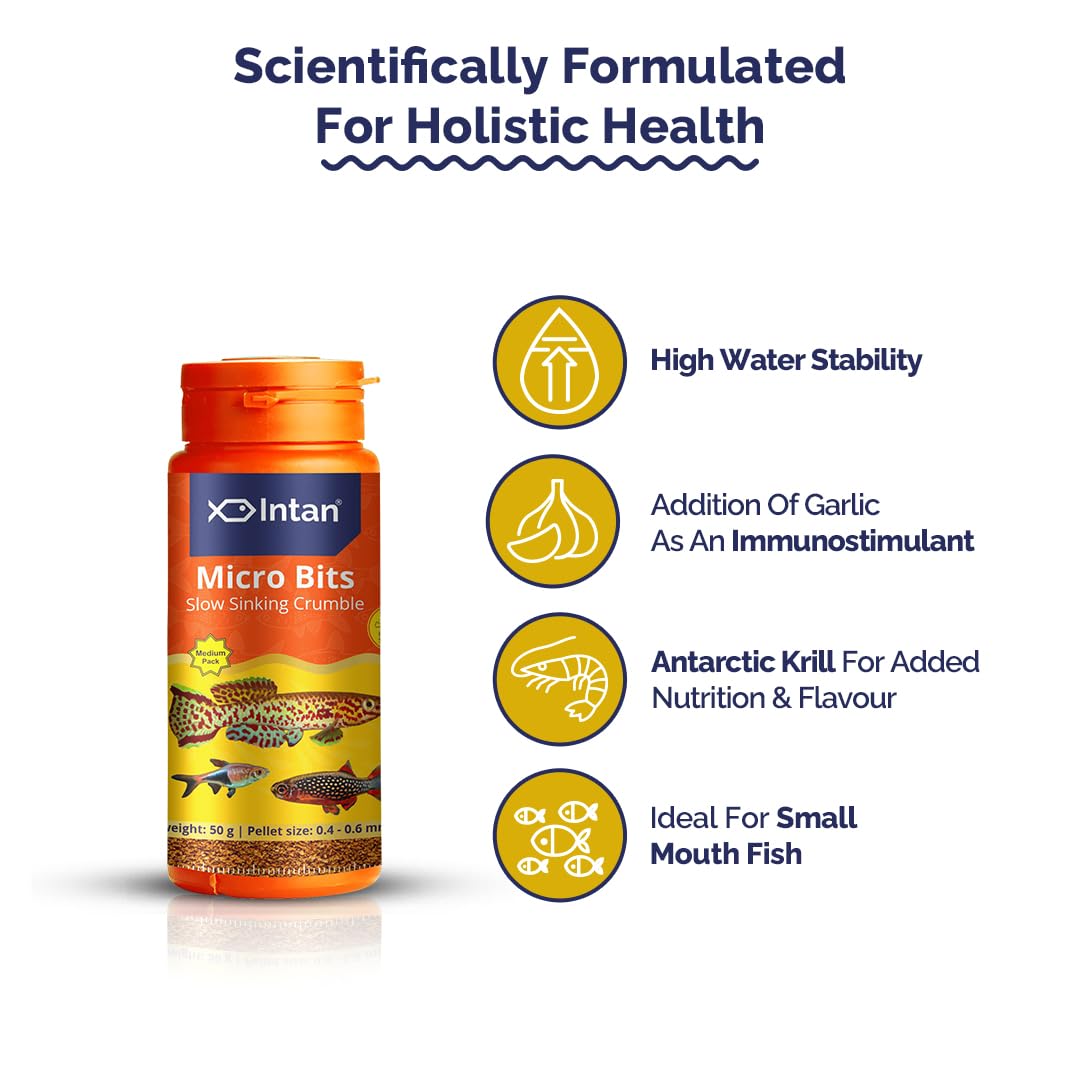
- High water stability
- Addition of garlic as an immunostimulant
- High Palatability
- Antarctic krill for added nutrition & flavour
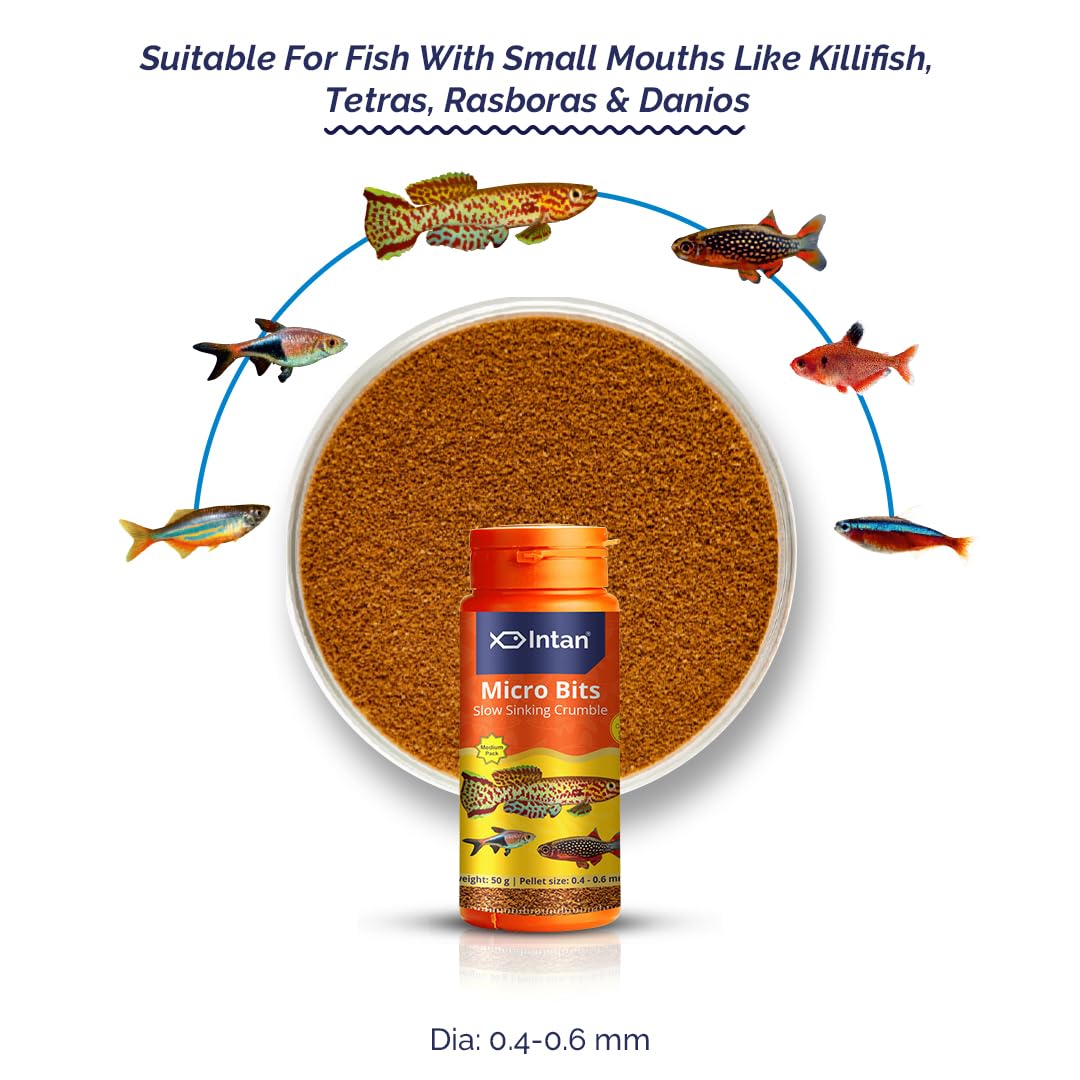
- Ideal for small mouth fish
Original price was: ₹198.00.₹158.00Current price is: ₹158.00.
When it comes to caring for your aquatic pets, providing the right nutrition is paramount. Healthy fish food for fish plays a critical role in ensuring your fish remain vibrant, energetic, and disease-free. In this comprehensive guide, we’ll explore everything from the types of fish food available, the nutritional needs of various species, how to select the best fish food for your specific fish, feeding techniques, and much more.
Fish, like all living creatures, require balanced nutrition to thrive. Proper nutrition impacts their:
Growth rate
Colour vibrancy
Immune system strength
Reproductive health
Longevity
Using the right fish food for fish ensures your aquatic pets get essential proteins, fats, carbohydrates, vitamins, and minerals tailored to their species and natural diet. Poor nutrition can lead to stunted growth, dull colors, weakened immunity, and increased susceptibility to disease.
There are numerous types of fish food for fish available on the market, each designed to meet the needs of different species and aquarium setups. Understanding these options will help you make an informed choice.
Flake food is one of the most common types of fish food for fish. It consists of thin flakes made from processed ingredients that float or sink slowly in the water. It is suitable for most tropical and freshwater fish and is easy to use.
Pros: Easy to feed, widely available, nutritionally balanced.
Cons: May lose nutrients if stored improperly, can pollute water if overfed.
Pellet fish food comes in various sizes and can be floating or sinking. Pellets are great for larger fish or species that feed at different water levels.
Pros: Longer shelf life, less mess, targeted nutrition.
Cons: Some pellets may not be suitable for small or picky eaters.
Freeze-dried and freeze-frozen foods include bloodworms, brine shrimp, and daphnia. These mimic natural prey and are excellent protein sources.
Pros: High protein content, promotes natural feeding behavior.
Cons: More expensive, needs to be stored carefully, may require soaking before feeding.
Live foods include small insects, worms, and crustaceans. They offer excellent nutrition and stimulation but come with risks like disease transmission.
Pros: Highly nutritious, encourages natural hunting instincts.
Cons: Harder to store, risk of parasites, may introduce contaminants.
Some fish require specialized diets, such as herbivore flakes, carnivore pellets, or foods enhanced with color enhancers.
Pros: Tailored nutrition for specific species.
Cons: May be more costly.
Understanding the dietary requirements of your specific fish species is key to selecting the right fish food for fish.
Carnivorous species like bettas, discus, and some cichlids need protein-rich diets consisting mainly of meat or live food. High-quality pellets or flakes with significant protein content are essential.
Fish like plecos, silver dollars, and certain tetras thrive on plant-based diets. Foods rich in algae, spirulina, and vegetable matter work best.
Most aquarium fish, such as guppies and mollies, are omnivores and require a balanced diet containing both plant and animal matter.
When choosing the best fish food for fish, consider the following factors:
Species dietary requirements
Fish size and age
Feeding behavior
Water type (freshwater or saltwater)
Water conditions and tank setup
Ingredient quality and nutritional content
Brand reputation and product reviews
Feeding your fish the right amount at the right frequency is as important as choosing quality food.
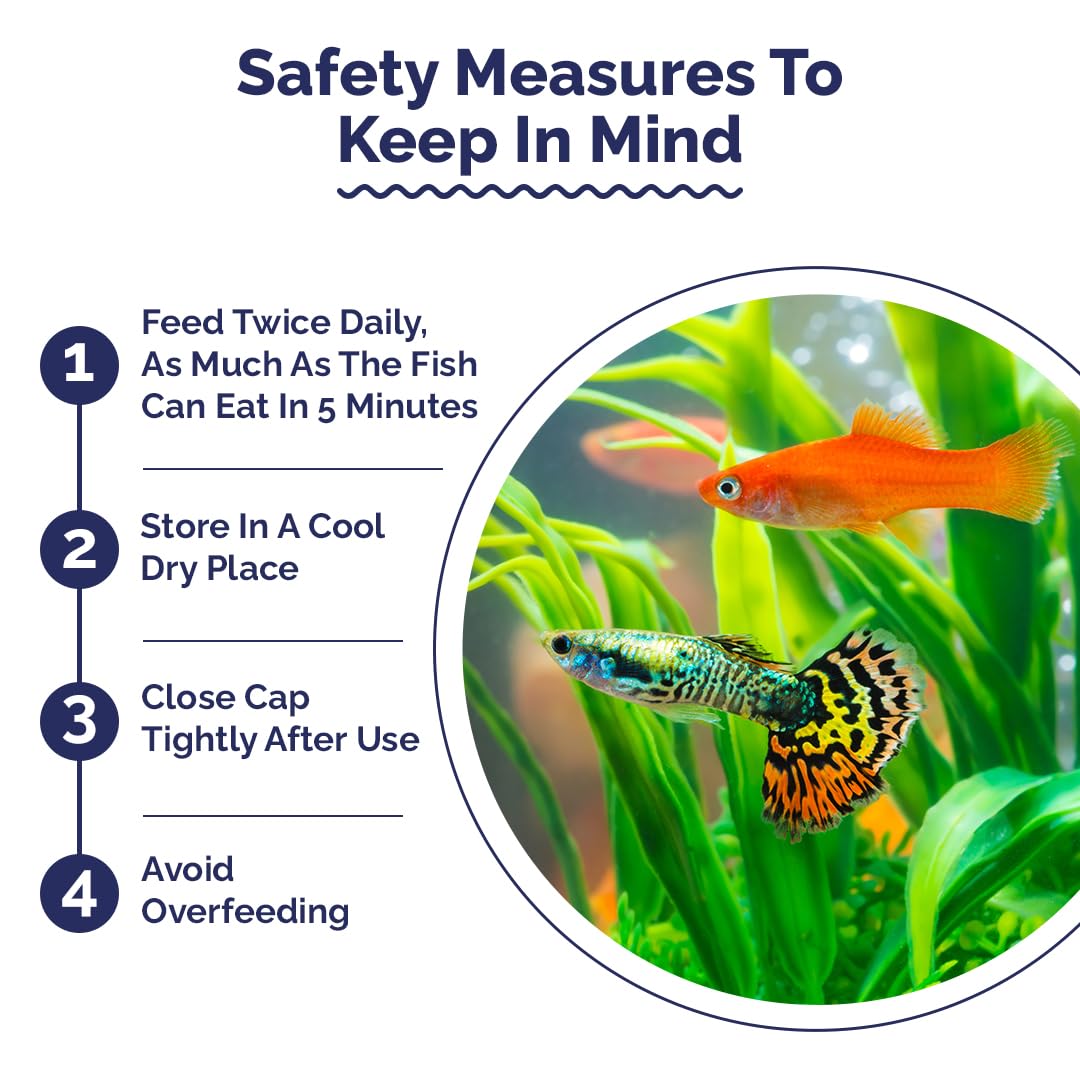
Feed small amounts 2-3 times per day to avoid overfeeding.
Observe fish behavior to adjust portions.
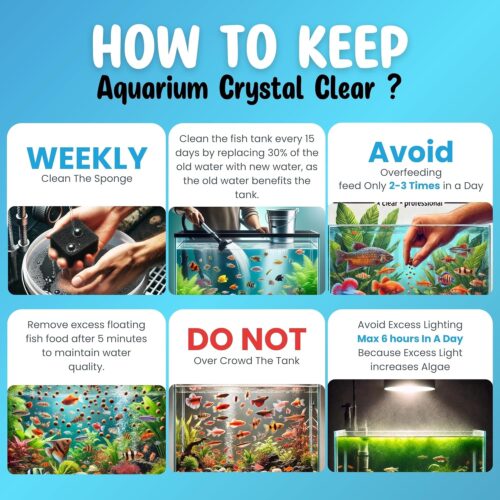
Remove uneaten food promptly to maintain water quality.
Vary diet with different types of food for balanced nutrition.
Many enthusiasts prepare homemade food for their fish using natural ingredients such as vegetables, fish, and supplements.
Pros: Control over ingredients, no additives, fresh.
Cons: Requires time, proper storage, and nutritional balance knowledge.
For experienced aquarium keepers, diving deeper into the specifics of fish food for fish can lead to healthier, more vibrant aquatic pets. Here are some advanced considerations:
Not all fish foods are created equal. Carefully reading ingredient labels on your chosen fish food for fish helps you understand the nutritional profile:
Protein Sources: Look for high-quality proteins such as fish meal, shrimp meal, or krill. Avoid fillers like wheat or corn that offer little nutritional value.
Fat Content: Healthy fats provide energy and support cell functions. Fish oil or flaxseed oil are excellent sources.
Vitamins and Minerals: Essential for immune health and metabolism, especially vitamins A, C, D, E, and minerals like calcium and phosphorus.
Additives: Some products include color enhancers or probiotics. These can benefit your fish but ensure they are from reputable sources.
Color enhancers are additives that improve or maintain the natural coloration of your fish. Species such as guppies, bettas, and angelfish benefit from diets rich in carotenoids like astaxanthin and spirulina, which intensify reds, blues, and yellows.
When selecting fish food for fish with color enhancers, ensure the ingredients are natural and safe. Overuse of artificial dyes can be harmful and might lead to health problems.
Your tank environment also influences the choice and method of feeding your fish.
In community tanks with multiple species, feeding a balanced fish food for fish that caters to omnivores usually works well. Flakes or pellets that sink slowly allow fish at different levels to feed comfortably.
In planted tanks, consider herbivorous fish that require algae-based or vegetable-rich food. Using fish food for fish with natural ingredients supports both fish health and plant life by reducing waste.
Marine fish often require specialized fish food for fish with marine proteins and minerals. Frozen or freeze-dried options like mysis shrimp, brine shrimp, and plankton supplements are excellent choices.
Proper feeding frequency and portion size are crucial in maintaining water quality and fish health.
Feed only what your fish can consume within 2-3 minutes per feeding.
Remove excess food immediately to prevent decomposition and ammonia spikes.
Adjust feeding based on fish age, activity level, and water temperature.
Consider fasting your fish once a week to promote digestion and prevent overfeeding.
Even with the best fish food for fish, improper feeding practices can cause health issues:
Overfeeding: Leads to obesity, poor water quality, and fungal or bacterial outbreaks.
Underfeeding: Causes malnutrition and weak immune systems.
Using the Wrong Food Type: Herbivores fed with carnivorous diets (or vice versa) can develop deficiencies.
Ignoring Special Needs: Some fish require supplemental feeding during breeding or molting.
Preserving the quality and nutrition of your fish food for fish depends heavily on proper storage:
Keep food sealed in airtight containers to prevent moisture and contamination.
Store in a cool, dry place away from sunlight and humidity.
Use older food first to avoid feeding expired or stale products.
Avoid mixing old and new food to maintain freshness.
High-quality fish food for fish not only benefits your fish but also helps maintain a stable aquarium ecosystem:
Better digestion reduces waste and water pollution.
Nutrient-rich food supports healthy fish behavior and breeding.
Proper feeding reduces algae blooms by limiting excess nutrients.
For those who want to craft their own fish food for fish, here are some simple recipes:
1 cup cooked peas (shell removed)
1 cup cooked spinach
1/2 cup cooked shrimp or fish fillet (finely chopped)
1 tablespoon gelatin (dissolved in warm water)
Blend all ingredients until smooth, mix with gelatin, pour into molds, and refrigerate until set. Cut into small portions and freeze for long-term storage.
1 tablespoon spirulina powder
1 hard-boiled egg yolk
1/2 cup cooked fish or chicken (finely chopped)
1 tablespoon fish oil
Combine all ingredients, form into small balls or flakes, and store in an airtight container in the refrigerator.
Always test homemade food for your fish’s tolerance and adjust ingredients accordingly.
Most fish thrive on 2-3 small feedings per day. However, feeding frequency can vary based on species and tank conditions.
Some human foods like peas or spinach (cooked and without seasoning) can be given occasionally. Avoid processed foods, dairy, or anything with additives.
Try changing the food type (flakes, pellets, frozen) or introducing live food to stimulate appetite. Ensure water quality and tank parameters are optimal.
Healthy fish have vibrant colors, steady growth, active behavior, and good appetite. If you notice lethargy, discoloration, or weight loss, reconsider their diet.
Providing high-quality fish food for fish is not only about growth and color—it’s a fundamental part of disease prevention. Well-nourished fish have stronger immune systems and are more resilient against infections like Ich, fin rot, and swim bladder disorders.
Certain ingredients in premium fish foods, such as garlic extract and probiotics, have been shown to boost immunity and promote gut health, helping your fish fight off pathogens naturally.
In today’s environmentally conscious world, many fish owners seek sustainable fish food for fish. These products are made using responsibly sourced ingredients, such as sustainably harvested fishmeal or plant-based proteins, reducing environmental impact.
Look for certifications or brands that promote ethical fishing and environmentally friendly manufacturing practices. Choosing sustainable fish food helps preserve natural aquatic ecosystems while keeping your fish healthy.
When breeding fish or raising fry (baby fish), nutritional requirements change. Fry often need smaller, softer, or specially formulated fish food for fish that contains higher protein levels and easily digestible ingredients.
Specialized fry foods may come as micro pellets, liquid feeds, or finely crushed flakes. Providing appropriate nutrition during early life stages increases survival rates and promotes strong development.
Advancements in biotechnology and food science are revolutionizing fish food for fish:
Precision nutrition: Tailored formulas based on species-specific needs, age, and health conditions.
Functional foods: Enriched with supplements like antioxidants, prebiotics, and vitamins to boost fish health.
Sustainable production: Innovations in producing fish protein from algae or insects to reduce reliance on wild fish stocks.
These trends promise to improve fish welfare and aquarium sustainability in the years to come.
Always research your fish species’ natural diet before selecting food.
Maintain variety in their diet to prevent nutritional gaps.
Avoid overfeeding to keep water quality high and fish healthy.
Observe your fish daily for signs of health or feeding issues.
Invest in high-quality, reputable fish food for fish products.
Consider supplementing with live or frozen foods occasionally for enrichment.
Store food properly to retain freshness and nutrient content.
Selecting the right fish food for fish is essential for a thriving aquarium. Whether you keep freshwater or marine species, herbivores or carnivores, there is a perfect nutritional option out there. By understanding the types of fish food available, the dietary needs of your fish, and best feeding practices, you ensure your aquatic companions lead healthy, colorful, and happy lives.
Remember, good fish nutrition goes beyond just feeding—it’s a holistic approach to pet care that affects their vitality, behavior, and longevity. Use this guide to choose and use the best fish food for fish to create an optimal environment where your fish can flourish.
Feeding your fish the right fish food for fish is vital, but equally important is maintaining excellent water quality in your aquarium. Uneaten food can quickly degrade and cause spikes in ammonia, nitrite, and nitrate levels, which are harmful to your fish’s health.
To prevent this:
Feed small portions that your fish can finish quickly.
Remove any leftover food promptly using a siphon or net.
Regularly test your aquarium water parameters.
Good water quality supports the digestion and absorption of nutrients from your fish food for fish, creating a healthier environment and happier fish.
If you plan to switch your fish’s diet, it’s essential to do so gradually to avoid stress and digestive upset. Here’s a simple transition plan:
Mix a small amount of the new fish food for fish with their current food.
Over 7-10 days, slowly increase the ratio of new food while decreasing the old food.
Observe your fish for any signs of refusal or digestive issues.
If problems occur, slow down the transition or consult a specialist.
Gradual changes help your fish adjust to new flavors, textures, and nutritional content while maintaining their health.
Just like humans, fish can benefit from dietary enrichment to stimulate natural behaviors and improve overall wellbeing. Here are some ideas:
Live plants: Many herbivorous fish enjoy nibbling on live aquarium plants, which provide fiber and variety.
Live or frozen treats: Occasional treats like bloodworms or brine shrimp provide protein boosts and mental stimulation.
Vegetable snacks: Blanched peas, zucchini slices, or spinach leaves can be excellent supplements, especially for herbivores.
Varied textures: Alternating between flakes, pellets, and gels encourages active feeding and reduces boredom.
Offering variety alongside your standard fish food for fish promotes a more natural and balanced diet.
Recognizing signs of poor nutrition helps you adjust your fish’s diet promptly. Common symptoms include:
Faded or dull coloration
Lethargy and reduced activity
Loss of appetite or difficulty eating
Abnormal swimming or buoyancy issues
Slow or stunted growth
Increased susceptibility to disease
If you notice these signs, review the type and quality of fish food for fish you’re using and consult a veterinarian or aquarium expert if needed.
Fish food loses nutritional value over time, especially when exposed to air, moisture, and heat. Feeding stale or expired food can lead to vitamin deficiencies and poor fish health.
To ensure freshness:
Purchase food in quantities that you can use within a few months.
Seal bags tightly or transfer food to airtight containers.
Store food in a cool, dry place away from direct sunlight.
Check expiration dates regularly and discard old food.
Fresh fish food for fish provides maximum nutritional benefits and keeps your aquarium ecosystem stable.
Some fish may require special dietary formulas, such as:
Digestive aids: Foods with probiotics or easily digestible ingredients for fish with digestive issues.
High-protein diets: For breeding or recovering fish to support rapid healing and energy needs.
Low-fat diets: For overweight or less active fish.
Medicated fish food: Containing treatments for internal parasites or bacterial infections, available under veterinary advice.
Using specialized fish food for fish can address specific health concerns and improve outcomes.


Reviews
There are no reviews yet.