Description
Ultimate Guide to Fish Treats for Dogs: Healthy, Nutritious, and Delicious Rewards
When it comes to rewarding your canine companion, fish treats for dogs have become increasingly popular for their unique combination of taste, health benefits, and natural ingredients. Dogs love the flavor, and owners love the nutritional profile that fish-based treats bring to the table. This guide covers everything you need to know about fish treats for dogs, from their benefits and types to choosing the best products and incorporating them into your dog’s diet safely.
What Are Fish Treats for Dogs?
Fish treats for dogs are specially formulated snacks that use fish or fish-derived ingredients as their primary protein source. Unlike traditional meat-based treats, fish treats often contain fatty acids such as Omega-3 and Omega-6, which are essential for a dog’s skin, coat, and joint health. These treats come in many forms — from crunchy biscuits and soft chews to freeze-dried fillets and jerky-style snacks.
Benefits of Fish Treats for Dogs
Fish treats for dogs offer numerous advantages that make them a superior choice for many pet owners. Below are some of the key benefits:
1. Rich Source of Omega-3 Fatty Acids
One of the most significant benefits of fish treats for dogs is their high omega-3 fatty acid content. Omega-3 fatty acids are essential for maintaining healthy skin, a shiny coat, and reducing inflammation within the body. Dogs with dry skin or allergies often respond well to diets supplemented with omega-3s, making fish treats a natural choice to improve their comfort and appearance.
2. High-Quality Protein
Fish is a lean source of protein that supports muscle maintenance and overall health. Protein from fish is easily digestible and packed with essential amino acids that help with tissue repair and immune function. Using fish treats for dogs adds variety to your dog’s protein sources, which is great for dogs with food sensitivities or allergies to more common proteins like beef or chicken.
3. Supports Joint Health
The anti-inflammatory properties of omega-3 fatty acids found in fish are linked to better joint health. Dogs suffering from arthritis or joint stiffness may benefit from fish treats, which can help ease discomfort and improve mobility over time.
4. Palatable and Easy to Digest
Most dogs find the taste of fish irresistible. Fish treats for dogs tend to be highly palatable, making them an effective tool for training, rewards, or just a healthy snack. Additionally, fish proteins are generally easier on the stomach, reducing the risk of digestive upset compared to some other treats.
5. Allergy-Friendly Option
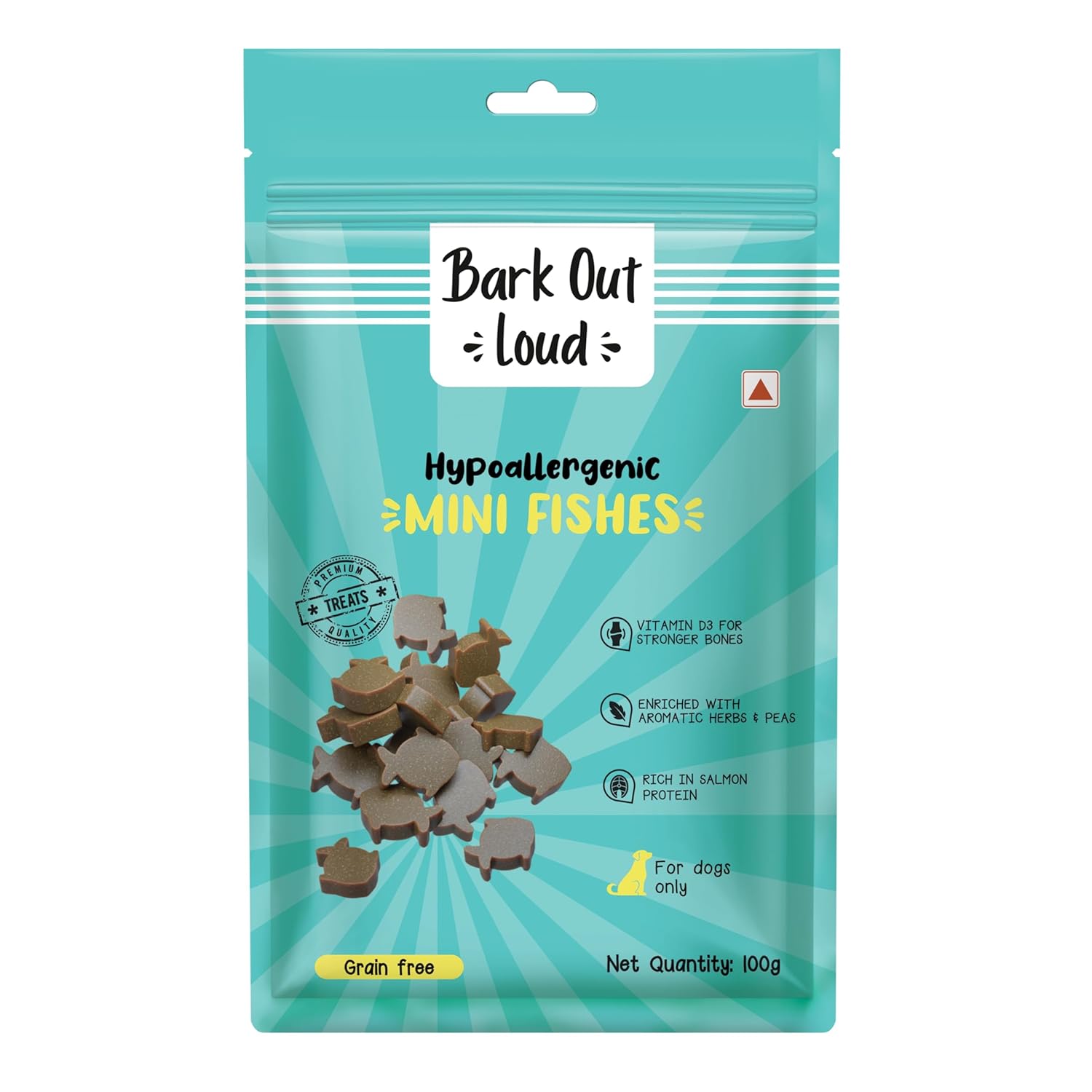
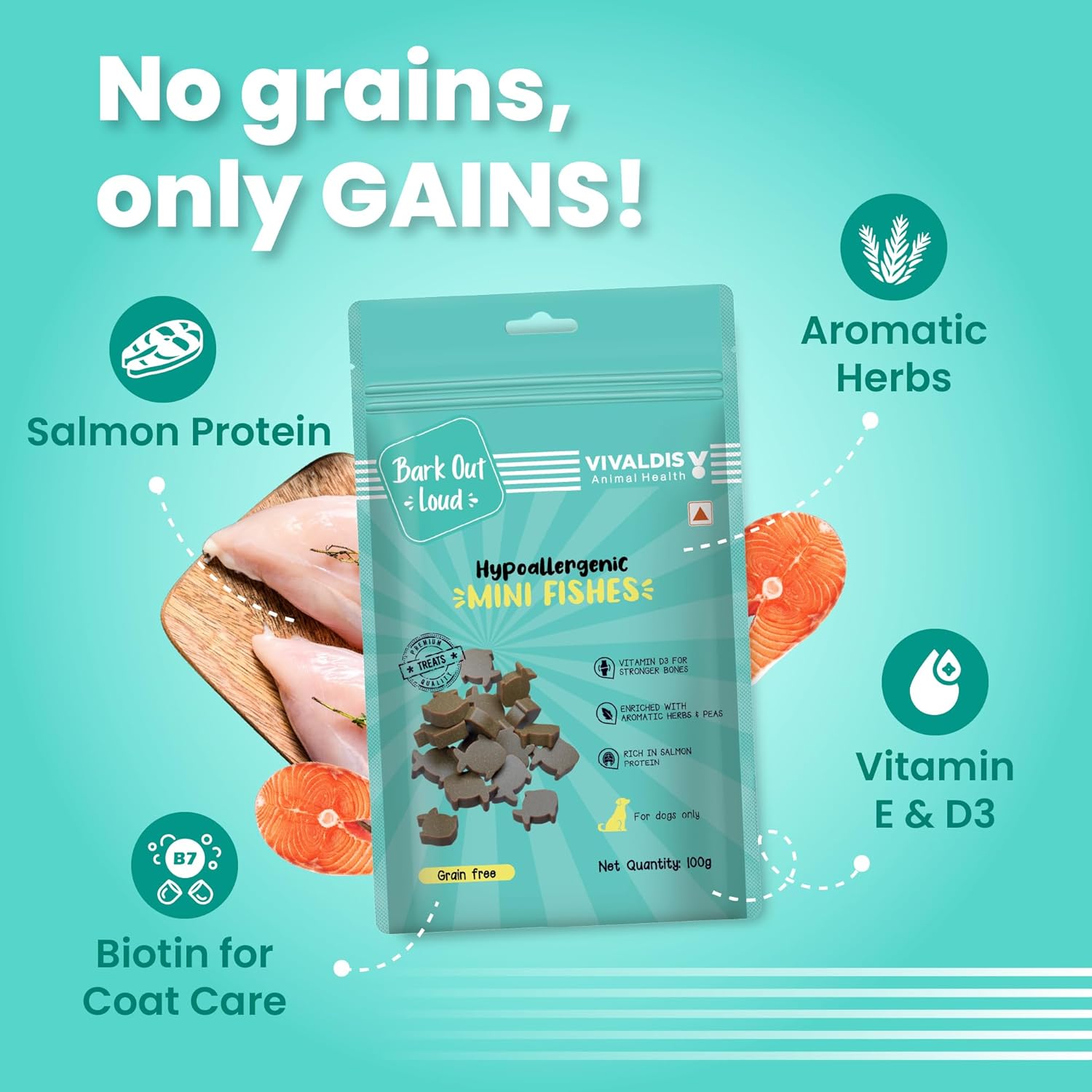
For dogs allergic to common proteins like beef, chicken, or dairy, fish treats provide a hypoallergenic alternative. Choosing fish treats for dogs can be a smart way to avoid allergic reactions while still giving your pet a delicious reward.
Common Types of Fish Used in Fish Treats for Dogs
Several types of fish are popular ingredients in fish treats for dogs. Each offers a unique nutrient profile and flavor that appeals to different dogs:
-
Salmon: One of the most popular choices, salmon is rich in omega-3s and known for its palatability.
-
Whitefish: Lean and mild-flavored, whitefish is a good option for sensitive stomachs.
-
Cod: Another mild-flavored fish, cod is high in protein and low in fat.
-
Sardines: These small fish are packed with nutrients, including calcium, vitamin D, and omega-3.
-
Herring: Similar to sardines, herring is an excellent source of fatty acids and vitamins.
Choosing the Best Fish Treats for Dogs: What to Look For
When selecting fish treats for dogs, keep the following points in mind to ensure you are choosing high-quality, safe, and nutritious products:
1. Look for Natural Ingredients
The best fish treats for dogs contain real fish as the primary ingredient with minimal additives or preservatives. Avoid treats with artificial colors, flavors, or fillers that add little nutritional value.
2. Check for Sustainably Sourced Fish
Sustainability is increasingly important in pet food production. Choose fish treats made from sustainably harvested fish to support ocean health and ethical sourcing.
3. Confirm the Treat is Free From Harmful Additives
Avoid treats containing excessive salt, sugar, or preservatives like BHA/BHT, which can be harmful over time. Instead, opt for products that use natural preservatives such as mixed tocopherols (vitamin E).
4. Consider Your Dog’s Specific Needs
Dogs with allergies, weight issues, or health concerns may require specific types of fish treats for dogs. For instance, smaller breeds may benefit from smaller, softer treats, while larger dogs may need more substantial chews.
How to Incorporate Fish Treats into Your Dog’s Diet
Fish treats for dogs are versatile and can be used in multiple ways:
-
Training Rewards: Due to their tastiness, fish treats are excellent motivators during training sessions.
-
Daily Snacks: Use fish treats as occasional healthy snacks without disrupting your dog’s regular diet.
-
Supplemental Nutrition: For dogs with skin or joint problems, fish treats can complement prescribed diets or supplements.
-
Special Occasions: Celebrate your dog’s birthday or milestones with fish treats as a special reward.
Remember to moderate treat intake to prevent overfeeding and always balance treats with your dog’s overall caloric needs.
Safety Tips and Precautions
While fish treats for dogs are generally safe, keep these tips in mind:
-
Avoid Overfeeding: Treats should not exceed 10% of your dog’s daily caloric intake.
-
Watch for Allergies: Introduce new treats gradually and monitor for adverse reactions such as itching, digestive upset, or ear infections.
-
Store Properly: Keep treats in a cool, dry place to maintain freshness and prevent spoilage.
-
Check for Bones: Some fish treats may contain small bones. Ensure treats are bone-free or specially prepared to avoid choking hazards.
Homemade Fish Treats for Dogs: Simple Recipes
If you prefer to make your own fish treats, here are two easy recipes that use natural ingredients:
Recipe 1: Baked Salmon Bites
Ingredients:
Instructions:
-
Preheat oven to 350°F (175°C).
-
Mix all ingredients until dough forms.
-
Roll into small balls and place on a baking sheet.
-
Bake for 15-20 minutes until firm and slightly golden.
-
Cool before serving.
Recipe 2: Freeze-Dried Fish Treats
Ingredients:
Instructions:
-
Slice fillets into thin strips.
-
Freeze overnight.
-
Use a freeze dryer (or low oven setting) to dry the strips until crunchy.
-
Store in airtight containers.
Frequently Asked Questions (FAQs) About Fish Treats for Dogs
Q1: Are fish treats good for all dog breeds?
A1: Yes, fish treats for dogs are generally suitable for all breeds but adjust portion sizes based on your dog’s size.
Q2: Can fish treats cause allergies?
A2: While fish is less allergenic than some meats, some dogs may still have fish allergies. Always introduce new treats slowly.
Q3: How many fish treats can I give my dog daily?
A3: Limit treats to 10% of your dog’s daily caloric intake. Consult your vet if unsure.
Q4: Are fish treats safe for puppies?
A4: Many fish treats are safe for puppies, but check the product label or consult your vet to ensure suitability.
Q5: Do fish treats support joint health?
A5: Yes, thanks to omega-3 fatty acids, fish treats can help reduce joint inflammation and support mobility.
Why Fish Treats for Dogs Are a Superior Choice Over Traditional Treats
Many dog owners tend to stick with traditional beef or chicken treats, but fish treats for dogs offer several advantages that make them stand out:
Healthier Fat Profile
Fish contains a healthier balance of fats compared to other meat proteins. The Omega-3 fatty acids found in fish help reduce the risk of heart disease and promote brain health in dogs. Unlike beef or pork treats, which can be high in saturated fat, fish treats offer a leaner and more balanced fat content, supporting better long-term health.
Less Risk of Food Intolerances
Food intolerance is common among dogs and often linked to proteins like chicken or beef. Fish is considered a novel protein, meaning it’s less likely to cause allergic reactions in dogs with sensitivities. By switching to fish treats for dogs, you reduce the risk of skin irritations, digestive issues, and other allergy symptoms.
Enhanced Palatability
The natural oils in fish enhance the flavor and aroma of the treats, making fish treats for dogs incredibly enticing even for picky eaters. This makes them highly effective for training and encouraging good behavior.
The Role of Fish Treats in Specific Dog Health Conditions
Using fish treats for dogs is not just about taste but can play a supportive role in managing certain health conditions:
Skin and Coat Conditions
Dogs with dry, itchy, or flaky skin benefit greatly from the omega fatty acids in fish treats. These fatty acids help restore the skin barrier, reduce inflammation, and promote a shiny, healthy coat. Many veterinarians recommend fish oil supplements or fish-based treats as a complementary treatment for skin allergies and dermatitis.
Joint Disorders
Arthritis and other joint disorders are common in aging dogs. The anti-inflammatory properties of fish-derived omega-3 fatty acids help reduce joint pain and stiffness, improving mobility. Regular feeding of fish treats for dogs can be part of a holistic joint health strategy.
Cognitive Function
Fish fats like DHA (docosahexaenoic acid) contribute to brain development and function. Puppies and senior dogs alike may experience cognitive benefits from regular intake of fish treats, supporting learning ability and mental clarity.
How to Safely Introduce Fish Treats for Dogs to Your Pet
If your dog hasn’t had fish treats before, follow these steps for a smooth introduction:
-
Start Small: Introduce a small piece of fish treat and observe your dog for 24-48 hours.
-
Watch for Allergies: Monitor for any signs of itching, vomiting, diarrhea, or unusual behavior.
-
Gradual Increase: If no adverse reactions occur, slowly increase the quantity as part of their treat intake.
-
Balance Diet: Ensure fish treats complement a balanced diet rather than replace regular meals.
Frequently Overlooked Benefits of Fish Treats for Dogs
Weight Management Support
Many fish treats for dogs are naturally lower in calories compared to beef or poultry alternatives. This makes them an excellent choice for dogs on calorie-restricted diets or weight management plans.
Hydration Support
Certain fish treats contain moisture-rich ingredients that can help support hydration, especially when used as a soft treat or mixed with wet food.
Natural Antioxidants
Fish naturally contains antioxidants such as selenium and vitamins A and D, which play a role in immune system support and overall health maintenance.
Customer Testimonials: Real Stories from Dog Owners
Here are some genuine experiences from pet owners who switched to fish treats for dogs:
-
“My Golden Retriever loves these fish treats! Her coat is shinier and her itching has reduced since we started using them.” — Lisa M.
-
“I was worried my pup wouldn’t like anything but beef, but these fish treats are a hit. Plus, they seem easier on his stomach.” — Mark T.
-
“Great for training! The smell is strong and my dog gets excited every time I pull out the fish treats.” — Sarah K.
Environmentally Friendly Benefits of Choosing Fish Treats
Choosing fish treats for dogs made with sustainably sourced ingredients also supports environmental conservation. Many manufacturers prioritize responsible fishing practices, helping to reduce overfishing and habitat destruction.
By choosing these products, you not only give your dog nutritious treats but also contribute to protecting marine ecosystems.
Storage and Shelf Life Tips for Fish Treats for Dogs
To maintain freshness and nutritional value:
-
Store in an airtight container, away from direct sunlight.
-
Keep in a cool, dry place to prevent moisture buildup.
-
Check expiration dates and avoid using expired treats.
-
Some fish treats may be refrigerated after opening to prolong shelf life.
Conclusion: Why Fish Treats for Dogs Should Be Your Next Choice
Incorporating fish treats for dogs into your pet’s treat rotation brings a wealth of benefits—nutritional, health-related, and environmental. With their rich omega-3 content, high-quality protein, and natural palatability, fish treats are a smart choice for dog owners who want to offer something tasty and healthy.
Whether for training, everyday snacks, or health support, fish treats for dogs provide a delicious way to show love and care.
How Fish Treats for Dogs Compare with Other Protein-Based Treats
When deciding between fish treats for dogs and other protein-based treats like beef, chicken, or lamb, it’s essential to consider their nutritional differences and benefits.
Nutritional Comparison
-
Fat Content: Fish treats typically have a higher content of healthy unsaturated fats, especially omega-3 fatty acids, compared to beef or chicken treats. This supports cardiovascular health, skin, and coat vitality.
-
Digestibility: Fish proteins are generally easier for dogs to digest. Dogs with sensitive stomachs often tolerate fish treats better than other protein sources, reducing incidents of vomiting or diarrhea.
-
Allergen Potential: While chicken and beef are common allergens, fish is less so, making fish treats for dogs an excellent hypoallergenic choice for sensitive pets.
-
Micronutrients: Fish contains essential vitamins such as B12, vitamin D, and minerals like selenium and iodine, which might be less abundant in other meat treats.
Tips for Selecting Fish Treats for Dogs Based on Life Stage
Different life stages and breeds require tailored nutrition. Here’s how fish treats can fit into your dog’s life:
Puppies
Puppies need nutrient-dense treats to support rapid growth and brain development. Fish treats high in DHA and EPA omega-3 fatty acids promote cognitive health and vision development. Choose smaller-sized, soft fish treats that puppies can easily chew.
Adult Dogs
Adult dogs benefit from fish treats that maintain joint health, skin, and coat. Look for treats fortified with additional vitamins and minerals to help sustain overall health. Moderate the portion size to avoid overfeeding.
Senior Dogs
Older dogs often face joint stiffness and cognitive decline. Fish treats with anti-inflammatory properties and brain-supporting nutrients can be very helpful. Consider softer textures for easier chewing and digestion.
How to Use Fish Treats for Dogs in Training
Training sessions are more effective when you use highly motivating treats. Fish treats for dogs stand out because of their irresistible aroma and taste, encouraging your dog to focus and learn quickly. Here are some tips:
-
Use small, bite-sized fish treats so your dog can quickly eat the reward and stay focused on training.
-
Incorporate fish treats intermittently to keep your dog eager but avoid overfeeding.
-
Pair fish treats with verbal praise for maximum positive reinforcement.
DIY Fish Treat Recipes: Creative Ideas for Homemade Fish Treats for Dogs
If you want to customize your dog’s treats or control ingredients fully, here are some simple homemade fish treat recipes:
Recipe 1: Dehydrated Salmon Strips
Ingredients:
Instructions:
-
Slice salmon into thin strips.
-
Place strips on a dehydrator tray or baking sheet.
-
Dry at low temperature (around 140°F or 60°C) for 6-8 hours until fully dried and chewy.
-
Cool and store in an airtight container.
Recipe 2: Fish & Sweet Potato Bites
Ingredients:
Instructions:
-
Preheat oven to 350°F (175°C).
-
Mix all ingredients in a bowl until combined.
-
Scoop small spoonfuls onto a baking tray lined with parchment paper.
-
Bake for 15-20 minutes or until firm.
-
Cool completely before serving.
Common Questions About Fish Treats for Dogs
Q: Are fish treats safe for dogs with kidney problems?
A: Fish treats are generally safe, but dogs with kidney issues should have protein intake monitored by a vet, as excessive protein can strain kidneys.
Q: Can fish treats help with bad breath?
A: Yes, some fish treats contain natural enzymes or added ingredients that support oral hygiene, helping to reduce bad breath.
Q: How often can I give my dog fish treats?
A: Treats should be given in moderation, ideally 1-2 times a day, accounting for total daily calorie intake.
Q: Do fish treats require refrigeration?
A: Most commercially packaged fish treats are shelf-stable if unopened, but always check packaging instructions.






Reviews
There are no reviews yet.