Description
Natural Dog Food Treats – Wholesome Rewards for Your Best Friend
In recent years, pet owners have increasingly shifted towards healthier, cleaner options for their canine companions. Among those changes, natural dog food treats stand out as one of the best ways to reward, train, and nurture your dog without compromising on health. Natural dog food treats offer real benefits—nutritional, behavioural, digestive, and emotional—that highly processed snacks simply can’t match.
What Are Natural Dog Food Treats?
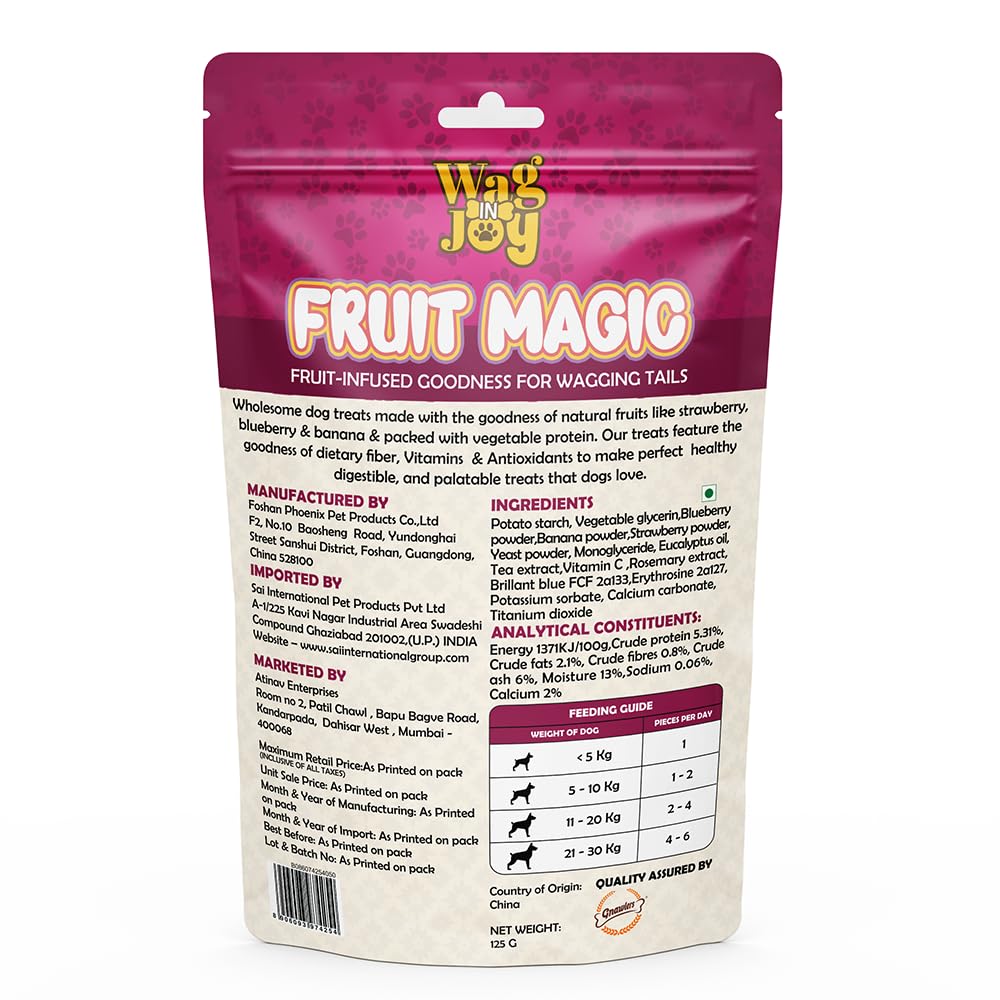
Natural dog food treats are snacks made from whole‑food ingredients, minimally processed, and free from artificial colours, flavours, preservatives, and unnecessary fillers. They often include lean meats, fruits, vegetables, simple grains (or grain‑free), and natural preservatives like Vitamin E or rosemary extract. The goal is simple: treat your dog with snacks that are as close to their natural diet as possible, while being safe, tasty, and supportive of overall wellbeing.
Why Choose Natural Dog Food Treats? Key Benefits
Here are the major benefits of natural dog food treats, with supporting points from studies, expert advice, and pet nutrition sources.
1. Improved Digestion & Fewer Gastrointestinal Issues
Many dogs suffer from food sensitivities or digestive problems—including gas, bloating, soft stools, or allergies—that are often triggered by artificial additives, fillers like corn, soy, wheat, or excessive fats. Natural dog food treats avoid those issues because they use simpler, cleaner ingredients. Dogs fed natural treats often have more stable digestion, less stomach upset, and better consistency in their bowel movements. getwag.com.au+4Caring for Pets+4Animal Consultants+4
2. Lower Allergy & Sensitivity Risks
Artificial flavourings, colours, and chemical preservatives can trigger allergic reactions in sensitive dogs. Natural dog food treats typically omit these risk factors. Many natural options also use hypoallergenic or limited ingredients, which is ideal if your dog has known or suspected food sensitivities. The Little Pet Biscuit Company+3Phluffy+3The Natural Doggy Chews Co.+3
3. Better Skin, Coat & General Health
Ingredients in natural dog food treats—especially those rich in Omega‑3 and Omega‑6 fatty acids, antioxidants, and vitamins—support healthy skin and shiny coats. These treats help reduce itching, dryness, and shedding, promoting a glossy, healthy appearance in dogs. Caring for Pets+2Dewkes Retail+2
4. Dental & Oral Health Support
Natural chews (like dried meats, crunchy vegetables, or air‑dried bones) help reduce plaque, tartar, and promote fresh breath. The act of chewing strengthens gums and can help mechanically clean teeth. Natural dog food treats in hard or semi‑hard forms offer dental hygiene benefits beyond just calories. bellaandduke.com+2The Little Pet Biscuit Company+2
5. More Nutrient Retention & Purity
Because natural dog food treats are minimally processed, they tend to retain more of their inherent nutrients—vitamins, minerals, healthy fats—compared to heavily processed snacks. Natural processing methods like dehydration, air‑drying or gentle cooking preserve more nutritional value. Doggy Treats UK+2The Natural Doggy Chews Co.+2
6. Better Energy Levels & Weight Management
Treats contribute to your dog’s daily calorie intake. Using natural dog food treats helps because they are often lower in empty calories (sugars, fillers) and higher in protein or quality nutrients. As a result, dogs maintain more stable energy levels without sharp spikes and drops. Properly portioned natural treats also help prevent obesity. bellaandduke.com+1
7. Mental Enrichment & Behavioral Benefits
Dogs enjoy a variety of textures, flavours, and challenges. Natural dog food treats offer this variety—chewy jerky, crunchy baked goods, rawhide alternatives, freeze‑dried meats, or dehydrated fruits. Using these as rewards can enhance training, reduce boredom, and support positive behavior. Dogtropolis+1
8. Fewer Synthetic Chemicals & Long‑Term Health
Avoiding artificial preservatives (like BHA, BHT, ethoxyquin), artificial colours, sweeteners like xylitol, and synthetic flavour enhancers reduces risk of long‑term harm. Some studies link synthetic preservatives to skin issues, organ stress, or worse. Natural dog food treats avoid many of these risks. Pets4Homes+2Phluffy+2
What to Look for When Buying Natural Dog Food Treats
Knowing the benefits is one thing—being able to choose good treats is another. Here’s a checklist to help you pick top‑quality natural dog food treats:
| Factor |
Why It Matters |
| Ingredient List |
The fewer and more recognizable, the better. Look for meat as the first ingredient, fruits/vegetables, and natural preservatives. Avoid vague “meat by‑product.” |
| No Artificial Additives |
Skip artificial colours, flavours, sweeteners, and chemical preservatives. As noted, these often cause allergies or sensitivities. Pets4Homes+1 |
| Proper Processing |
Gentle or low‑temperature drying, air‑drying, freeze‑drying or light baking preserves nutrients better and avoids damaging heat. Doggy Treats UK |
| Transparent Sourcing |
Good natural treats often share where their meat/fish/poultry comes from, sustainable farms, or high‑welfare practices, which means safer and more ethical products. |
| Moderate Fat and Calorie Levels |
Even natural treats add up—make sure the treat is well‑balanced, lean, and portion sized appropriately. |
| Allergen Awareness |
If your dog is sensitive, pick treats that are grain‑free, limited ingredient, or free from common allergens. |
| Dental Benefits |
If possible, choose treats with textures or forms that help clean teeth or reduce plaque. |
Common Ingredients to Avoid in Treats
When selecting natural dog food treats, it helps to know what to avoid. These are warning signs in ingredient lists:
-
Artificial preservatives: BHA, BHT, ethoxyquin, sodium nitrate, etc. Pets4Homes+1
-
Artificial colourants and flavours. Pets4Homes+1
-
Sweeteners like xylitol or high‑fructose corn syrup. PetMD+1
-
Fillers & cheap grains that are nutritionally poor and potentially allergenic: wheat, corn, soy, etc. getwag.com.au+1
-
Artificial humectants (like propylene glycol) and moisture agents. Pets4Homes+1
Types of Natural Dog Food Treats
There’s a wide variety of natural dog food treats. Different forms suit different dogs and needs.
-
Air‑dried or Dehydrated Meats: Beef strips, chicken breast slices, fish jerky. High protein, often minimal processing.
-
Freeze‑Dried Treats: Retain moisture and nutritional content better; lightweight and rich flavour.
-
Crunchy Baked Treats: Natural baked biscuits using whole grains or grain‑free flours, vegetables, fruits.
-
Chews and Rawhide Alternatives: Antlers, ears, etc., that are cleaned and processed naturally.
-
Fruit / Vegetable Treats: Carrot sticks, sweet potato chews, slices of apple, pumpkin, blueberries. Great low‑calorie options.
-
Limited Ingredient Treats: For dogs with sensitivities; often use single protein source + minimal extras.
How to Use Natural Dog Food Treats in Training & Care
Natural treats aren’t just for occasional snacking—they can play a significant role in training, behaviour reinforcement, and care routines.
-
Use them as training rewards—because dogs are motivated by flavour, natural dog food treats are often more effective than bland or overly sweet commercial treats.
-
Break treats into smaller pieces so you can reward often without overfeeding.
-
Use crunchy or chew forms for dental support after meals or play.
-
Alternate flavours/textures to prevent boredom and to provide varied nutritional exposure.
-
Always monitor your dog’s reaction when introducing a new natural treat, especially for signs of allergies or digestive upset.
Homemade Natural Dog Food Treats
If you prefer, you can make your own natural dog food treats. Homemade options give you complete control over ingredients. Here are tips:
-
Use safe proteins like chicken, turkey, lean beef, fish.
-
Include vegetables and fruits safe for dogs: carrots, pumpkin, blueberries. Avoid toxic ones like grapes, raisins, onions, garlic. PetMD
-
Use whole grain or grain‑free flours if needed.
-
Limit added salt, sugars, and avoid sweeteners like xylitol.
-
Cook or dehydrate gently to preserve nutrients.
-
Store properly to prevent spoilage.
Common Myths About Natural Dog Food Treats
-
Myth: Natural treats always cost a lot.
Truth: While premium ones are more expensive, there are affordable natural treat options. Buying in bulk or choosing single‑ingredient treats helps.
-
Myth: Natural treats aren’t as tasty.
Truth: Dogs often find them more palatable due to real meat, strong natural flavours, and less masking by artificial ingredients.
-
Myth: Grain‑free is always better.
Truth: Not always. Some dogs do well with grains. What’s more important is quality, digestibility, and absence of harmful ingredients.
Potential Drawbacks & How to Mitigate
-
Overfeeding: Even natural treats add calories. Always consider total daily calorie intake.
-
Allergies: Just because something is natural doesn’t guarantee it’s non‑allergenic. Always test new treats gradually.
-
Storage & Shelf Life: Natural treats without heavy preservatives may spoil faster. Keep them sealed, cool, dry.
-
Texture issues: Hard natural chews may be unsuitable for puppies, older dogs, or those with dental problems. Choose texture accordingly.
How to Incorporate Natural Dog Food Treats Into Daily Life
-
Portion control: Keep treats under ~10‑15% of daily calories.
-
Scheduling: Use treats post‑training, after walks, or as reward for desired behaviour.
-
Pairing with other care: Use natural treats along with regular good nutrition, exercise, hygiene.
-
Store correctly: Airtight containers, moderate humidity, avoid direct sunlight.
-
Vet consultation: For dietary restrictions, allergies, or special health conditions.
Natural Dog Food Treats And Long‑Term Health Outcomes
Dogs fed diets and treated with more natural options often show better overall health markers: fewer allergic reactions, less digestive upset, healthier weight, better coat condition, improved dental health. This contributes to longer, happier lifespan. The cumulative effect of avoiding harmful additives and focusing on high‑quality ingredients has positive long‑term implications. Dogtropolis+2Dewkes Retail+2
Conclusion
Natural dog food treats represent a healthier, cleaner, and more beneficial way to show love to your dog. By choosing treats made from real, whole ingredients, avoiding synthetic additives and fillers, and using treats thoughtfully within a balanced diet, you’re making a choice that supports your dog’s physical health, mental wellbeing, digestive comfort, and long‑term happiness.
Every time you reach for a natural dog food treat, you’re giving your dog more than just a snack—you’re offering quality, nourishment, and respect for their natural needs. Make your treat choices count, and your dog will thrive.
What Veterinarians Say About Natural Dog Food Treats
Many veterinarians and pet nutritionists recommend natural dog food treats as part of a balanced canine diet—especially for dogs with sensitivities or health conditions.
Veterinarians often highlight the following reasons:
-
Fewer harmful additives: Synthetic preservatives and artificial colors in conventional treats are linked to increased risks of allergies and even long-term health issues.
-
Better digestibility: Dogs often show improved digestion and stool quality when given treats made from whole foods and real meats.
-
Support for specialized diets: Whether your dog is on a hypoallergenic, grain-free, low-fat, or single-protein diet, natural dog food treats can be tailored to fit.
In clinical settings, vets may suggest natural options for dogs recovering from illnesses, dogs with pancreatitis (low-fat natural treats), or older dogs needing softer, easy-to-chew snacks.
If you’re unsure which type of natural treat suits your pet, always consult a vet, especially for dogs with known allergies, gastrointestinal issues, or weight problems.
Natural Dog Food Treats for Puppies
Puppies have different nutritional needs than adult dogs, and their teeth and digestive systems are still developing. Here’s how to safely include natural dog food treats in a puppy’s routine:
Best practices:
-
Wait until 8–12 weeks before introducing any treats (consult your vet first).
-
Choose soft, chewable textures—like freeze-dried chicken or soft-baked salmon treats.
-
Use treats rich in DHA and omega-3s to support brain and eye development.
-
Avoid bones or hard chews that could damage developing teeth.
For puppies, natural dog food treats are excellent for reward-based training (housebreaking, crate training, basic commands). Because natural treats are typically more palatable, they’re highly motivating without being harmful to their sensitive systems.
Natural Dog Food Treats for Senior Dogs
Senior dogs need treats that align with aging bodies—softer textures, joint support, and fewer calories. Natural dog food treats cater well to these needs:
-
Low-fat natural treats help prevent weight gain as metabolism slows down.
-
Joint-supporting ingredients like glucosamine, turmeric, or fish oil can be found in some natural options.
-
Softer textures such as baked or moist treats are easier to chew for dogs with dental issues.
Natural ingredients also reduce the chance of digestive flare-ups, which are more common in older pets.
Real Dog Owner Testimonials
Here’s what real dog owners say about switching to natural dog food treats:
“After switching to natural dog food treats, my golden retriever’s itchy skin and gas issues cleared up within weeks. I’ll never go back to artificial snacks.”
— Nina G., Bangalore
“My vet recommended natural treats for my senior pug. He loves the pumpkin-based ones, and I’ve noticed his energy levels are more stable.”
— Rahul M., Mumbai
“We use freeze-dried chicken as a training treat. The results are amazing! Our puppy now sits and stays without hesitation.”
— Anjali P., Hyderabad
These stories highlight how powerful good nutrition can be, even in small portions like snacks.
Summary: Why Natural Dog Food Treats Are Worth It
If you care about your dog’s health, switching to natural dog food treats is one of the easiest and most impactful changes you can make. They provide:
✅ Better nutrition
✅ Fewer health risks
✅ Improved skin, digestion & coat
✅ Higher-quality ingredients
✅ More variety and flavour
✅ Enhanced training results
✅ Longer-term wellness
Whether you’re shopping for puppies, adult dogs, or seniors, natural treats are suitable for all life stages. They’re not just a luxury—they’re a smarter, healthier investment in your dog’s well-being.
How to Transition Your Dog to Natural Dog Food Treats
If your dog is used to heavily processed or commercial treats, you might need to transition them gradually to natural dog food treats—especially if they have a sensitive stomach.
Here’s a step-by-step guide:
1. Start with Small Portions
Introduce one type of natural dog food treat at a time. Begin with a small piece and monitor your dog’s reaction over 24–48 hours.
2. Watch for Signs of Intolerance
Even though these treats are natural, your dog may still have sensitivities to certain proteins (like beef or chicken) or new ingredients (like coconut or chickpeas). Look for signs like:
If you notice any of these, discontinue that specific treat and try a different protein source or formula.
3. Stick to Limited Ingredients First
Choose treats with simple, minimal ingredients when starting out. Many natural dog food treats list only 1–3 whole ingredients—such as dehydrated lamb, sweet potato, or turkey liver. This makes it easier to identify allergens and ensures clean nutrition.
4. Gradually Replace Old Treats
As your dog adjusts, start replacing your old commercial treats with natural dog food treats completely. Most dogs quickly develop a preference for the richer, more authentic taste of natural ingredients.
Popular Flavours & Ingredients in Natural Dog Food Treats
Here’s a breakdown of popular and beneficial ingredients often used in natural dog food treats:
| Ingredient |
Benefits |
Common Form |
| Chicken |
Lean protein, supports muscles |
Freeze-dried, baked, jerky |
| Salmon |
Omega-3s, healthy skin and coat |
Bites, fillets, soft chews |
| Sweet Potato |
Digestive fiber, low in fat |
Dehydrated chips, baked |
| Pumpkin |
Aids digestion, natural dewormer |
Puree, bites, cubes |
| Blueberries |
Antioxidants, supports immunity |
Baked or mixed into dough |
| Duck |
Great for dogs with allergies |
Jerky or dehydrated slices |
| Lamb |
Hypoallergenic protein, very digestible |
Air-dried, freeze-dried |
| Coconut oil |
Skin & coat health, antimicrobial |
Added in baked treats |
| Turmeric |
Anti-inflammatory, joint support |
Mixed in dough or coatings |
These ingredients are not only functional but also highly palatable—especially when processed minimally and paired with natural flavours.
Are Natural Dog Food Treats More Expensive?
It’s a fair question—and the answer is, sometimes. Yes, natural dog food treats can cost slightly more than conventional, bulk-processed options. However, when evaluating cost, consider the value they provide:
-
Fewer vet bills due to allergies, digestive issues, or intolerances
-
Higher quality ingredients with better bioavailability
-
Satisfaction per piece—dogs often need fewer treats to feel rewarded
-
Longer-term health outcomes and better weight management
If you buy in bulk, choose multi-purpose treats (e.g., ones suitable for both training and health), or even make some at home, the costs become very manageable.
Think of natural dog food treats like quality supplements—they’re not just a “snack,” but part of your dog’s wellness routine.
Natural Dog Food Treats: Storage Tips
Since these treats avoid synthetic preservatives, proper storage is essential to preserve freshness and prevent spoilage.
Best practices:
-
Store in airtight containers (preferably glass or BPA-free plastic)
-
Keep them in a cool, dry area, away from sunlight
-
Refrigerate or freeze treats that have no added preservatives (especially meat-based ones)
-
Always check expiry dates, and use within a reasonable time after opening
-
Avoid exposing to moisture, which can lead to mold





Reviews
There are no reviews yet.