Description
The Ultimate Guide to Choosing the Right Grooming Brush for Dogs and Cats
Introduction
Keeping your pets clean, comfortable, and healthy goes beyond regular baths and feeding. Grooming is an essential part of pet care that many owners overlook. One of the most effective tools you can use is a grooming brush for dogs. Whether you have a playful puppy, a fluffy cat, or a senior pet, a grooming brush helps remove loose fur, reduce shedding, and maintain a shiny coat. In this comprehensive guide, we’ll explore everything you need to know about grooming brushes, their benefits, types, and tips for choosing the best one for your furry friend.
Why Grooming is Essential for Pets
Regular grooming isn’t just about looks—it’s about health and hygiene. Using a grooming brush for dogs and cats prevents matting, removes dirt, and promotes blood circulation. Grooming also strengthens the bond between you and your pet, turning brushing into a time of comfort and affection. Without proper grooming, pets can develop skin issues, excessive shedding, or painful tangles. A simple grooming routine with the right tools can prevent these problems and make your pet look and feel their best.
Benefits of Using a Grooming Brush for Dogs and Cats
-
Reduces Shedding – A good grooming brush for dogs helps control shedding by removing dead hair before it spreads around your home.
-
Prevents Mats and Tangles – Long-haired breeds often struggle with knots; a proper brush keeps fur smooth.
-
Improves Skin Health – Brushing stimulates natural oils, giving your pet a healthy, shiny coat.
-
Enhances Circulation – Regular brushing boosts blood flow to the skin, improving overall coat health.
-
Bonding Time – Grooming sessions provide a relaxing way to spend quality time with your pet.
-
Early Health Detection – While brushing, you can check for fleas, ticks, lumps, or skin irritations early on.
Different Types of Grooming Brushes
When searching for the best grooming brush for dogs, you’ll find multiple styles designed for different coat types:
-
Slicker Brushes: Perfect for removing tangles, mats, and loose hair from medium to long coats.
-
Bristle Brushes: Great for short-haired dogs and cats; they spread natural oils for a shiny finish.
-
Pin Brushes: Resemble human brushes and are best for dogs with longer, silkier hair.
-
Deshedding Tools: Specially designed to reduce heavy shedding in breeds like Labradors or Huskies.
-
Rubber Brushes: Gentle brushes ideal for short-haired breeds and for use during baths.
-
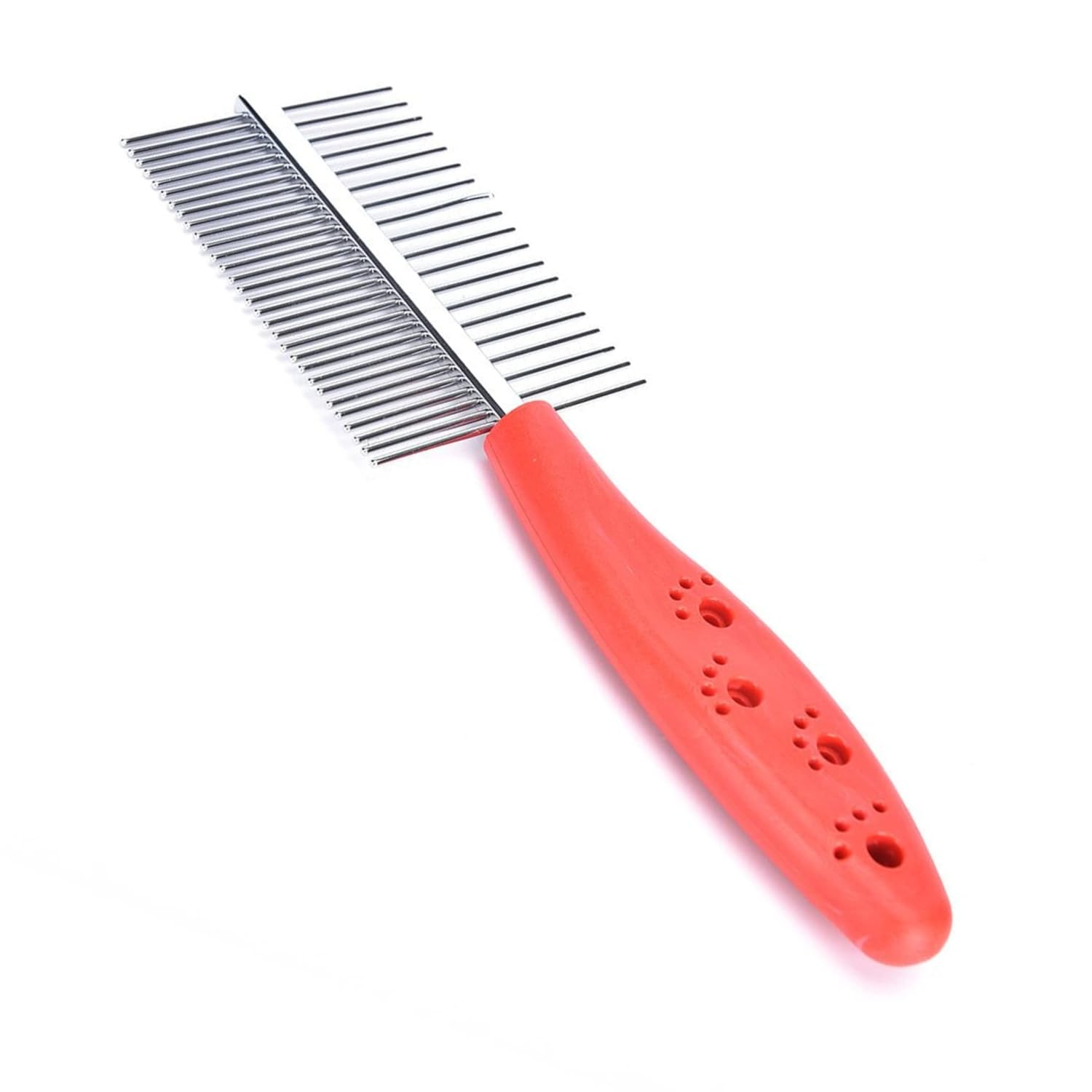
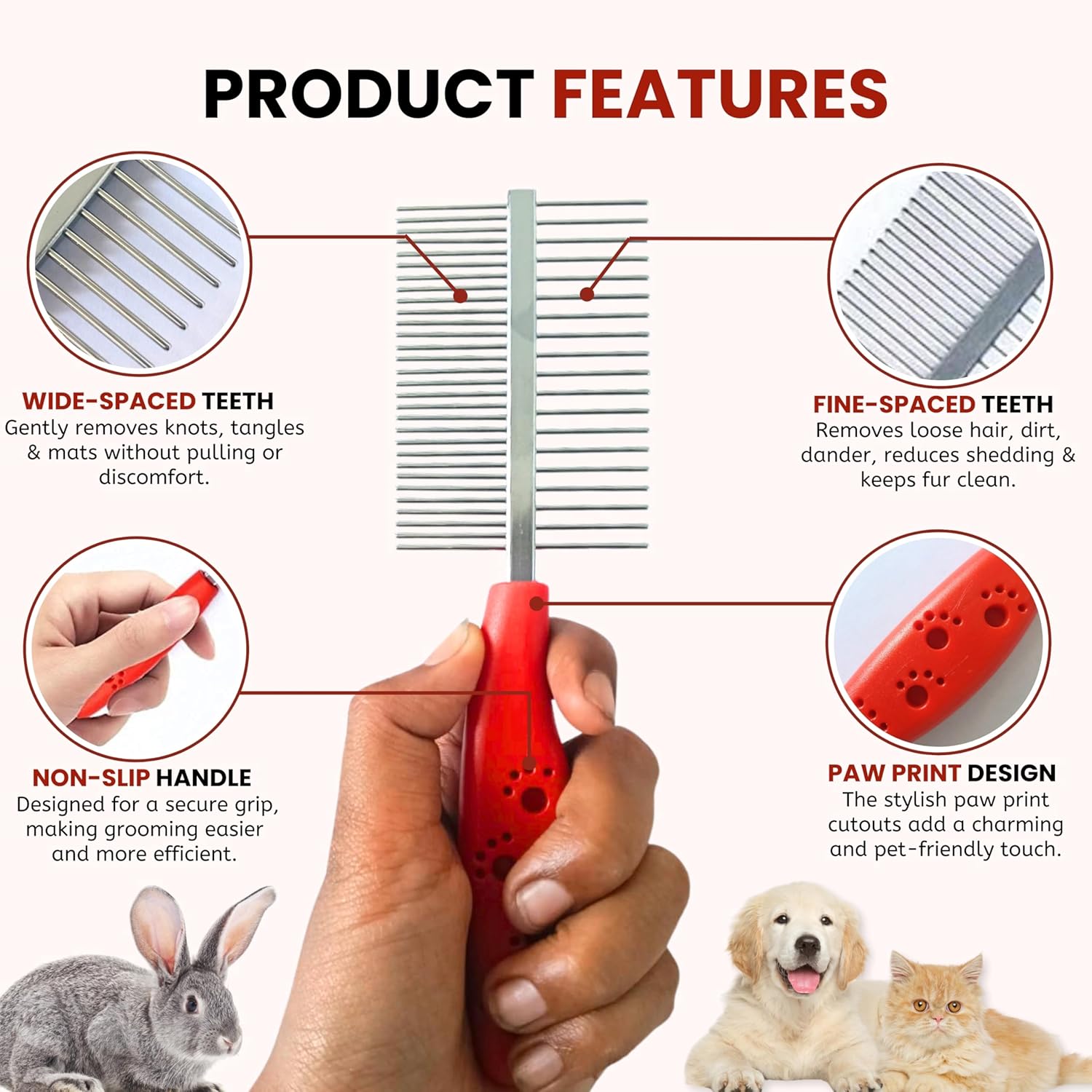
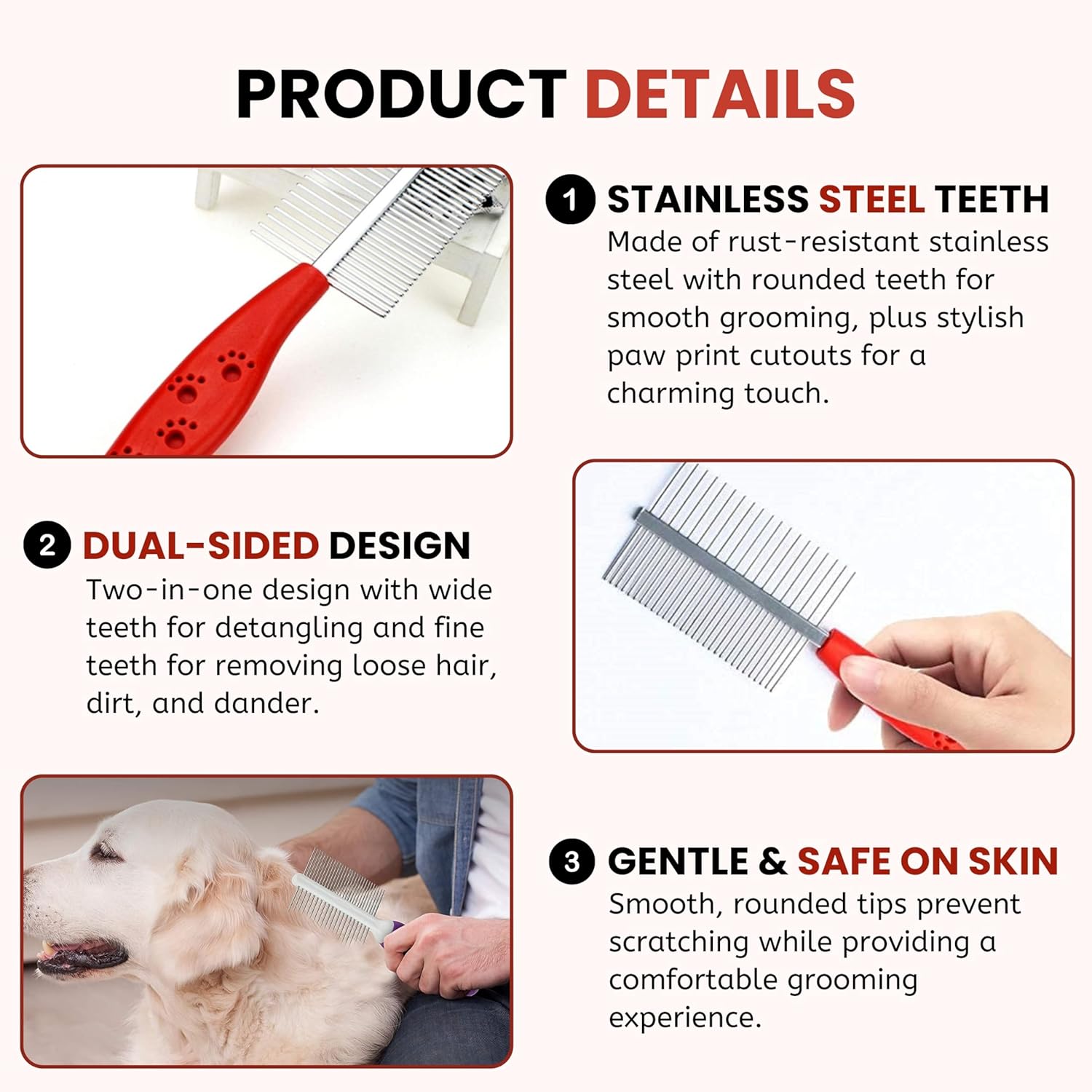
Dual-Sided Brushes: Offer versatility—one side with pins, the other with bristles.
Choosing the right type depends on your pet’s coat, size, and grooming needs.
Choosing the Right Grooming Brush for Dogs
To find the ideal grooming brush for dogs, consider the following:
-
Coat Type: Short-haired, long-haired, curly, or double-coated breeds need different brush styles.
-
Dog Size: Smaller brushes suit small breeds, while larger brushes cover more surface area for big dogs.
-
Comfort: Look for ergonomic handles that prevent wrist strain during long grooming sessions.
-
Safety: Ensure the bristles are gentle and rounded to avoid scratching your pet’s skin.
-
Durability: High-quality brushes last longer and withstand regular use.
Grooming Brush for Dogs vs. Grooming Brush for Cats
While many brushes are marketed for both dogs and cats, their needs differ slightly. Cats typically have softer coats, so they require gentler brushes. A grooming brush for dogs is often sturdier and better for thicker coats. However, many dual-purpose brushes are designed to work effectively for both species, making them a convenient option for multi-pet households.
Grooming Frequency
How often you should use a grooming brush for dogs depends on the breed:
-
Short-haired dogs (Boxers, Beagles): Once or twice a week.
-
Medium-haired dogs (Cocker Spaniels, Border Collies): 2–3 times per week.
-
Long-haired dogs (Golden Retrievers, Shih Tzus): Daily brushing is best to prevent tangles.
-
Cats: Once or twice weekly for short-haired cats; several times a week for long-haired breeds like Persians.
Consistency is key to maintaining coat health and reducing shedding.
Step-by-Step Guide to Grooming with a Brush
-
Choose the Right Brush: Select the most suitable grooming brush for dogs based on coat type.
-
Prepare Your Pet: Make sure your pet is calm; brushing works best when they’re relaxed.
-
Brush in Sections: Start from the head and move toward the tail in gentle strokes.
-
Check for Mats: Use a slicker brush to gently work through tangles without pulling.
-
Be Gentle: Avoid pressing too hard; the goal is to remove loose hair, not scratch the skin.
-
Reward Your Pet: End each grooming session with a treat or praise to reinforce positive behavior.
Grooming Brush for Dogs: Top Features to Look For
When purchasing a grooming tool, here are key features that make a difference:
-
Self-Cleaning Mechanism: Some brushes allow hair removal with a single button press.
-
Anti-Slip Grip: Provides better control during brushing sessions.
-
Rounded Bristles: Prevents skin irritation.
-
Portable Size: Easy to carry when traveling with your pet.
-
Durable Build: Strong bristles that withstand regular use.
These features make a grooming brush for dogs more convenient and efficient.
Grooming Challenges and How to Overcome Them
Some pets resist grooming, making it hard for owners. If your dog dislikes the brush:
-
Start with short sessions and gradually increase time.
-
Use a softer grooming brush for dogs at first.
-
Pair brushing with treats or playtime.
-
Stay calm and patient; forcing it may create fear.
With persistence, most dogs learn to enjoy grooming as a relaxing routine.
Grooming Brush for Dogs and Seasonal Shedding
Dogs often shed heavily during spring and fall. Using a grooming brush for dogs during these periods is crucial to manage loose fur. Daily brushing prevents hair buildup around the house and keeps coats manageable. Regular brushing also reduces the risk of skin infections during seasonal changes.
FAQs About Grooming Brushes
Q1: Can I use a grooming brush for dogs on cats?
A: Yes, many brushes are designed for both, but choose softer bristles for cats.
Q2: How do I clean my grooming brush?
A: Most brushes can be cleaned by removing trapped hair and washing with mild soap and warm water.
Q3: How long should grooming sessions last?
A: 10–15 minutes is ideal, depending on coat length and pet comfort.
Q4: Can brushing replace bathing?
A: No, brushing complements baths but doesn’t replace them. Regular baths are still necessary.
Conclusion
A grooming brush for dogs is not just a tool—it’s an investment in your pet’s health and happiness. Regular brushing reduces shedding, prevents tangles, and promotes a glossy coat. With so many options available, choosing the right brush for your pet’s coat type and grooming needs ensures effective results.
By incorporating a simple grooming routine into your pet’s life, you can keep them looking beautiful, feeling comfortable, and staying healthier for years to come.
Extended Guide: Grooming Brush for Dogs and Cats
The Science Behind Grooming
When you use a grooming brush for dogs, you’re not only cleaning their fur—you’re also improving skin and coat health at a cellular level. Brushing stimulates sebaceous glands in the skin, which produce natural oils. These oils coat each hair strand, keeping it strong, flexible, and shiny. Without brushing, oils build up unevenly, leaving some areas greasy while others turn dry and brittle.
Veterinary dermatologists confirm that regular brushing also reduces allergens in the home. For families sensitive to pet dander, a grooming brush for dogs can reduce airborne particles and make the environment healthier for everyone.
Grooming Brush for Dogs: For Different Coat Types
Not all coats are the same, and neither are grooming tools.
-
Short Coat (Beagles, Dobermans, Pugs): A soft-bristle grooming brush for dogs removes loose fur while keeping skin smooth.
-
Double Coat (Huskies, German Shepherds): Requires a deshedding tool or undercoat rake to manage seasonal shedding.
-
Curly Coat (Poodles, Bichon Frises): Pin brushes and slickers help keep curls neat and tangle-free.
-
Long Coat (Shih Tzus, Afghan Hounds): Regular use of a detangling slicker prevents painful mats.
-
Wire Coat (Terriers): Use a combination of slicker and bristle brushes for proper coat maintenance.
Matching the brush to the coat type maximizes results and reduces discomfort for your pet.
Grooming Brush for Dogs and Cats: Multi-Pet Homes
Households with both dogs and cats often look for one solution. The good news is many modern brushes are dual-purpose. A grooming brush for dogs with soft tips can easily double as a cat brush. For cats, choose brushes that are lighter and gentler to avoid overstimulation. For dogs, durability is key. Having one high-quality tool for both pets saves space and money while keeping everyone looking great.
Grooming and Emotional Bonding
Grooming isn’t just about fur—it’s about feelings. Using a grooming brush for dogs regularly strengthens your emotional connection with your pet. Many dogs view brushing as a form of affection, similar to petting. Studies show that pets brushed consistently show reduced anxiety and stronger trust in their owners.
This bond-building element makes the grooming session much more valuable than simple coat maintenance.
Grooming Brush for Dogs and Health Detection
Brushing your dog is also a chance to detect health problems early. While running a grooming brush for dogs through the coat, you may discover:
-
Fleas or ticks hidden under fur
-
Skin irritations or hot spots
-
Small cuts or scratches
-
Lumps or bumps that may require veterinary attention
This early detection can save both money and stress by catching issues before they become serious.
Seasonal Grooming Tips
-
Spring: Heavy shedding—use a deshedding tool along with a slicker brush.
-
Summer: Short, frequent brushing prevents overheating and removes dirt.
-
Autumn: Another heavy shed period; daily brushing with a grooming brush for dogs is best.
-
Winter: Focus on detangling and keeping coats clean, especially for long-haired dogs.
Travel and Grooming Essentials
When traveling with your pet, packing a portable grooming brush for dogs is a must. Road trips or vacations often lead to exposure to dust, sand, or pollen. A quick brushing session keeps your dog comfortable and prevents matting. Compact, foldable brushes are perfect for travel kits.
Grooming Brush for Dogs: Common Mistakes Owners Make
-
Using the wrong type of brush for the coat
-
Skipping regular brushing sessions
-
Brushing too aggressively and causing discomfort
-
Neglecting sensitive areas like behind the ears and under the legs
-
Not cleaning the grooming brush for dogs regularly
Correcting these mistakes ensures smoother, more effective grooming sessions.
Grooming Hacks for Busy Owners
-
Keep a grooming brush for dogs in your living room—quick brushing during TV time works wonders.
-
Use grooming gloves for restless pets who dislike traditional brushes.
-
Brush before baths to remove tangles; wet fur is harder to manage.
-
For dogs who shed a lot, set up a “grooming corner” with towels and trash bags.
Grooming Brush for Dogs: Popular Brands
Several brands stand out in the pet industry for quality grooming tools:
-
Furminator: Known for powerful deshedding tools.
-
Hertzko: Offers self-cleaning slicker brushes.
-
Pet Neat: Affordable, durable deshedding brushes.
-
DakPets: Strong bristles designed for double coats.
-
JW Pet GripSoft: Ergonomic brushes for comfort.
Each brand offers unique features, but the key is selecting the right model for your pet’s coat.
Grooming and Senior Dogs
Older dogs have thinner skin and may be sensitive to brushing. A gentle grooming brush for dogs with soft bristles ensures comfort. Grooming senior pets regularly helps maintain circulation and keeps them feeling relaxed, especially if mobility issues prevent natural self-cleaning.
Conclusion
A grooming brush for dogs is more than a tool—it’s a necessity for maintaining coat health, reducing shedding, and building a stronger bond with your pet. From short-haired to long-haired breeds, the right brush transforms grooming into a positive experience.
By investing in a high-quality grooming brush, setting a consistent schedule, and using the proper techniques, you’re not just keeping your pet beautiful—you’re ensuring their long-term comfort, hygiene, and happiness.
Complete Guide to Grooming Brush for Dogs and Cats
Breed-Specific Grooming with the Right Brush
Each breed has unique grooming requirements, and choosing the right grooming brush for dogs makes all the difference:
-
Golden Retrievers & Huskies (Double Coats): Heavy shedders benefit from deshedding tools plus slicker brushes.
-
Poodles & Doodles (Curly Coats): Pin brushes help manage curls, while slickers handle mats.
-
Shih Tzus & Maltese (Long Silky Coats): Daily brushing with a soft slicker prevents painful tangles.
-
Beagles & Boxers (Short Coats): Bristle brushes maintain shine and reduce light shedding.
-
Terriers (Wire Coats): Combination of slickers and stripping combs keeps their coats healthy.
Matching the brush to the breed reduces discomfort, saves time, and improves coat quality.
The Role of Grooming in Overall Health
Using a grooming brush for dogs isn’t just about the coat—it benefits the entire body:
-
Skin Health: Regular brushing prevents dry patches and dandruff.
-
Joint Comfort: For senior dogs, gentle brushing provides massage-like relief.
-
Immune Support: Removing dirt, allergens, and parasites supports stronger immunity.
-
Behavioral Balance: Groomed dogs are calmer and less prone to stress-related behaviors.
Grooming for Puppies vs. Adults
-
Puppies: Use soft-bristle brushes to introduce grooming early. Short, positive sessions prevent fear later.
-
Adults: Choose coat-specific brushes and maintain regular schedules.
-
Transition Tip: Start with gloves or soft brushes before moving to slickers or deshedding tools.
Introducing a grooming brush for dogs during puppyhood ensures lifelong comfort with grooming.
Environmental Benefits of Grooming
Shedding pets can leave hair everywhere—on furniture, clothes, and even air filters. A consistent routine with a grooming brush for dogs significantly reduces household allergens, improves indoor air quality, and makes cleaning easier. Pet-friendly homes that prioritize brushing are healthier for humans too, especially those with allergies.
Grooming Brush for Dogs: Advanced Features in Modern Tools
Today’s pet brushes come with smart innovations:
-
Self-Cleaning Buttons: Removes trapped hair instantly.
-
Adjustable Bristle Lengths: Adapt to different coat depths.
-
Ergonomic Rubberized Handles: Reduce hand fatigue.
-
Eco-Friendly Materials: Bamboo or recycled plastic handles.
-
2-in-1 Dual Brushes: Bristle on one side, pins on the other.
Investing in an advanced grooming brush for dogs makes grooming easier, faster, and more effective.
Grooming Challenges with Rescue or Anxious Pets
Rescue dogs or those with past trauma may resist grooming. Solutions include:
-
Starting with short sessions using the gentlest brush.
-
Pairing the grooming brush for dogs with treats or calm music.
-
Gradually building trust by brushing during relaxed moments.
-
Using grooming gloves before transitioning to regular brushes.
With patience, grooming becomes a healing and bonding ritual.
Grooming Mistakes That Hurt Your Pet
-
Using human brushes instead of a grooming brush for dogs.
-
Brushing against the coat’s natural direction.
-
Skipping sensitive areas (behind ears, armpits, tail base).
-
Ignoring regular cleaning of the brush itself.
-
Brushing only when the coat looks messy, instead of routinely.
Avoiding these mistakes ensures grooming is safe, comfortable, and effective.
Grooming Brush for Dogs: Cost vs. Value
Some owners hesitate to invest in premium tools. But a high-quality grooming brush for dogs:
-
Lasts years without breaking.
-
Prevents expensive vet visits caused by skin infections.
-
Saves money on professional groomers by enabling at-home care.
In reality, one reliable brush is far more affordable in the long run than frequent grooming bills.
Grooming as Therapy
Beyond coat care, brushing provides therapeutic benefits:
-
Anxiety Reduction: The repetitive strokes of a grooming brush for dogs mimic calming touch.
-
Pain Relief: Gentle brushing improves blood flow and eases stiffness.
-
Owner Relaxation: Many pet parents find grooming relaxing and meditative.
This makes brushing mutually beneficial for both pet and owner.
Future of Grooming Tools
Technology is advancing rapidly in the pet industry. The next generation of grooming brush for dogs may include:
-
Smart Sensors: Detecting skin issues early.
-
Self-Sterilizing Bristles: Eliminating bacteria after each use.
-
Pet-Safe Heating Brushes: Providing warmth and comfort during grooming.
-
AI-Integrated Apps: Tracking grooming frequency and health alerts.
The future promises brushes that combine grooming with advanced wellness monitoring.
Final Thoughts
The grooming brush for dogs is more than just a tool—it’s a gateway to better health, stronger bonds, and a happier household. Whether you have a short-haired pup, a long-haired beauty, or a multi-pet home, the right brush makes all the difference.
By investing in quality tools, brushing consistently, and tailoring routines to your pet’s needs, you ensure your furry companions look great, feel comfortable, and live healthier lives.








Reviews
There are no reviews yet.